.svg)
How to Get a Building Permit in Ottawa
Planning a renovation, addition, or new build in Ottawa? You'll almost certainly need a building permit. The City of Ottawa enforces permit requirements to ensure all construction projects meet safety, zoning, and building code standards. Understanding the permit process can save you time, prevent costly mistakes, and ensure your project is fully compliant from start to finish.
This guide provides a complete, step-by-step walkthrough of how to get a building permit in Ottawa, including what you'll need, how long it takes, and how much it costs.
When You Need a Building Permit in Ottawa
In Ottawa, you need a building permit for any project that alters the structure or systems of a building. This includes, but is not limited to:
- New residential construction — see our guide on whether you need a permit to build a house in Ottawa
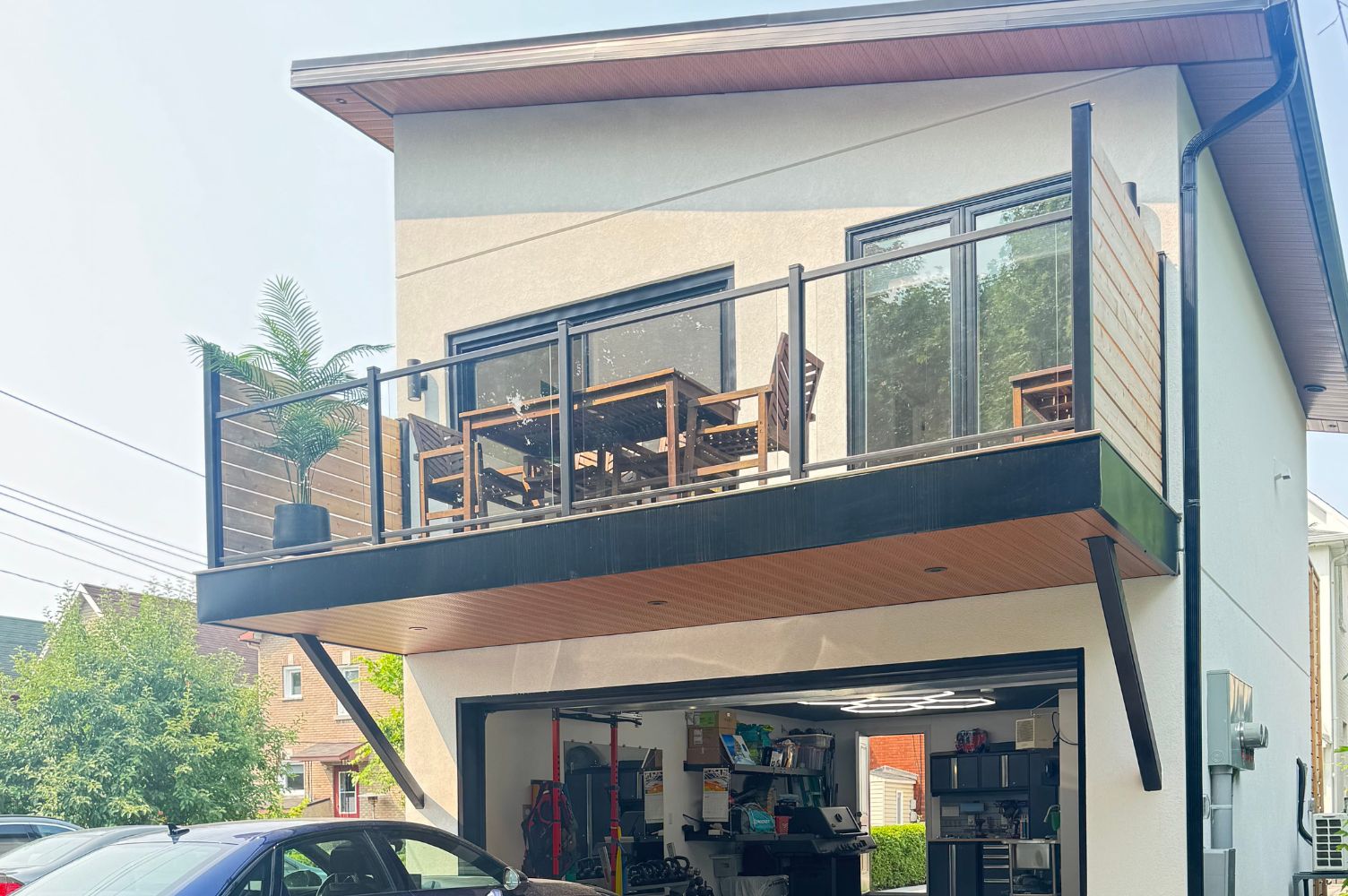
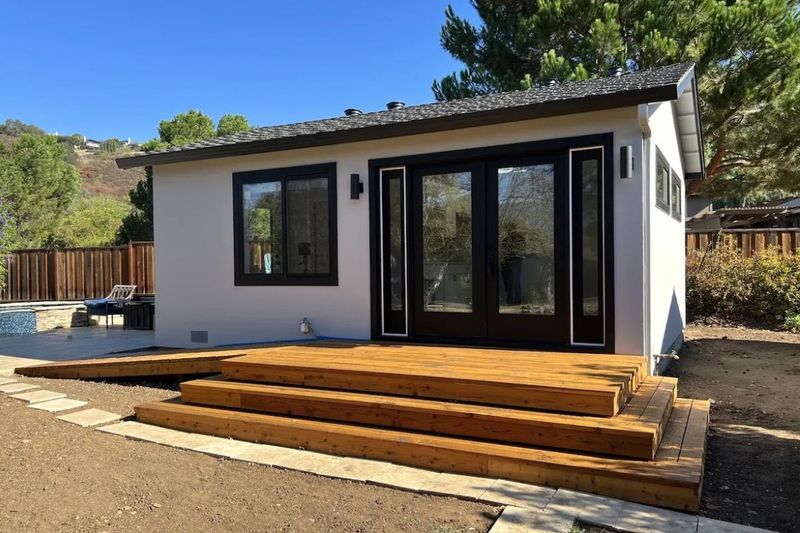
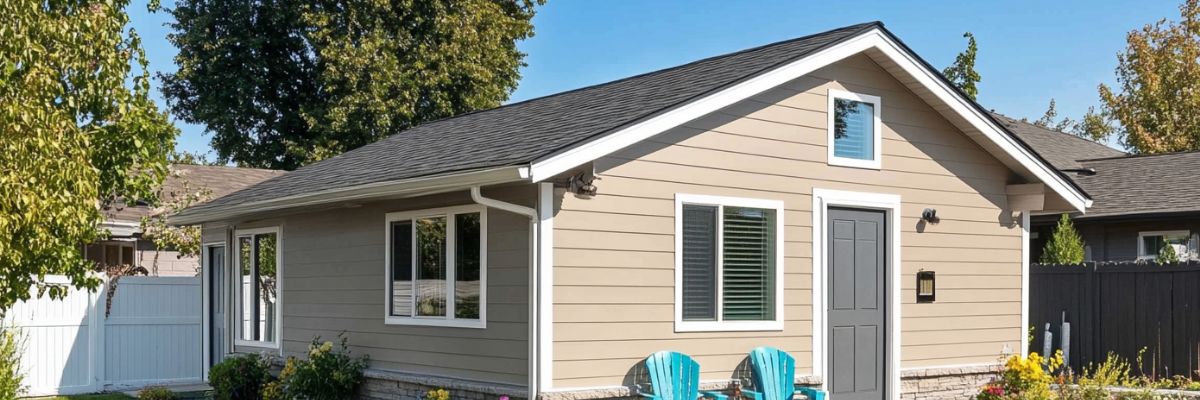
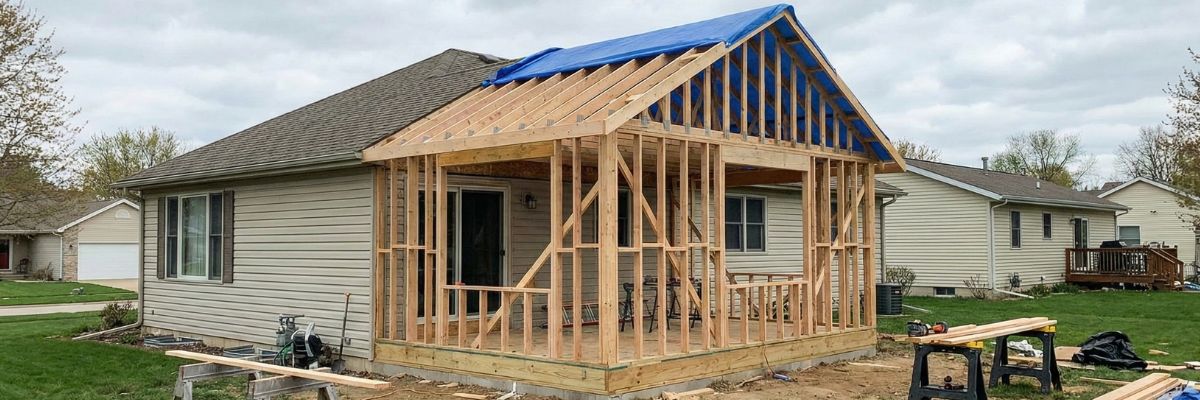
- Home additions of any type — home addition permits, garage addition permits, second-story addition permits, and sunroom addition permits
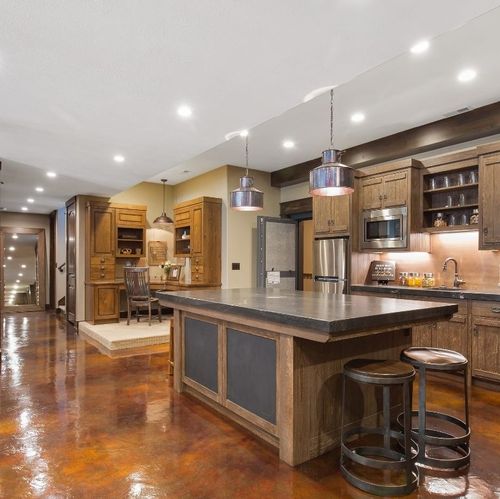
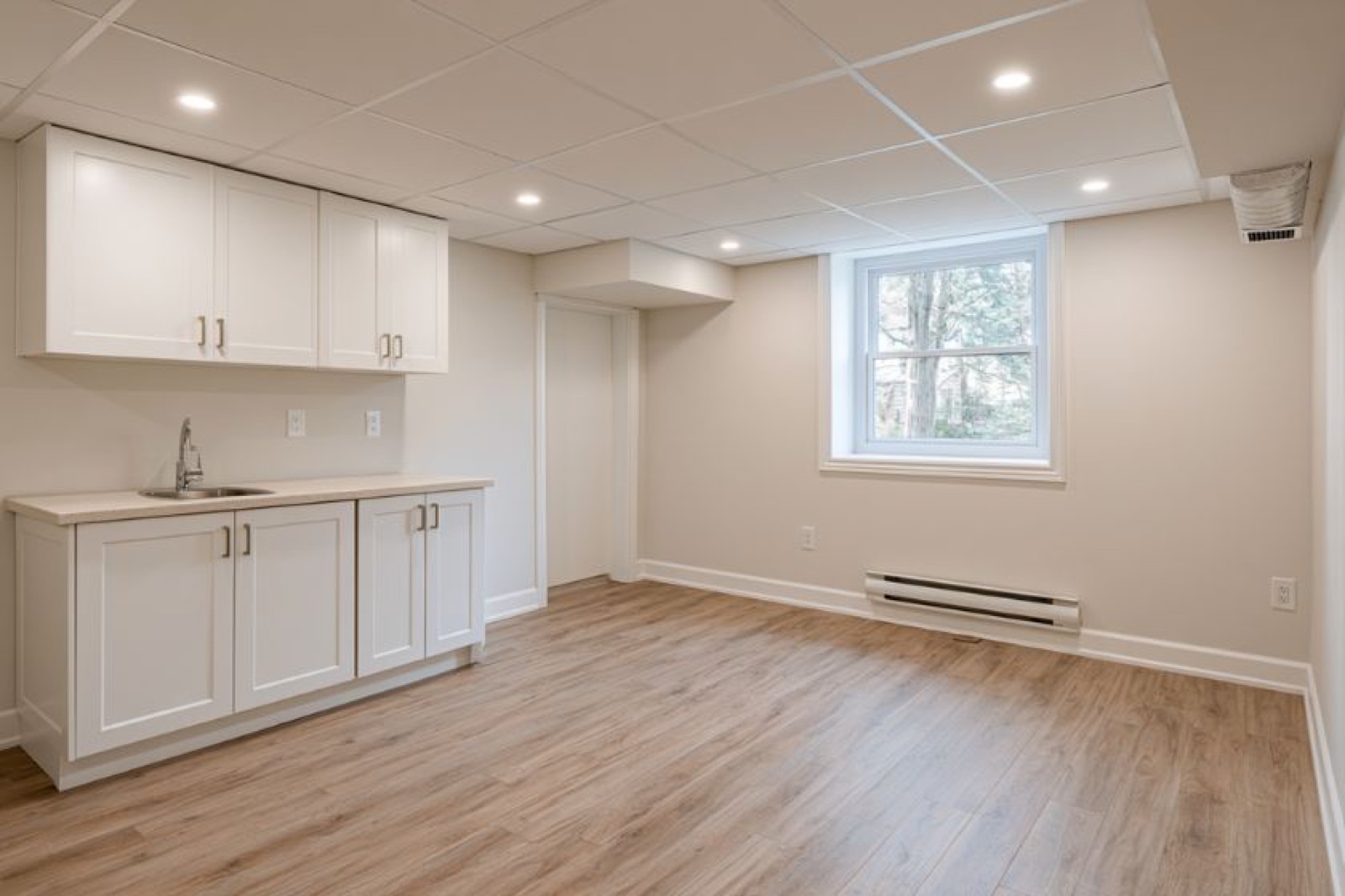
- Basement renovations involving structural, plumbing, or electrical changes — see basement renovation permit requirements
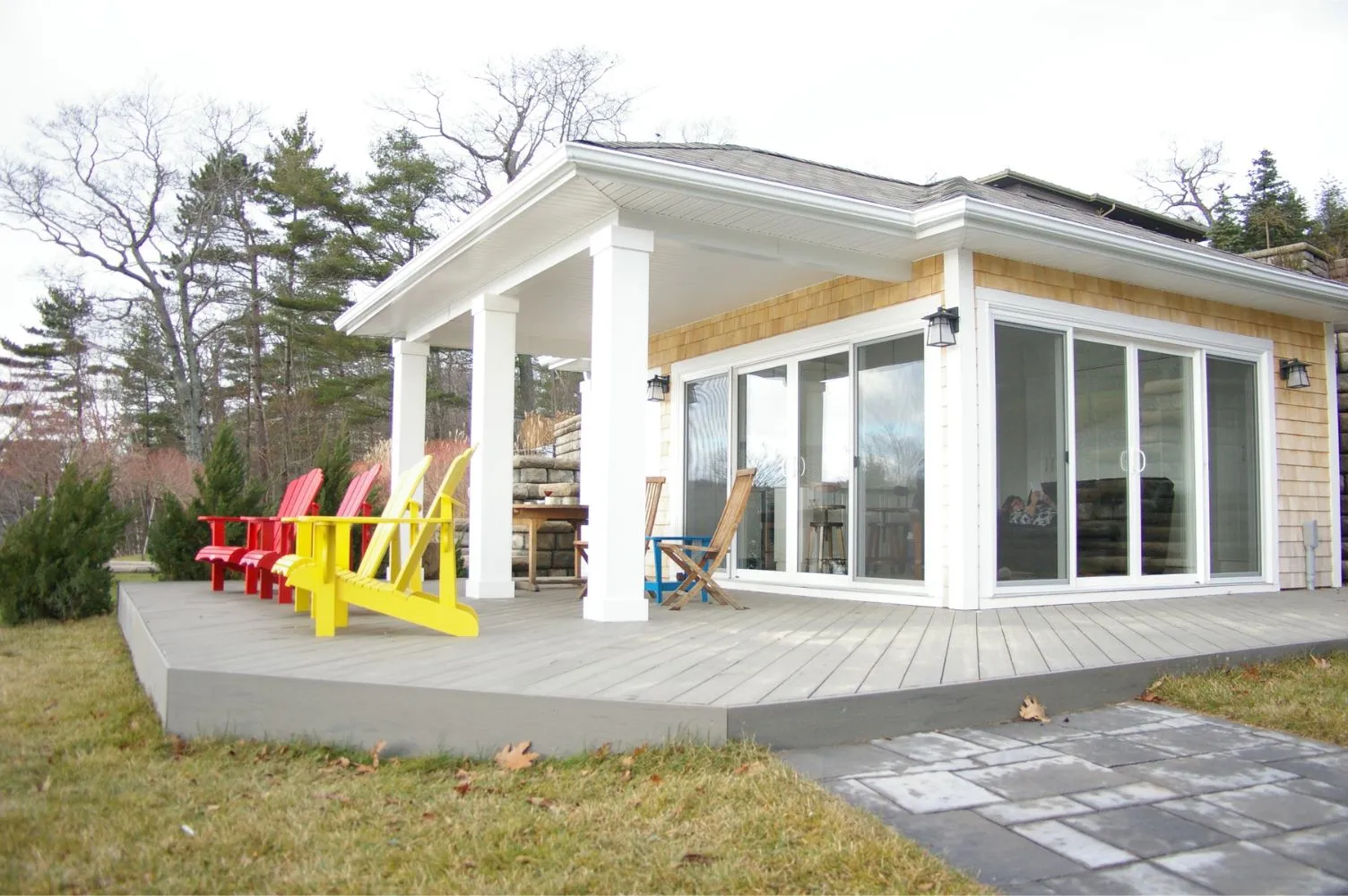
- Deck construction — see whether a deck permit is required in Ottawa
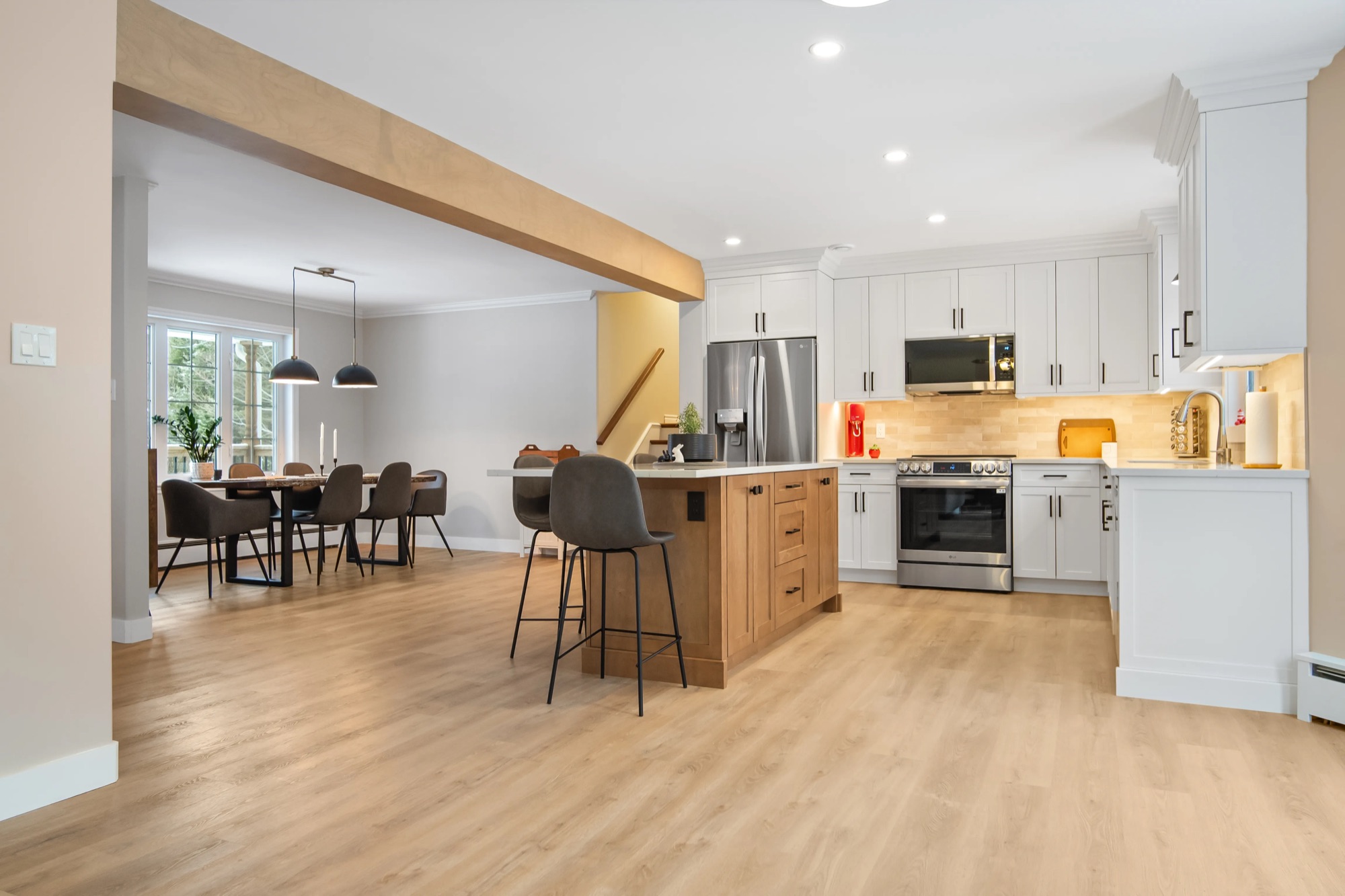
- Kitchen renovations that involve plumbing or structural changes — see kitchen renovation permit requirements
- Bathroom renovations involving plumbing or structural changes — see bathroom renovation permit requirements
- Attic finishing — see attic finishing permit requirements
- Structural changes such as removing load-bearing walls — see structural change permit requirements
When You Don't Need a Building Permit
Not every project requires a permit. In Ottawa, you typically do not need a permit for:
- Painting, wallpapering, or other cosmetic interior work
- Replacing existing flooring (no structural changes)
- Replacing kitchen or bathroom fixtures in the same location without moving plumbing
- Minor repairs that do not affect structural elements or mechanical systems
- Small sheds or accessory structures under 10 square metres (108 sq ft)
- Fences (though zoning by-laws may still apply)
When in doubt, contact the City of Ottawa's Building Code Services at 613-580-2424 or check the City of Ottawa permit checker.
Step-by-Step: How to Get a Building Permit in Ottawa
Step 1: Confirm Whether a Permit Is Required
Before doing anything else, determine whether your specific project triggers a permit requirement. Starting construction without a required permit can result in stop-work orders, fines, and the requirement to demolish work already completed.
Step 2: Prepare Your Application Documents
The documents required depend on the scope of your project. For most residential projects, you'll need:
- Completed application form — available on the City of Ottawa website
- Site plan — showing property boundaries, existing structures, and proposed addition or change
- Architectural drawings — floor plans, elevations, and cross-sections prepared by a licensed designer or architect
- Structural drawings — required for projects involving structural changes or new construction, prepared by a licensed engineer
- Energy compliance documentation — required for new homes and major additions (OBC Part 12)
- HVAC and mechanical plans — required for new construction and additions with mechanical systems
Step 3: Submit Your Application
Ottawa's building permit applications are submitted through the City of Ottawa's online eServices portal. Ensure all documents are complete before submitting — incomplete applications are returned and cause delays.
Step 4: Pay the Permit Fee
Permit fees in Ottawa are calculated based on the estimated construction value of the project:
- Residential additions: $12–$20 per $1,000 of construction value (minimum fees apply)
- New homes: $5,000–$20,000+ depending on size and value
- Basement renovations: $500–$3,000 for most residential projects
- Decks: $300–$1,500 for most residential projects
Step 5: Wait for Review and Approval
Target review timelines vary by project type:
- Simple residential projects (decks, minor renovations): 5–15 business days
- Home additions: 15–30 business days
- New custom homes: 30–60 business days
Complex projects, incomplete applications, or high application volumes can extend these timelines. The City may issue Requests for Information (RFIs) requiring revised document submissions.
Step 6: Receive Your Permit and Begin Construction
Once approved, you'll receive your building permit. The permit must be posted visibly on site during construction. Do not begin any permitted work before the permit is issued.
Step 7: Schedule Inspections
Building permits include mandatory inspections at key stages of construction:
- Excavation/footings: Before concrete is poured
- Framing/structural: Before insulation and drywall are installed
- Rough-in mechanical: Plumbing, electrical, and HVAC before walls are closed
- Insulation: Before drywall
- Final inspection: Upon project completion
Inspections must be booked in advance through the City's online system or by phone. Missing a required inspection can result in stop-work orders.
Step 8: Obtain Your Final Occupancy Certificate
For new homes and major additions, a final occupancy certificate is issued after the final inspection. This document confirms the project was built to code and is required before the space can be legally occupied.
What Happens If You Build Without a Permit in Ottawa?
- Stop-work orders: The City can halt construction immediately
- Fines: Up to $50,000 for individuals under the Ontario Building Code Act
- Retroactive permits: You may be required to open walls to allow inspections
- Insurance issues: Unpermitted work can void your home insurance coverage
- Resale complications: Unpermitted work must be disclosed to buyers and can affect financing and sale
Tips to Speed Up Your Permit Application
- Hire a designer or architect familiar with Ottawa's requirements. Drawings that meet City standards on the first submission avoid RFI delays.
- Submit a complete application. Missing any required document results in an automatic return and restart of the review clock.
- Work with an experienced general contractor. See the top general contractors in Ottawa for 2026.
- Understand your zoning before designing. Learn about Ottawa's new zoning by-laws and how to check your zoning classification.
How Ottawa General Contractors Can Help
At Ottawa General Contractors, we manage the permit process on behalf of our clients — from preparing drawings to scheduling inspections. Contact us today to discuss your project. Whether you're planning a home addition, a basement renovation, or building a new home, we'll ensure your permits are in order from day one.
Planning a home addition in Ottawa? OGC builds custom home additions — second storeys, in-law suites, garages, sunrooms, and more. Get a free quote.

.jpeg)