.svg)
How to Build a Legal Duplex in Ottawa
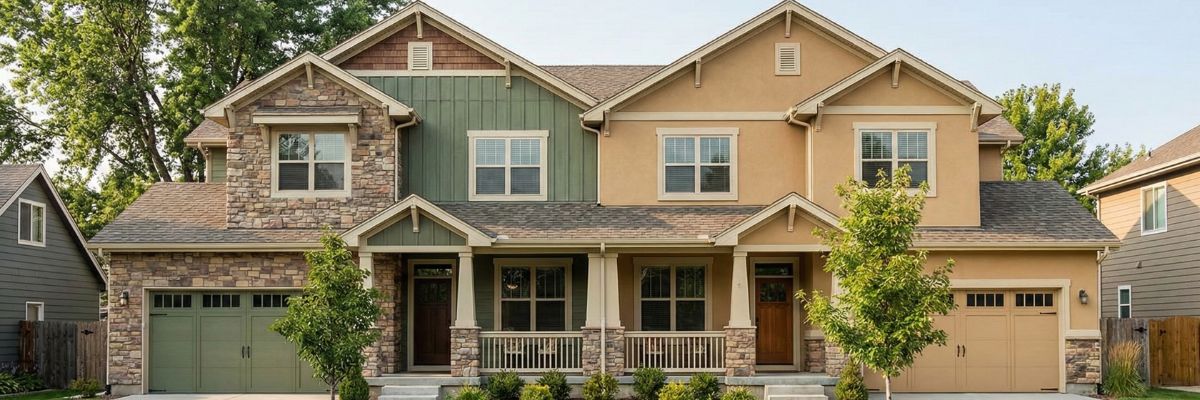
Turning a single-family home into a duplex - or building a new duplex from scratch - has become much more straightforward in Ottawa under the city’s new zoning framework. Up to four units are now permitted “as of right” on most serviced residential lots, which opens the door to small-scale intensification without lengthy rezonings.
Here’s a step-by-step overview of how to navigate the process, from understanding the new rules to budgeting your project.
1. Understand What’s Allowed Under Ottawa’s New Zoning Framework
Ottawa has shifted from traditional residential zones (R1–R5) toward a new “Neighbourhood Zone” system (N1–N6). The biggest practical change for small landlords and homeowners is that up to four dwelling units are now generally allowed “as of right” on serviced residential lots, as long as you respect the form and density standards.
In plain language, that means:
- Duplexes are usually permitted without a rezoning.
You no longer have to change the land use designation just to add a second unit, provided you’re within the rules for your specific zone. - The focus has shifted from housing type to building form.
Instead of zoning that says “only single-detached houses here,” Neighbourhood Zones (N1–N6) regulate things like:- Maximum building height
- Setbacks from property lines
- Lot coverage (how much of the lot the building footprint can cover)
- Massing and built form (how big the building can appear)
A duplex, in this model, is simply one of several acceptable configurations inside that allowed building “envelope.”
If your proposed duplex fits within the height, setbacks, and coverage limits for your Neighbourhood Zone, it’s usually permissible “as of right,” without a rezoning.
2. Site and Feasibility Check
Before sketching layouts or calling a contractor, you need to confirm whether your lot can practically support a duplex.
Check Your Zone and Overlays
Start by confirming:
- Your exact Neighbourhood Zone (N1–N6)
- Any overlays or special designations, such as:
- Heritage conservation district
- Floodplain
- Arterial mainstreet or other corridor policies
- Special design control areas
These overlays can introduce additional constraints, such as stricter design guidelines, height caps, or coverage limits. In a heritage area, for example, the exterior design may be more heavily regulated.
Review Basic Site Constraints
Next, look at the physical realities of your property:
- Lot width and depth – Are they sufficient for the kind of duplex you have in mind (side-by-side vs. up/down)?
- Existing building location – How close is your current house to the front, sides, and rear property lines?
- Services and access – Where are the water, sewer, and electrical connections? Is there room for a compliant driveway or walkway?
- Trees and amenity space – New rules pay close attention to tree protection, permeable surfaces, and usable outdoor space.
The updated zoning by-law ties unit count and building form to compatibility standards, so you’re not just counting units—you’re ensuring the building fits its context in terms of height, setbacks, and outdoor space.
3. Choose Your Duplex Strategy
Once you know your lot can support more units, you need to pick an approach. In Ottawa, most small projects follow one of three paths.
3.1 Convert the Existing House to a Duplex
This is often the lowest-cost and quickest option if your current structure and layout are cooperative.
Common approach:
- Add a self-contained second unit within the existing building envelope:
- Basement apartment
- Second-floor unit
- Main-floor plus basement suite with upper unit, etc.
You’ll need to:
- Upgrade fire separations between units
- Provide safe egress routes (exits and escape windows)
- Update HVAC, electrical, and plumbing to handle two legal units
- Install interconnected smoke and CO alarms
Even though you’re “just” converting, the Ontario Building Code applies fully to multi-unit dwellings, so this is often more involved than a simple renovation.
3.2 Major Addition + Conversion
If the existing house is too small or awkward, a hybrid path can work well: add floor area and convert to a duplex at the same time.
Typical patterns:
- Rear or side addition that creates a full second unit
- Adding a second or third storey (within the low-rise permissions, often up to 3 storeys / 11 m) and arranging an up/down or stacked duplex
This approach:
- Feels more like a small infill project than a quick renovation
- Often approaches new-build costs
- Can produce much better layouts and more rentable square footage
3.3 Purpose-Built New Duplex
When the existing house is in poor shape, poorly located on the lot, or simply uneconomic to retrofit, a clean slate can be attractive:
- Demolish the existing dwelling
- Build a new purpose-built duplex that:
- Fits neatly within your Neighbourhood Zone height and setback limits
- Takes advantage of relaxed parking minimums under the new framework
- Can be designed efficiently for two (or more) units from day one
This strategy can optimize long-term performance and value, even if it requires more upfront capital.
4. Design and Code Compliance
Whatever path you choose, your project must satisfy both zoning rules (planning) and the Ontario Building Code (life safety and construction).
4.1 Zoning and Building Form
Your design will need to respect:
- Maximum height – Often up to 3 storeys / 11 m for low-rise, depending on zone
- Setbacks – Minimum distances from front, side, and rear property lines
- Lot coverage – Percentage of the lot that can be covered by buildings
- Angular planes and transition rules – How your building steps back from neighbours, especially near lower-scale properties
You’ll also need to:
- Provide the required amenity area (private or shared outdoor space)
- Comply with tree-protection measures
- Respect stormwater and hardscape rules, including limits on oversized decks, patios, or driveways
Form-based rules are designed to ensure that even with more units, the building still “fits” the neighbourhood in scale and feel.
4.2 Ontario Building Code and Life Safety
From a Building Code perspective, a duplex is not just a bigger single-family house. You must:
- Install fire-rated separations between units (walls, floors, and penetrations)
- Provide proper exits and egress – each unit needs a safe way out in an emergency
- Use interconnected smoke and CO alarms throughout
- Provide adequate sound insulation between units to meet code and livability expectations
- Design electrical, plumbing, and HVAC systems for two separate dwellings:
- Often separate electrical panels and metering
- Independent or properly zoned HVAC systems
- Confirmed water and sewer capacity
Working with an architect or designer experienced in duplex/multiplex work in Ottawa can significantly reduce headaches. They’ll design straight to the new “as-of-right four units” framework, ensuring your duplex can potentially evolve into more units in the future if you wish.
5. Approvals and Permits
With zoning and code in mind, you’ll then move through the approvals process.
5.1 Planning and Minor Variances (If Needed)
If your proposed duplex respects:
- The maximum unit count allowed as of right
- The height limits
- Required setbacks and lot coverage
…then you typically do not need a rezoning. That’s one of the key goals of the new by-law and the broader housing action plan: making small projects easier.
However, if your lot is quirky or your design needs modest relief—for example, a slightly reduced side setback—you may need to:
- Apply to the Committee of Adjustment for a minor variance
Even here, the city’s current direction is to reduce reliance on variances by making up to four units a normal, citywide expectation in residential areas.
5.2 Building Permit
For the building permit, you’ll generally submit:
- Sealed architectural drawings:
- Site plan
- Floor plans
- Elevations
- Building sections
- Structural details
- Energy and mechanical information
- Any required reports or studies, such as structural reviews or tree reports, depending on the site
Ottawa’s housing action plan for 2026 explicitly aims to cut red tape for small residential projects by:
- Reducing the number of required studies
- Standardizing legal agreements where needed
- Speeding up approval timelines
The idea is to make duplexes and small multiplexes faster and more predictable to permit, rather than treating every project like a large subdivision.
6. Costs and Project Budgeting (High Level)
Numbers will always depend on your specific design, finishes, and site conditions, but recent Ontario/Ottawa experience provides some useful ballparks.
6.1 New Purpose-Built Duplex
For a new, purpose-built duplex, construction costs often fall within the same broad band as custom low-rise housing:
- Roughly $300–$550 per sq ft, depending on:
- Level of finish
- Complexity of the design
- Site conditions
On a 2,000–2,400 sq ft duplex, that can translate approximately to:
- $600,000–$1.3 million in hard construction costs, plus:
- 15–25% for soft costs, including:
- Design and architectural fees
- Engineering
- Permits and municipal fees
- Carrying costs (interest, insurance, taxes during construction)
6.2 Conversion of an Existing Home
Converting an existing house to a duplex can be cheaper than starting from scratch - but it’s rarely “cheap.”
Even without large additions:
- Deep conversions often land in the low- to mid-six-figure range, because you’re:
- Upgrading structure where needed
- Completely redoing mechanical, electrical, and plumbing systems
- Adding fire separations and soundproofing
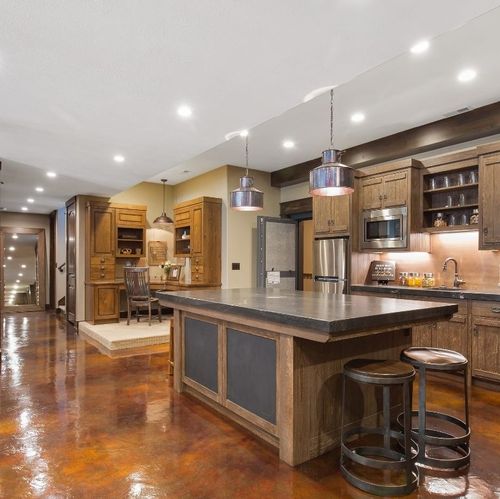
- Renovating kitchens, bathrooms, and common spaces to modern standards
6.3 Getting More Accurate Numbers
For precise budgeting, local builders and designers (like Ottawa General Contractors) who routinely work on duplex and multiplex projects under the new zoning framework are your best resource. We can tailor per-square-foot and all-in estimates once they understand:
- Existing house size and condition
- Intended layouts (side-by-side vs. up/down, basement usage, etc.)
- Whether you’re converting or building new
Contact us today to learn more!
Final Thoughts
Ottawa’s new zoning and housing policies are designed to make small-scale intensification—like duplexes—normal and attainable on residential lots across the city. If your project fits the Neighbourhood Zone’s height, massing, and amenity rules, you can typically:
- Avoid a full rezoning
- Focus on good design and code compliance
- Move more quickly through approvals than in the past
With a clear handle on what’s allowed, a realistic feasibility check, the right duplex strategy, and support from experienced professionals, turning your property into a compliant, income-producing duplex is more achievable than ever under the new framework.
.jpeg)
.jpg)