.svg)
Ottawa R1 Zoning Explained: What Can You Build?
If you've been searching for "Ottawa R1 zoning," there's a good chance you're looking at an older property listing, a heritage document, or a survey from before 2025. Here's what you need to know: Ottawa's R1 zoning designation no longer exists. It was replaced by the new Neighbourhood (N) zoning system when Ottawa's updated Zoning By-law came into effect.
This article explains what R1 used to mean, what replaced it, and what that means for what you can build on your property today.
What Was Ottawa R1 Zoning?
Under Ottawa's old Zoning By-law 2008-250, R1 stood for Residential First Density. It was the most restrictive residential zone, designed primarily for single-detached homes on larger lots.
R1 came in several subtypes, each with slightly different lot size minimums and setback rules:
- R1A – Very large lots (typically 18 m+ frontage), very low density
- R1B – Large lots (typically 15 m frontage)
- R1C – Standard lots (typically 12 m frontage)
- R1D – Smaller lots (typically 9 m frontage)
- R1E – Smallest R1 lots (typically 7.5 m frontage)
What Was Permitted in R1 Zones?
Under the old by-law, R1 zones typically permitted:
- Single-detached dwellings
- Home-based businesses (with restrictions)
- Secondary dwelling units (in some subtypes)
- Parks and community gardens
What was not permitted in most R1 zones: semi-detached homes, duplexes, triplexes, or apartment buildings. If you wanted to build more than one unit, you generally needed a different zone — or a zoning variance.
Ottawa R1 Zoning Is No Longer in Effect
In 2025, Ottawa adopted a sweeping new Zoning By-law as part of implementing the 2020 Official Plan. This by-law replaced all the old R-series residential zones (R1, R2, R3, R4, R5) with a new set of Neighbourhood (N) zones: N1, N2, N3, and N4.
If your property was zoned R1 under the old by-law, it has now been converted to one of the new N zones — most likely N1 or N2, depending on its location and characteristics.
What Replaced R1? The N1 Zone
For most properties that were formerly R1, the equivalent new zone is N1 (Neighbourhood First Density). But here's the significant change: the N1 zone is considerably more permissive than the old R1.
Under Ottawa's new Zoning By-law, even N1-zoned lots can have up to 4 residential units as-of-right in many cases — something that would have required a zoning amendment under the old R1 rules.
This shift reflects Ottawa's commitment to "missing middle" housing and the city's new Official Plan goal of increasing housing supply in established neighbourhoods.
Want to know exactly what you can build under N1? Read our full guide: Ottawa N1 Zoning Rules – What You Can Build.
How Do I Know What Zone My Property Is In Now?
If you're unsure whether your property has been converted from R1 to N1 (or another N zone), check GeoOttawa, the City of Ottawa's free online zoning map. Search your address and enable the Zoning layer to see your current designation.
We've also put together a step-by-step guide: How to Check Your New Zoning Classification in Ottawa.
What This Means for Ottawa Homeowners and Builders
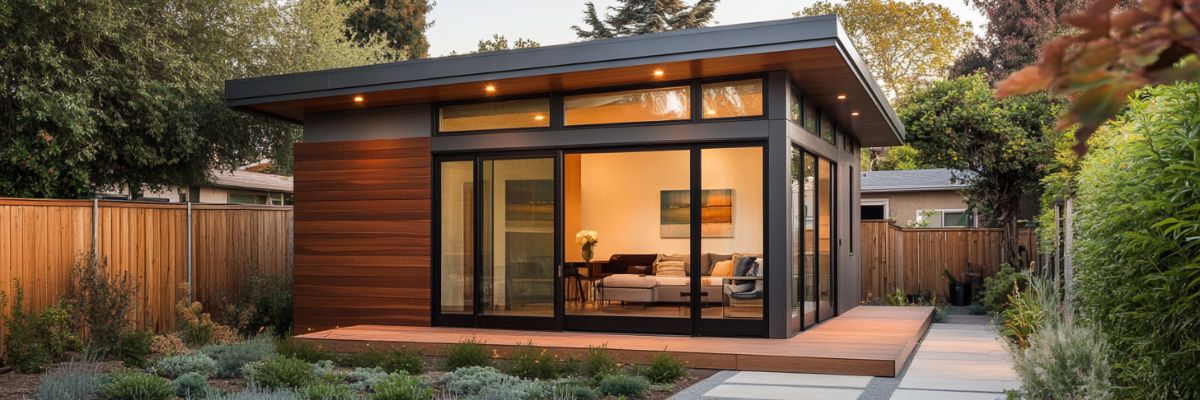
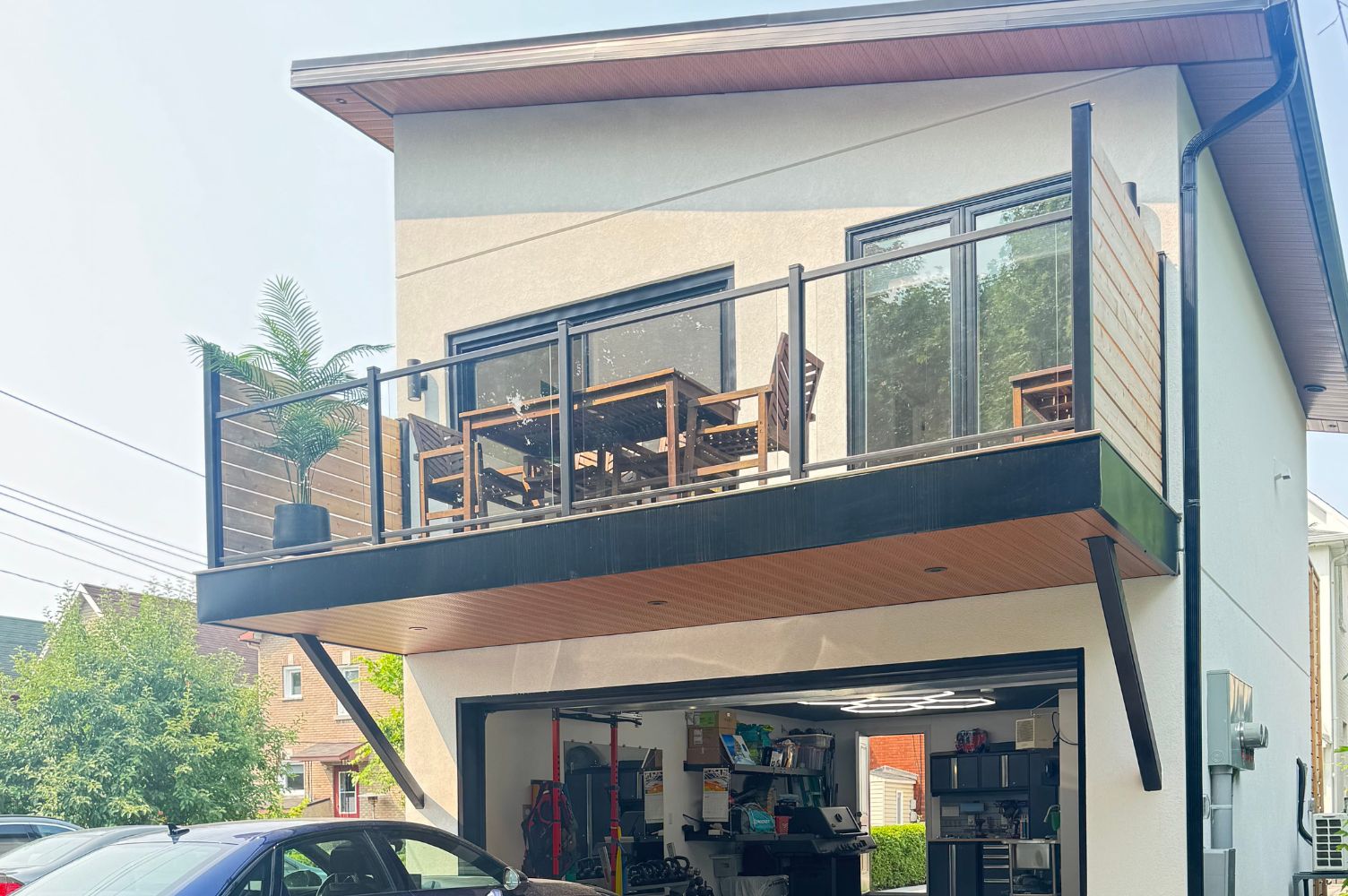
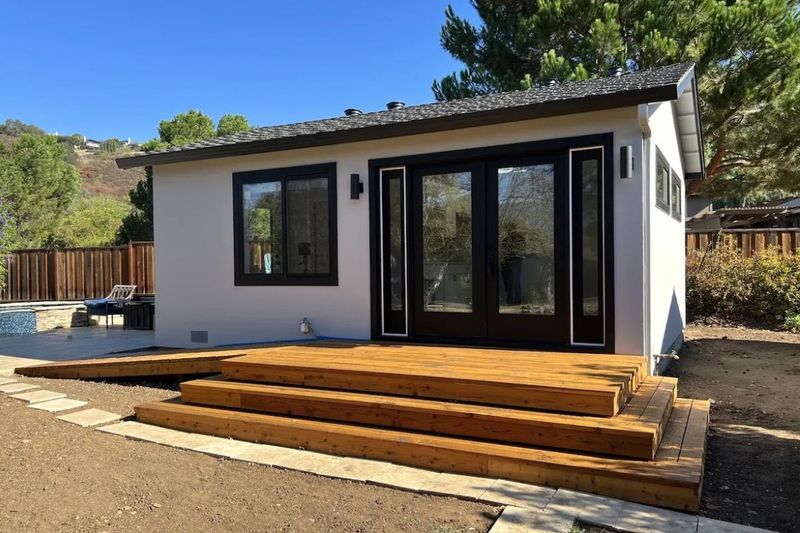
If your property was formerly R1, the transition to the N system may actually open up more options than you had before. Many Ottawa homeowners who thought they were limited to a single-detached home are now eligible to add secondary suites, garden suites, or even small multiplexes — depending on their specific N-zone designation and lot characteristics.
If you're planning a renovation, addition, or new build on a lot that was formerly R1, it's worth reviewing what your new zone permits before assuming the old rules apply.
Frequently Asked Questions About Ottawa R1 Zoning
Is Ottawa R1 zoning still active?
No. Ottawa's R1 zoning was replaced by the new Neighbourhood (N) zoning system in 2025 as part of the updated Zoning By-law. Properties formerly zoned R1 are now classified under N1, N2, or another N-zone designation.
What replaced R1 zoning in Ottawa?
Most R1-zoned properties are now classified as N1 under the new Zoning By-law. N1 is the lowest-density Neighbourhood zone, but it generally allows more housing types than the old R1 did.
Can I build a duplex on a former R1 lot in Ottawa?
Possibly, yes. Under the new N zones, many properties that were formerly R1 can now accommodate two, three, or even four units as-of-right. Check your current N-zone designation for the specifics.
What is the minimum lot size for R1 in Ottawa?
The old R1 zone had varying lot minimums by subtype — ranging from 230 m² (R1E) to over 700 m² (R1A). These minimums no longer apply; your property is now governed by the N-zone rules.
What did R1A, R1B, R1C, R1D, and R1E mean in Ottawa?
These were subtypes of the R1 zone with different minimum lot widths and areas. R1A was the most restrictive (largest lots), while R1E allowed the smallest lots within the R1 designation.
.jpeg)
.jpg)