.svg)
How Much Does It Cost To Build a Custom Home in Ottawa?
The cost to build a custom home in Ottawa ranges from $315 to $1,100 per square foot, meaning a typical 2,500 sq ft home will cost $787,500 to more than $2.75 million for construction alone, before land, permits, engineering, design, and landscaping.
These ranges reflect Ottawa’s current construction market, which continues to face elevated pricing for both materials and skilled trades. The sections below break down exactly what drives these numbers, what each build tier includes, and why pricing is higher than in previous years.
Custom Home Build Cost Breakdown
Value builds now fall in the $315–$330 per sq ft range, premium homes land between $420 and $450 per sq ft, and luxury homes start around $500 per sq ft and can exceed $1,100 per sq ft for fully bespoke projects with imported materials or specialty engineering. These per-square-foot rates apply only to the construction of the home itself. They do not include land acquisition, architectural design, structural engineering, permitting, utility hookups, tree removal, septic systems, or exterior landscaping.
For a 2,500 sq ft home, the math is straightforward. A value-tier build typically totals around $787,500, while a premium home reaches approximately $1,050,000. Luxury construction, depending on the level of customization and material selection, ranges from $1.31 million up to more than $2.75 million. These totals rise further if the homeowner chooses complex architecture, oversized windows, deep foundations, or extensive outdoor living areas.
Independent data supports these upper-tier figures. The Altus Group Canadian Cost Guide puts custom home construction in Ottawa at roughly $500 to $1,000 per square foot, which aligns with the premium and luxury ranges outlined above.
What Each Build Tier Includes
Value Homes
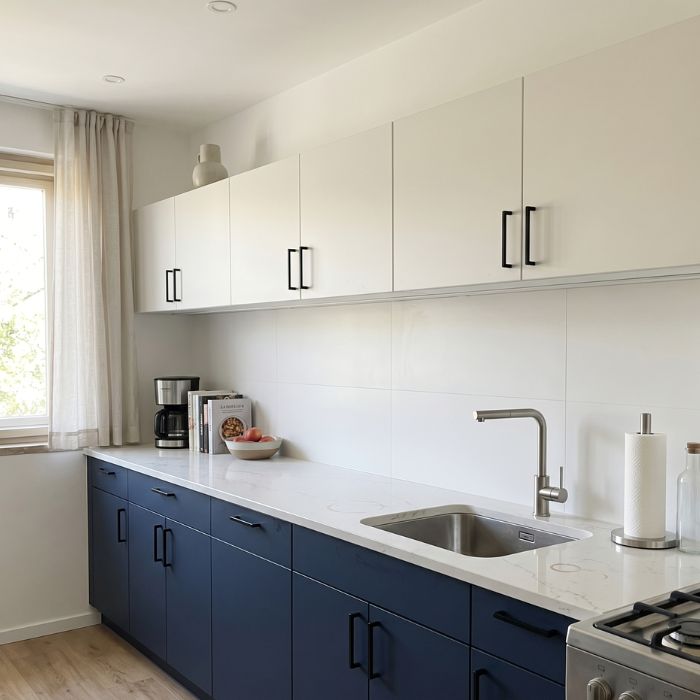
Value homes provide a functional, durable residence without the higher-end finishes or architectural customizations seen in upper tiers. They often include standard vinyl siding and asphalt shingles, basic flooring such as laminate or carpet, standard drywall and trim, and regular concrete foundations. Kitchens and bathrooms follow conventional layouts with builder-grade fixtures. The focus in this category is reliability and cost control rather than personalization. Homeowners who prioritize budget certainty, simple floor plans, and quick construction timelines typically gravitate toward this tier.
Premium Homes
Premium builds offer a noticeable shift in both finish quality and design flexibility. Materials such as fiber cement siding, higher-grade vinyl, hardwood or ceramic tile flooring, and quartz countertops become common. Kitchen layouts usually improve with better cabinetry, upgraded hardware, and more functional storage. Bathrooms incorporate enhanced tilework, higher-quality fixtures, and improved lighting. While these homes still follow standardized structural methods, they allow for selective customization, including modified floor plans, enhanced window packages, better insulation, or unique design touches that elevate the overall look and feel. For many Ottawa homeowners, this tier strikes the best balance between cost, longevity, and design freedom.
Luxury Homes
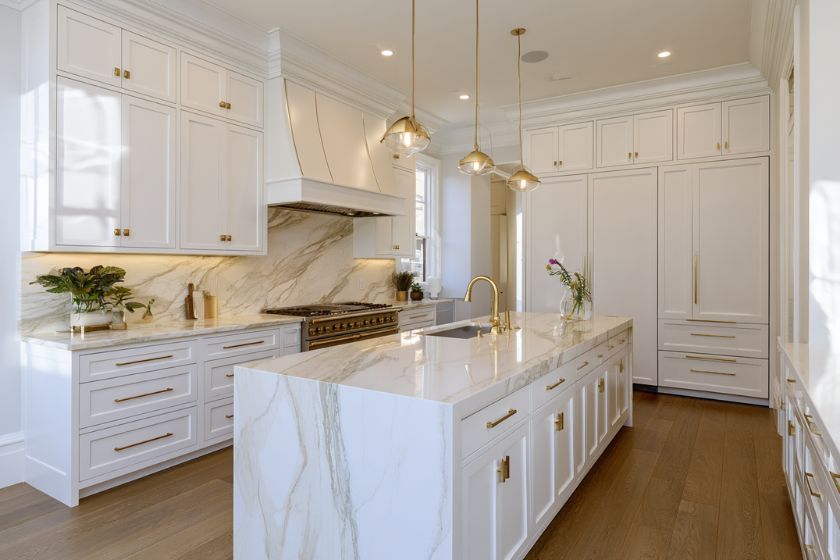
Luxury-tier homes represent Ottawa’s highest standard of residential construction. This category includes custom architecture, stone or brick exteriors, expansive glass walls, and specialty engineering for large spans or vaulted ceilings. Interior finishes may include imported stone, bespoke millwork, integrated smart home controls, hydronic radiant heating, high-end appliance packages, and designer hardware brands such as Thermador or Buster + Punch. Because these homes are designed from the ground up, almost every element is customizable. Costs rise not only because of premium materials but also the specialized trades required to install them and the extended construction timelines that accompany more complex builds. Luxury homes often include advanced building envelope systems, specialty HVAC layouts, and unique structural solutions—each of which contributes significantly to the per-square-foot total.
.jpg)
Custom Home vs Production (New) Build in Ottawa
One of the first decisions Ottawa families face is custom home vs new build. A production or new build comes from a developer’s existing catalogue of floor plans, built on lots the builder controls, with finishes chosen from a fixed set of options. A custom home is designed around your lot, your layout, and your material choices from the ground up. Production homes trade flexibility for speed and price certainty, while custom homes trade a longer timeline and higher cost for full control over design and quality.
The pricing gap follows from that difference. Production builders spread design and engineering across many identical units, so their per-square-foot rates sit below custom construction, which starts around $315 per square foot for a value-tier build and climbs past $1,100 per square foot for fully bespoke luxury work. The custom home builders Ottawa homeowners hire also coordinate site-specific engineering, permitting, and trade scheduling that a catalogue build has already solved. If you want a specific layout, an unusual lot, or finishes beyond a set menu, a custom home is the route; if budget and speed lead your priorities, a production build may fit better.
Factors Effecting The Cost Of A Custom Home
Size and Complexity
While square footage is the most obvious cost driver, complexity often has a greater impact than raw size. A simple 3,000 sq ft rectangular home is less expensive per sq ft than a 2,200 sq ft home with multiple wings, vaulted ceilings, a cantilevered second story, or a large amount of structural steel. Designs that incorporate cathedral great rooms, custom staircases, oversized windows, or unique rooflines require more engineering and longer tradesperson hours, pushing the project into higher price ranges.
Materials and Finishes
Material decisions play a major role in final cost. Upgrading from vinyl to fiber cement siding, choosing hardwood instead of laminate, opting for marble or imported tile, or selecting triple-pane window systems can shift a home from value to premium or from premium to luxury. Eco-friendly materials also tend to cost more upfront. While they may reduce long-term operating costs, they can add significant expense in the early construction phase. Even small choices like millwork profiles, cabinetry construction quality, and appliance brands can contribute tens of thousands to a project’s budget.
Labor in the Ottawa Market
Labor accounts for roughly 50–60 percent of a custom home’s total construction cost. Ottawa continues to experience demand pressures in key trades including electrical, plumbing, HVAC, masonry, and finish carpentry. Skilled trades command higher wages, and longer project durations increase labor overhead. This is one reason why multi-storey designs or highly detailed interior finishes tend to cost more than homeowners expect. Labor availability also impacts timelines, which indirectly affects carrying costs for the homeowner.
Foundation Type
Foundation requirements vary significantly depending on the lot, soil conditions, and home design. A slab-on-grade foundation is usually the most cost-effective option, but many Ottawa homeowners choose a full basement, which raises costs due to excavation depth, concrete volume, drainage systems, and insulation requirements. Deep foundations required for poor soil conditions, high water tables, or walkout basements can add tens of thousands to the budget before framing even begins.
Degree of Customization
The more unique the home, the more expensive it is to build. Custom staircases, oversized kitchens, glass walls, detailed carpentry, and integrated automation systems all increase cost. These features also extend the timeline because they require additional design coordination and installation by specialized trades. Even modifications made after framing begins can lead to extra engineering work and construction delays, which is why early planning is essential.
How to Choose an Ottawa Custom Home Builder
Comparing the custom home builders Ottawa homeowners shortlist starts with the quotes themselves. Ask each builder for a line-by-line breakdown so you can see how allowances, finishes, and contingencies are handled rather than comparing single bottom-line numbers. A quote that looks low often carries thin allowances that climb once real selections are made. Confirm what is included for design, engineering, permits, and site work, since these fall outside the per-square-foot construction rate and are easy to leave out of an early estimate.
Look for a written contract, a clear payment schedule, proof of liability insurance, and a warranty you can hold the builder to. Ottawa General Contractors is a verified RenoMark renovator, which means a written contract, a minimum two-year warranty, and $2 million in liability insurance on every project. Check references, ask to see completed custom homes, and confirm the builder carries the trades and project management to run your build without long gaps.
Custom Home Design and Floor Plans
Every custom home starts with the design phase, where your priorities become drawings and then a working floor plan. This stage covers room layout, ceiling heights, window placement, structural coordination, and the finish selections that set your build tier. Decisions made here shape both the budget and the timeline, so resolving the floor plan before construction begins is the single best way to avoid the costly mid-build changes described later in this guide.
How Long Does It Take to Build a Custom Home in Ottawa?
Typical Duration
Building a custom home in Ottawa generally takes 8–12 months, though timelines vary by tier. A straightforward value-tier build may be completed in 8–12 months, while premium homes often take the full 12–18 months. Luxury homes commonly require 18–24 months due to detailed finishing, architectural complexity, and material lead times. Longer projects incur additional costs through extended project management, fluctuating material prices, and financing expenses.
What Delays a Build
Several factors commonly extend Ottawa homebuilding timelines. Permitting, zoning approvals, and engineering reviews can take longer than anticipated. Winter weather can affect excavation and foundation schedules. Specialty materials - especially custom windows, imported stone, and engineered steel - often come with long lead times. Scheduling challenges with electricians, masons, or finish carpenters can also push the project into a longer cycle. Homeowners who make design changes mid-build frequently experience increased costs because alterations require rework or additional labor hours.
2026 Market Conditions
The 2026 Ottawa market is defined by elevated material costs, strong demand for trades, and extended supply chain timelines for key products. Lumber, insulation, HVAC components, and electrical supplies have all seen cost increases. Many builders now recommend planning budgets at the upper end of cost ranges to avoid shortfalls. Homeowners should be prepared for higher contingencies, earlier design decisions, and a more cautious approach to selecting custom features.
Additional Costs Outside Construction
Construction rates do not include the cost of land, architectural fees, engineering, city permits, septic and well systems for rural builds, or landscaping. Architectural and engineering services typically account for 8–15 percent of total construction cost, depending on the complexity of the design. Permits and city fees vary but often total $10,000–$40,000. Exterior work such as driveways, grading, fencing, and decks can add another $15,000 to $150,000 depending on scope and materials.
Building a new custom home in Ottawa also triggers municipal development charges, a real budget line beyond construction cost. According to the City of Ottawa, 2026 residential development charges run roughly $57,827 per single-detached unit inside the Greenbelt and $64,634 outside it. These fees are collected at the permit stage and are separate from the per-square-foot construction rates above.
Frequently Asked Questions
How much does it cost to build a custom home in Ottawa?
The cost to build a custom home in Ottawa ranges from $315 to $1,100 per square foot for construction, so a typical 2,500 sq ft home runs from about $787,500 for a value-tier build to more than $2.75 million for luxury. Value homes sit at $315 to $330 per square foot, premium homes at $420 to $450, and luxury homes from $500 to $1,100 or more. These figures cover construction only, before land, design, permits, and landscaping.
How long does it take to build a custom home in Ottawa?
A custom home in Ottawa generally takes 8 to 12 months to build. Straightforward value-tier builds finish in 8 to 12 months, premium homes often take the full 12 to 18 months, and luxury homes commonly require 18 to 24 months because of detailed finishing, architectural complexity, and material lead times.
What is the difference between a custom home and a production or new build?
A production or new build uses a developer’s existing floor plans and a fixed set of finishes, which keeps the per-square-foot price lower and the timeline shorter. A custom home is designed around your lot and choices from the ground up, which is why custom construction starts around $315 per square foot and can exceed $1,100 per square foot for fully bespoke work.
Do development charges apply when building a custom home in Ottawa?
Yes. Building a new custom home triggers municipal development charges. According to the City of Ottawa, 2026 residential development charges run roughly $57,827 per single-detached unit inside the Greenbelt and $64,634 outside it. This is a separate budget line collected at the permit stage, on top of construction cost.
How much does it cost per square foot to build a custom home in Ottawa?
Custom home construction in Ottawa runs from $315 to $1,100 per square foot. Value builds are $315 to $330 per square foot, premium builds $420 to $450, and luxury builds $500 to $1,100 or more. The Altus Group Canadian Cost Guide places Ottawa custom construction at roughly $500 to $1,000 per square foot, in line with the premium and luxury tiers.
Final Thoughts
In 2026, building a custom home in Ottawa typically costs between $315 and $1,100 per square foot, with total construction costs for a 2,500 sq ft home ranging from $787,500 to more than $2.75 million. The final price depends on the build tier, design complexity, material choices, and the amount of customization involved. Market pressures from labor shortages, increased material costs, and longer lead times make thorough planning more important than ever. Homeowners who define priorities early, avoid mid-build changes, and work with an experienced builder are best positioned to keep their custom home project on budget and on schedule.
.jpeg)
.jpg)