


Heritage Renovations in Ottawa
Older Ottawa homes hold details worth keeping and problems worth finding early, from knob-and-tube wiring to a heritage permit that has to come before the building permit. OGC designs and builds heritage and century-home renovations under one roof, with a 7-year warranty.
Ottawa's Older Homes Need a Different Approach
Heritage renovations in Ottawa start with a house worth keeping. A home built in the Glebe in 1920 or in Westboro in 1938 has solid bones, thick walls, and character you cannot replicate in new construction, and most owners want to keep that while finally getting a kitchen, bathrooms, and systems that work.
Renovating one is a different job from renovating a house built in 2005. Behind the plaster there can be knob-and-tube wiring, galvanized or lead pipes, and very little insulation, and the framing over an opening was rarely sized for what you are planning. If the property is designated or sits in a Heritage Conservation District, some changes also need City heritage approval before work can start.
OGC handles both sides: the building work and the approvals. It is the same design-build team behind our home renovations in Ottawa, with an assessment of the house before anything is designed.
- Wiring, plumbing, insulation, and structure assessed before design
- Heritage approvals and building permits prepared and tracked
- Original plaster, trim, floors, and stained glass kept where you want them
- Backed by a 7-year warranty
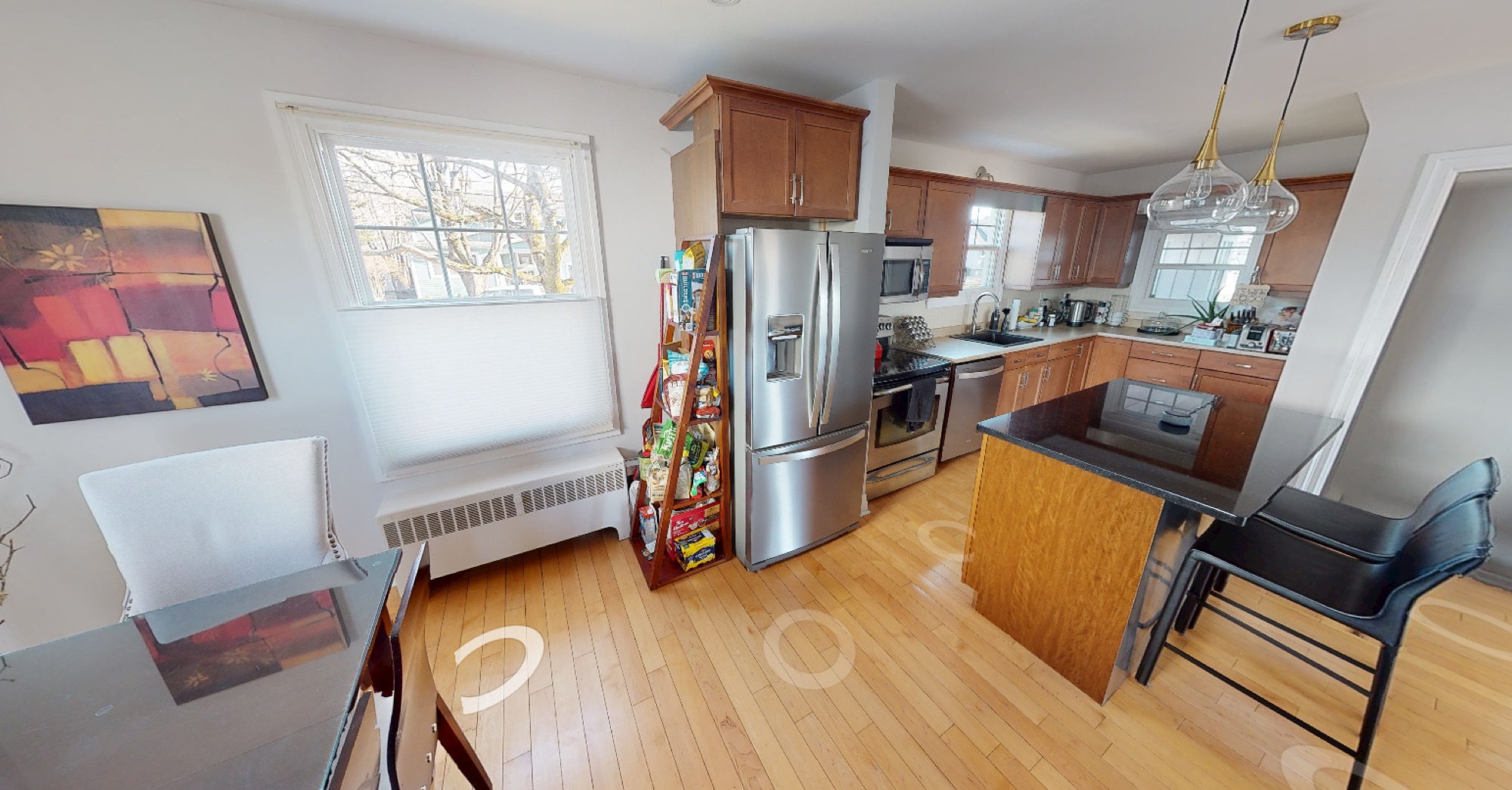
What We Renovate in Older Ottawa Homes
Some of these houses are designated, most are not. Either way, the work starts with what the house already has and what the rules allow.
Designated Heritage Homes
Properties designated under Part IV of the Ontario Heritage Act need City consent for changes that affect the heritage attributes in their designation by-law. Interiors are covered only where that by-law lists them.
How a heritage permit works in Ottawa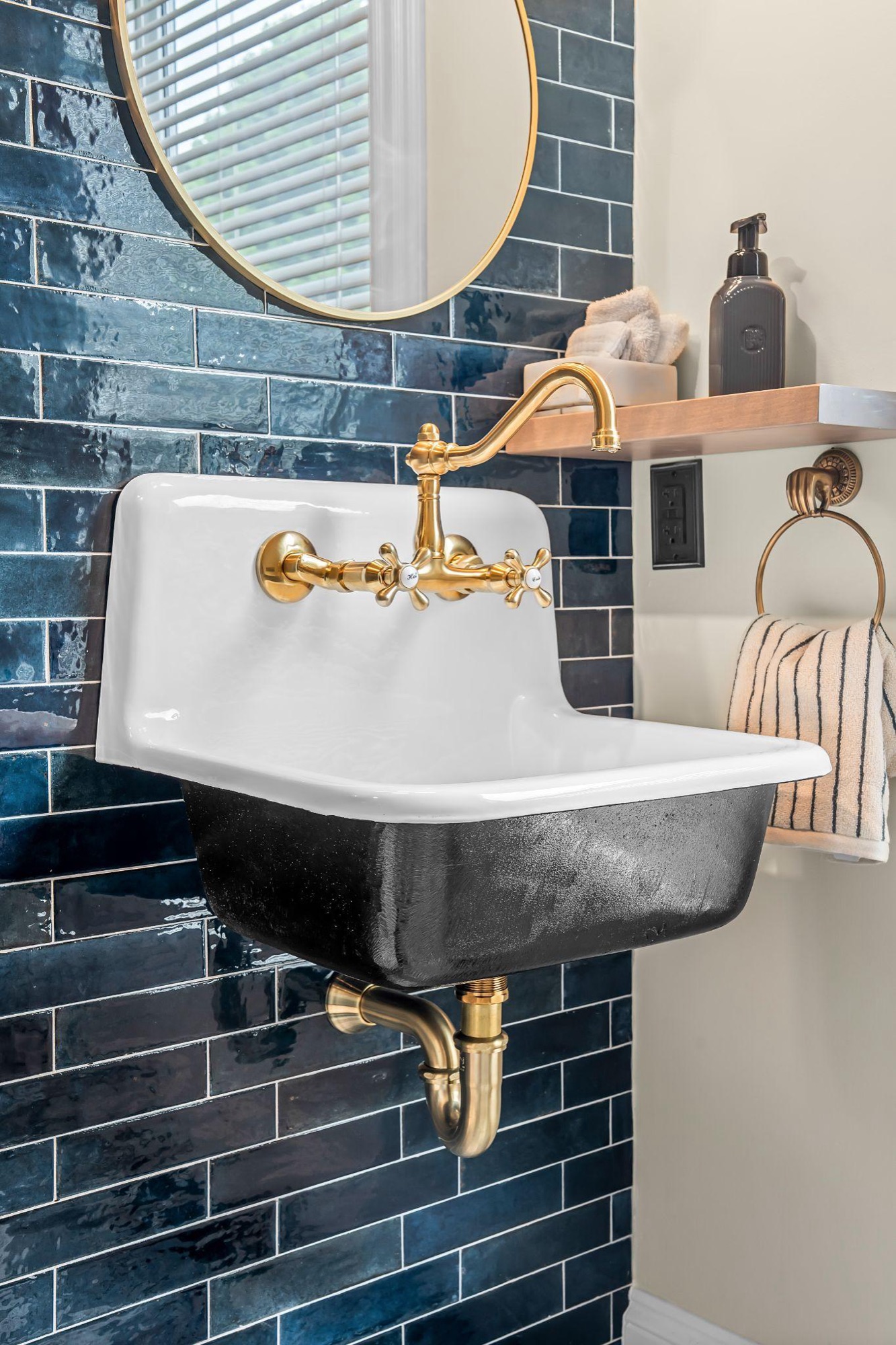
Homes in a Heritage District
In a Heritage Conservation District such as Rockcliffe Park or New Edinburgh, altering any part of the property other than the interior needs a heritage permit. Window replacement and porch work count.
Heritage permits explained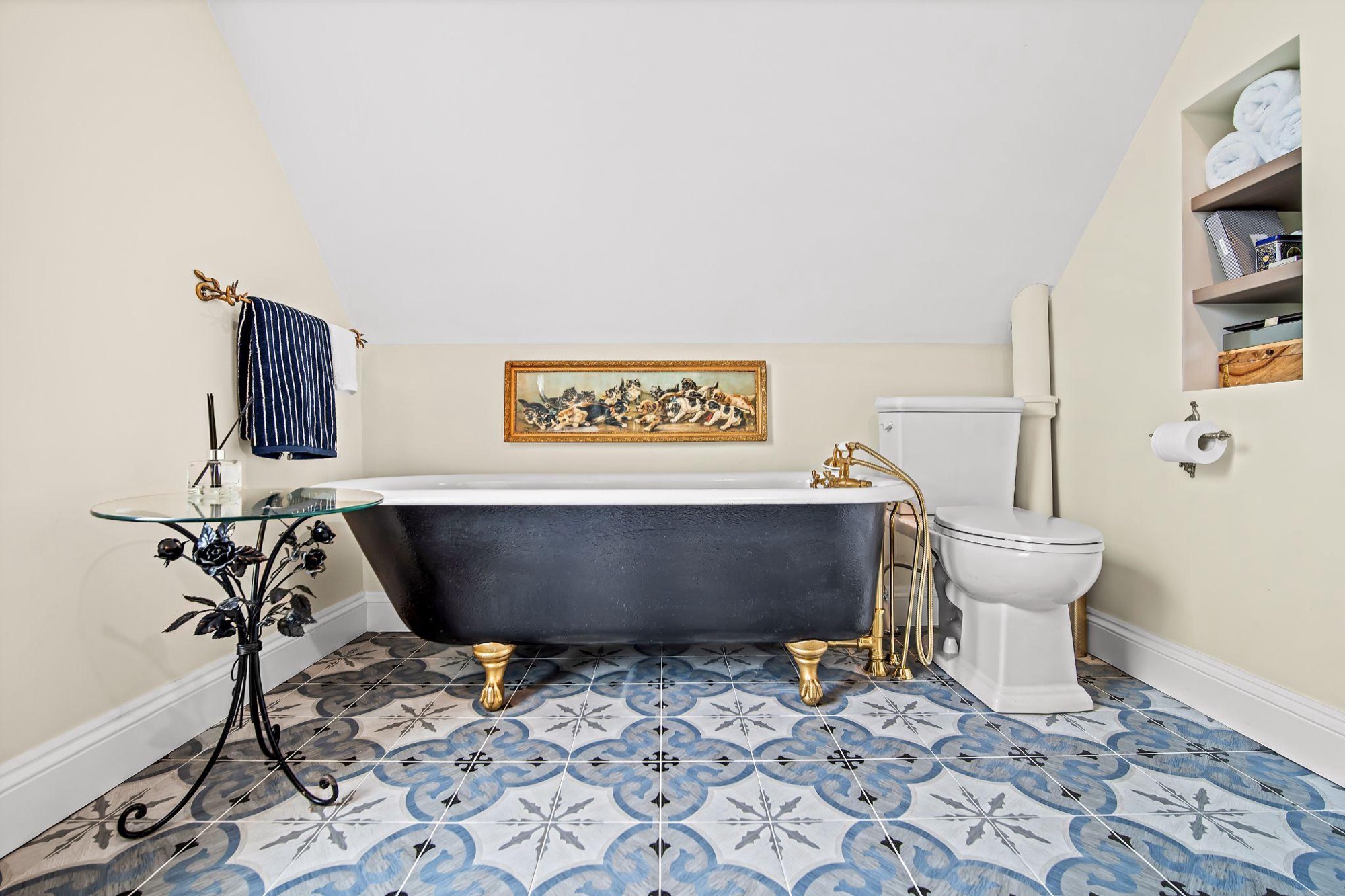
Century and Pre-War Homes
Not designated, but the same wiring, plumbing, and plaster as the designated house down the street. An engineer looks at bowed walls and sagging beams first, then the systems get brought up to date.
Home renovations in Ottawa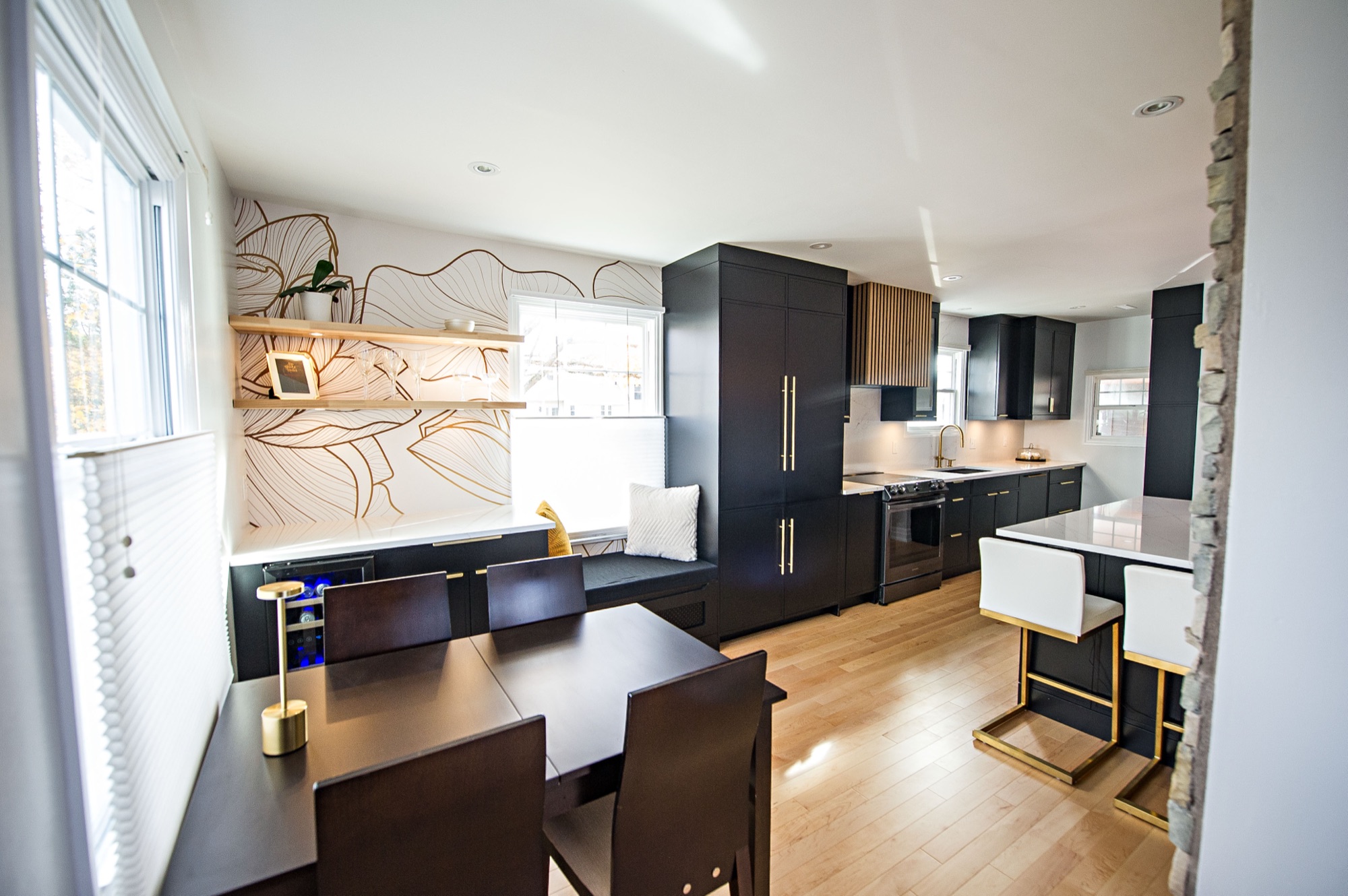
Kitchens and Bathrooms
The rooms most owners want to change first, and the ones where old plumbing and wiring show up. We redo the systems behind the walls while the room is open, so you do it once.
Kitchen renovations in Ottawa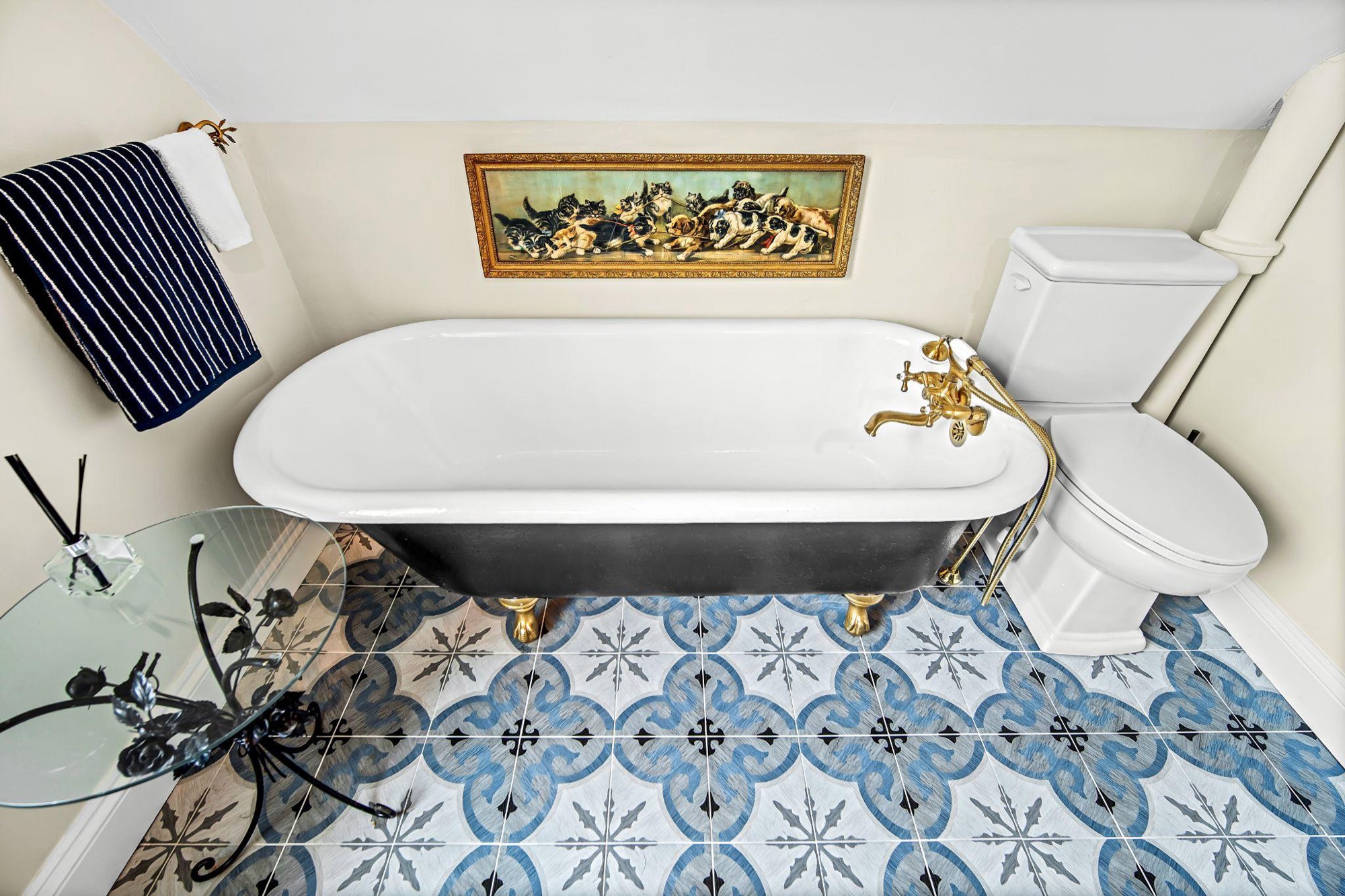
Attics and Third Floors
Older Ottawa houses often have a full attic under a steep roof. Turned into a bedroom or an ensuite, it adds space without touching the footprint or the street face of the house.
Attic renovations in Ottawa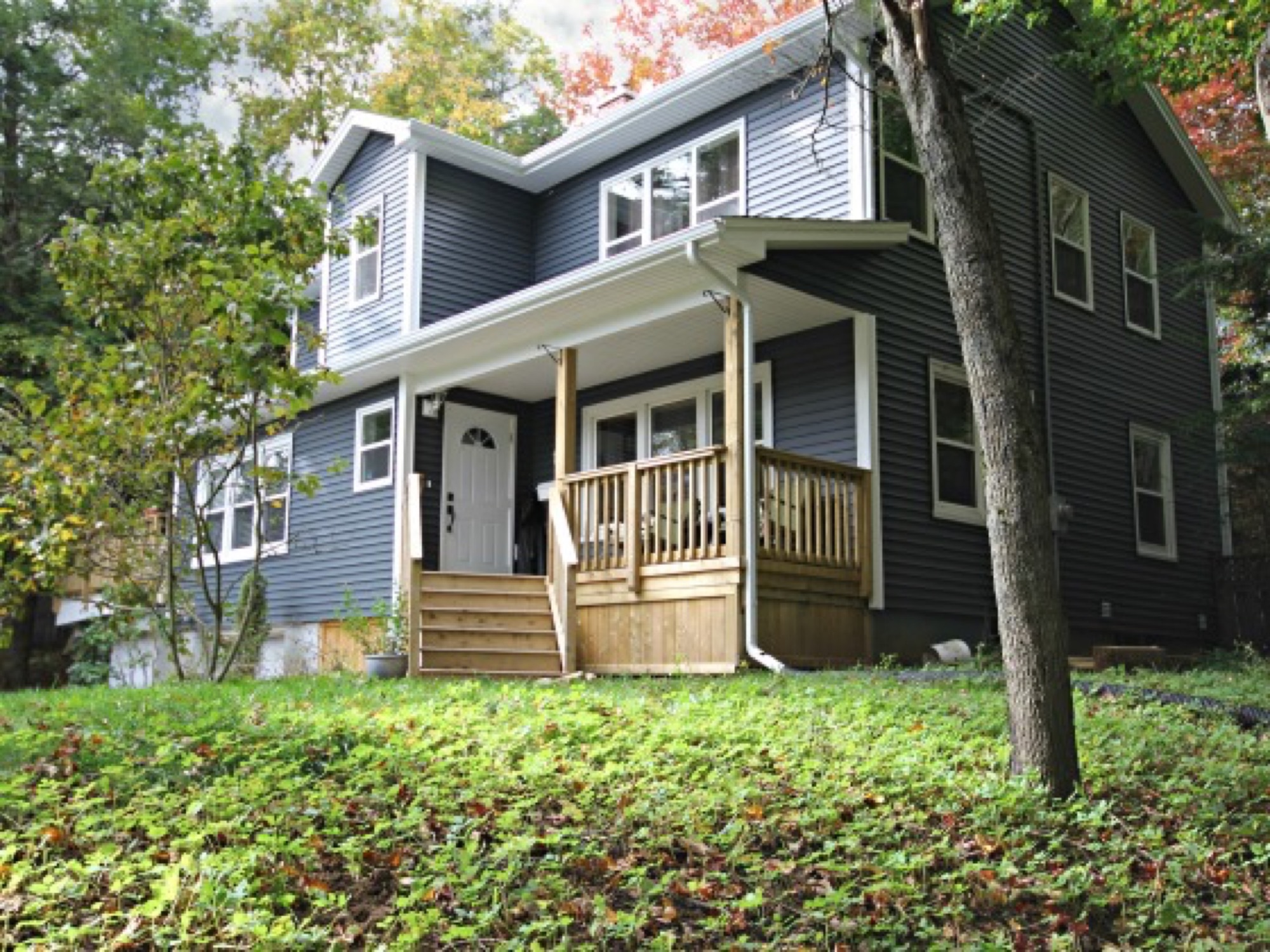
Additions to Older Homes
An addition has to sit well beside the original house. In a Heritage Conservation District it also needs a heritage permit as well as a building permit, and we design it with both in mind.
Home additions in Ottawa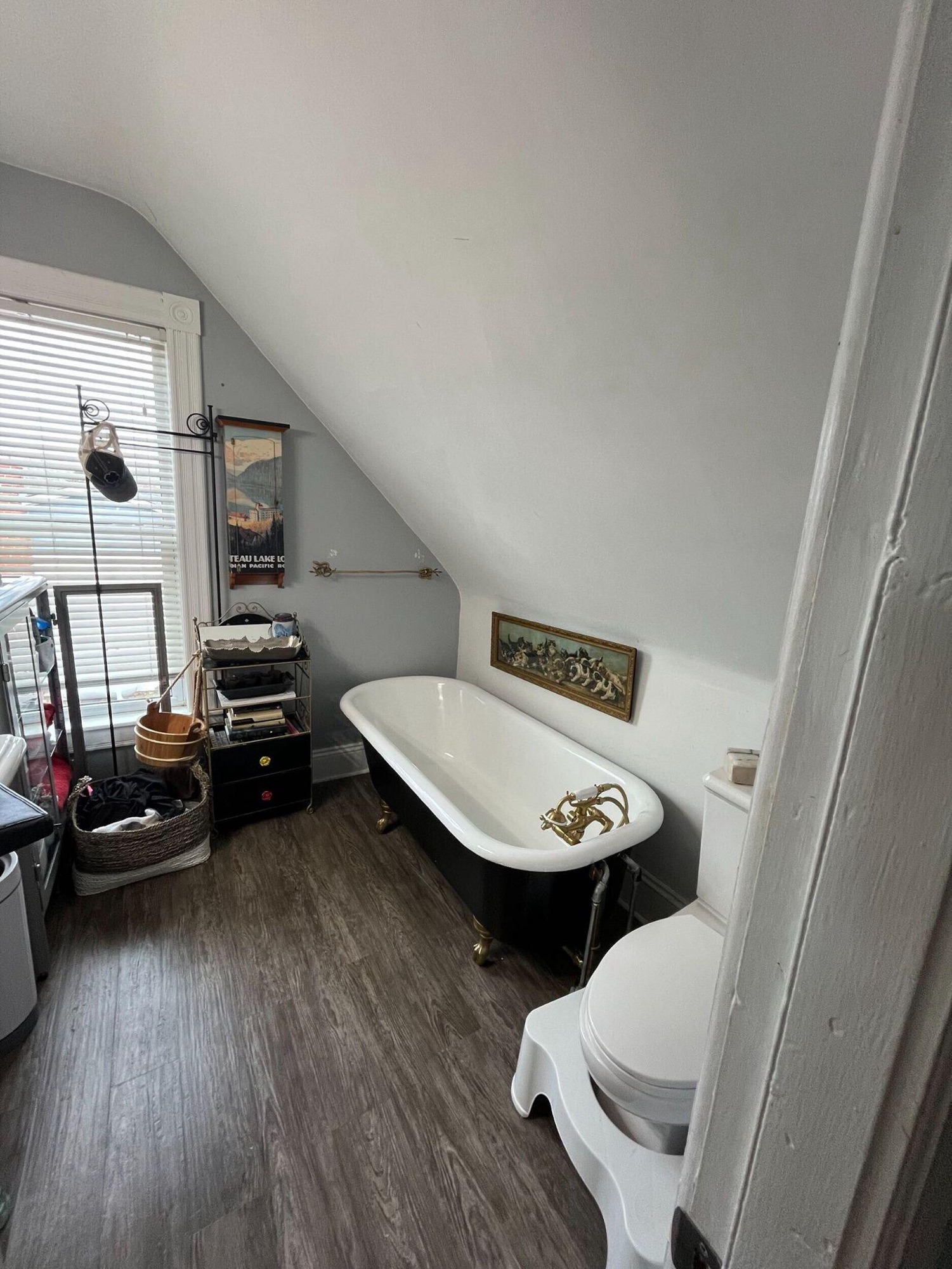
How an Ottawa Heritage Renovation Actually Runs
Older houses reward a slower start. Here is what happens from your first call to the finished home.
We come to your home and look at what you have. We walk through the scope you are thinking about, assess the existing wiring, plumbing, insulation, and structure, and talk through what is realistic for the age of the house and your budget. You leave with a rough range before we do anything else.
- In-home visit at a time that works for you
- Wiring, plumbing, insulation, and structure assessed
- Structural engineer brought in where walls or beams need it
- Rough budget range at no cost
You work with our designer on layout, finishes, and materials. For older homes this includes matching millwork profiles, choosing finishes that suit the period, and deciding which original features to keep. Your full quote, including a contingency for what the walls may hide, is agreed before work starts.
- Visit our Ottawa design centre at 1886 Merivale Road
- 3D renderings before work begins
- Itemized quote with the contingency written down
For a designated or district property, heritage approval comes before the building permit, so we prepare the heritage permit application and keep it moving with City heritage staff. Then we submit the City of Ottawa building permit. Electrical work is permitted and inspected through the Electrical Safety Authority, not the City.
- Heritage permit applications prepared and tracked
- Building permit submitted once heritage approval is in place
- Electrical and plumbing permits included
Older homes need slower, more deliberate demolition. We identify what is there before it comes out: original material worth saving, hidden structural problems, and systems that need replacing. Suspect materials are tested before they are disturbed, and anything found is documented and reviewed with you before work continues.
- The rest of your home protected throughout
- Salvageable original material set aside
- Suspect insulation and paint tested before work
Once the systems are updated, we build. This is where the craft work happens: custom millwork, period-appropriate finishes, and details that respect the age of the house while bringing it up to current standards.
- Structural, mechanical, and carpentry work
- Custom millwork and period-appropriate finishes
- New plumbing, electrical, and insulation where required
Your project manager walks through the finished home with you, and any touch-ups are handled before we leave. Your 7-year warranty paperwork is handed over at the end.
- Full quality check by your project manager
- City permit inspections booked and attended by OGC
- 7-year warranty paperwork at handover
Character Homes We've Renovated
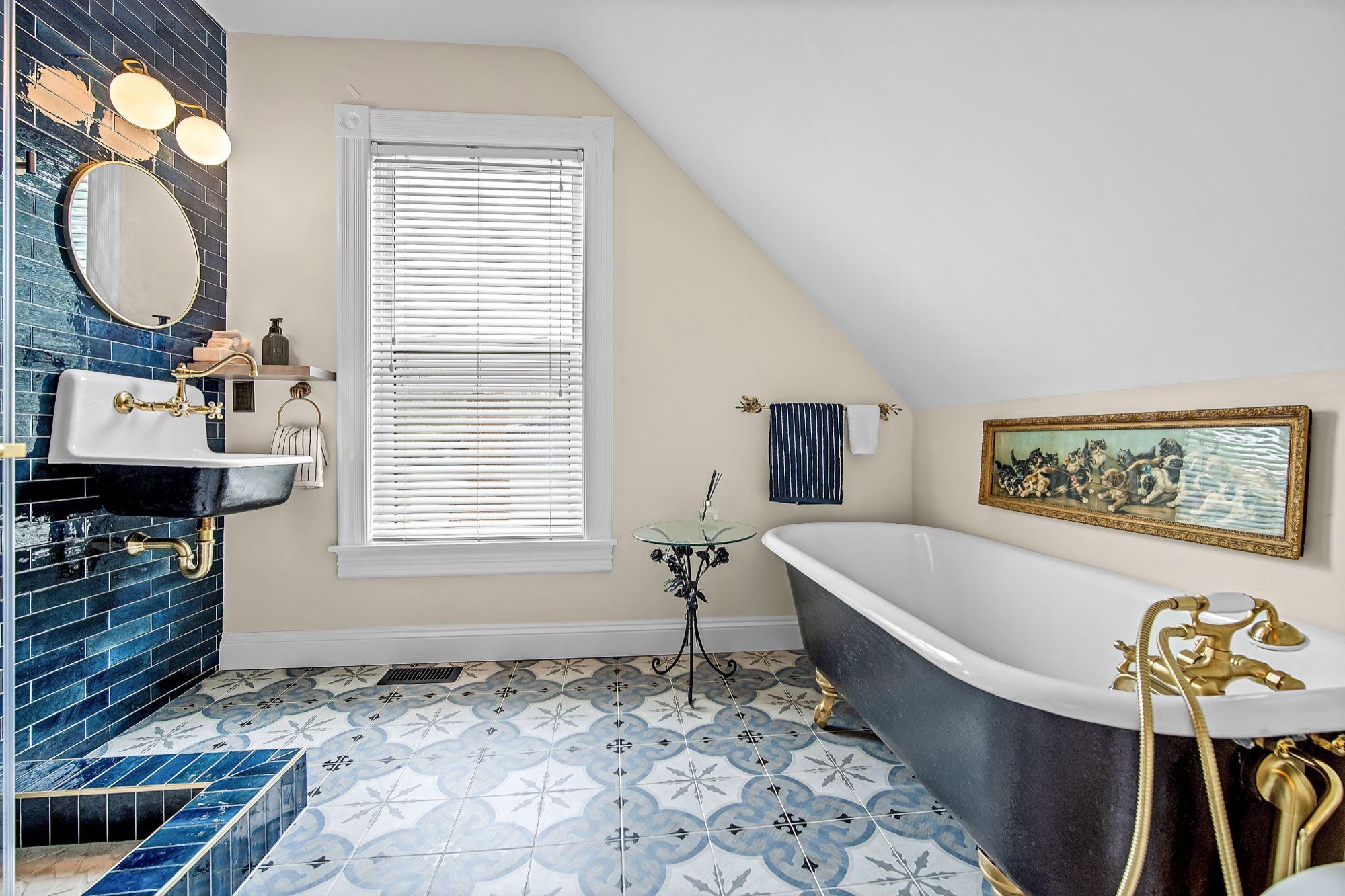
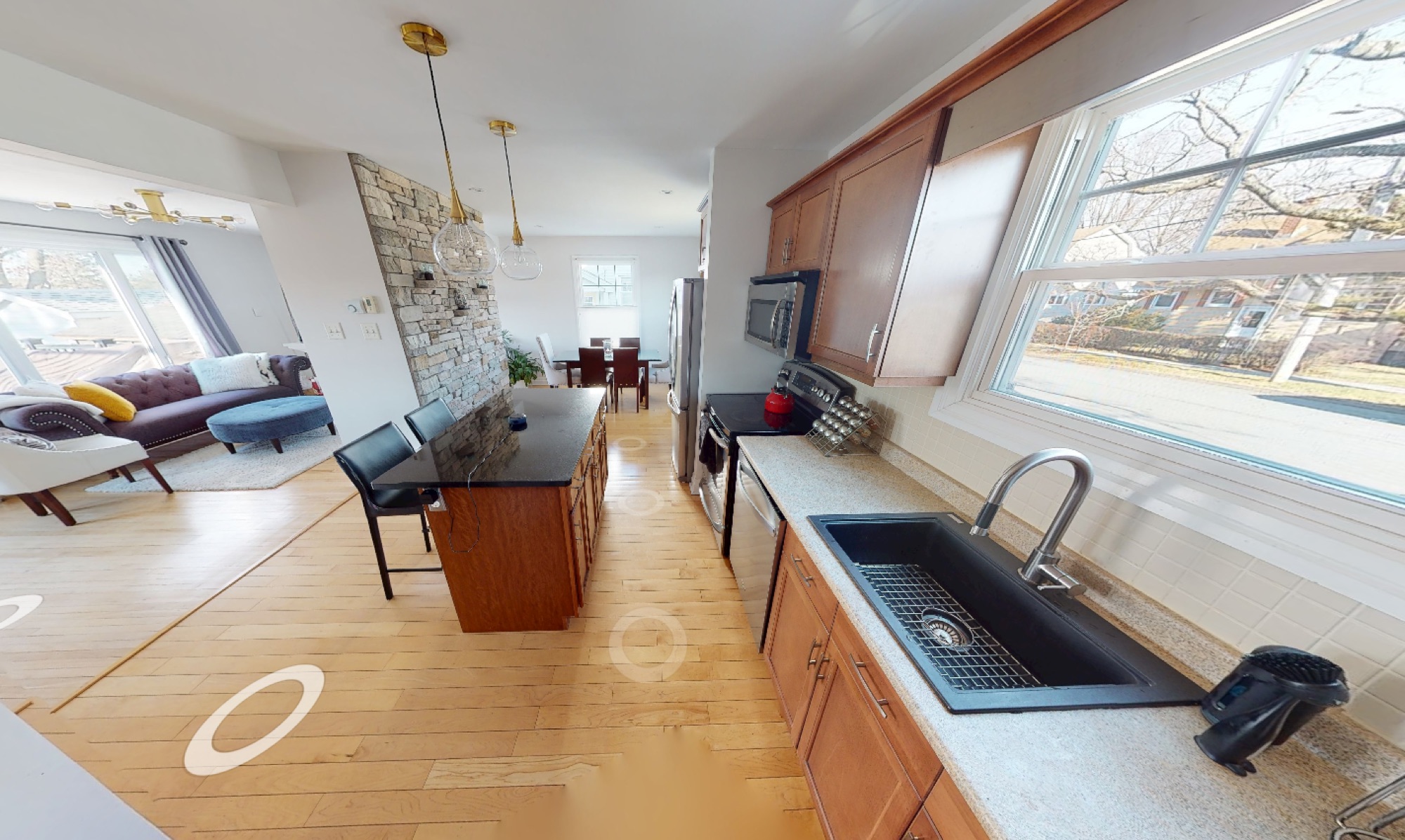
Two older-home projects, before and after: a main floor opened up around a natural stone wall, and an attic ensuite that kept its original cast iron tub.
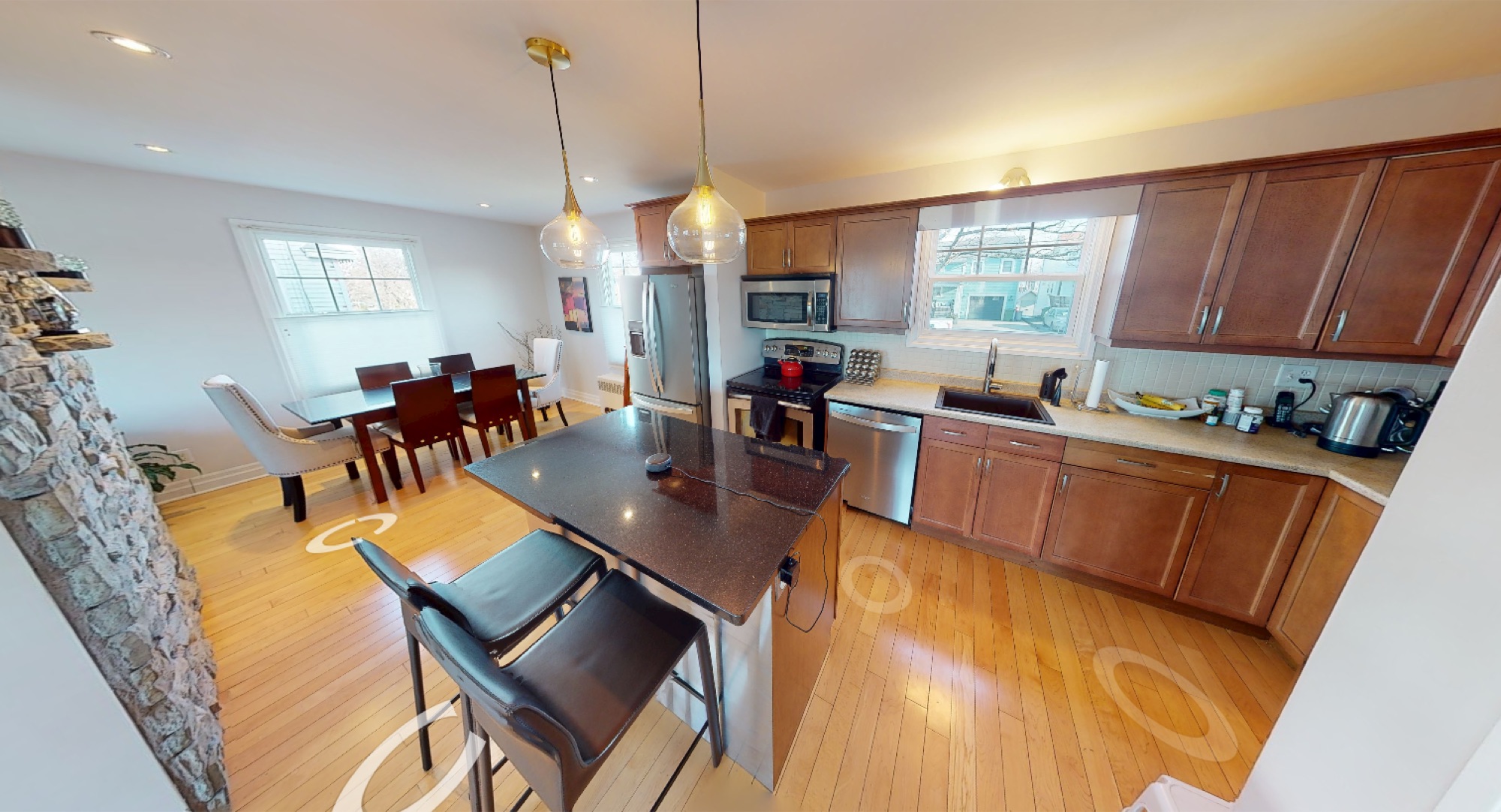
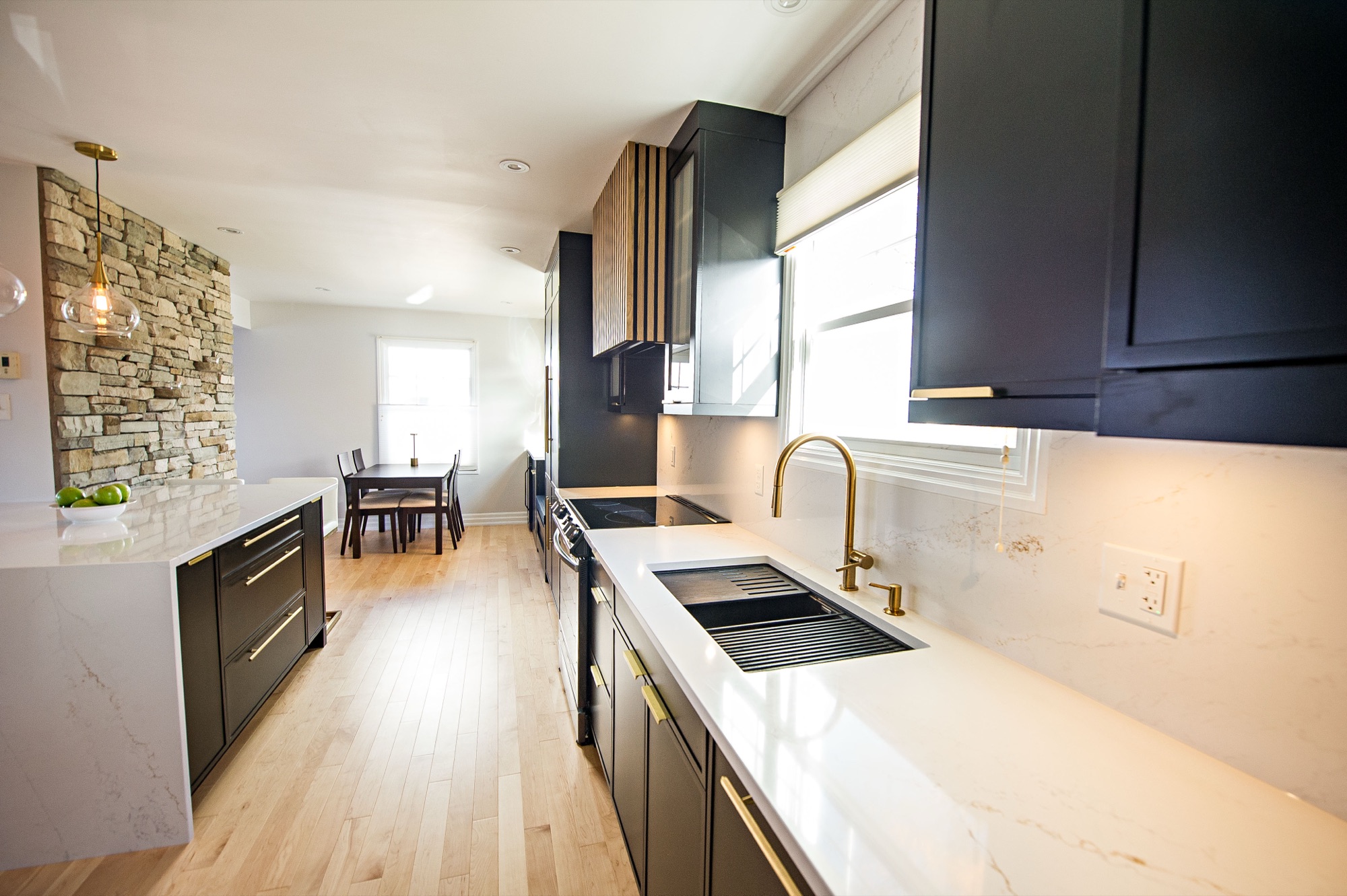
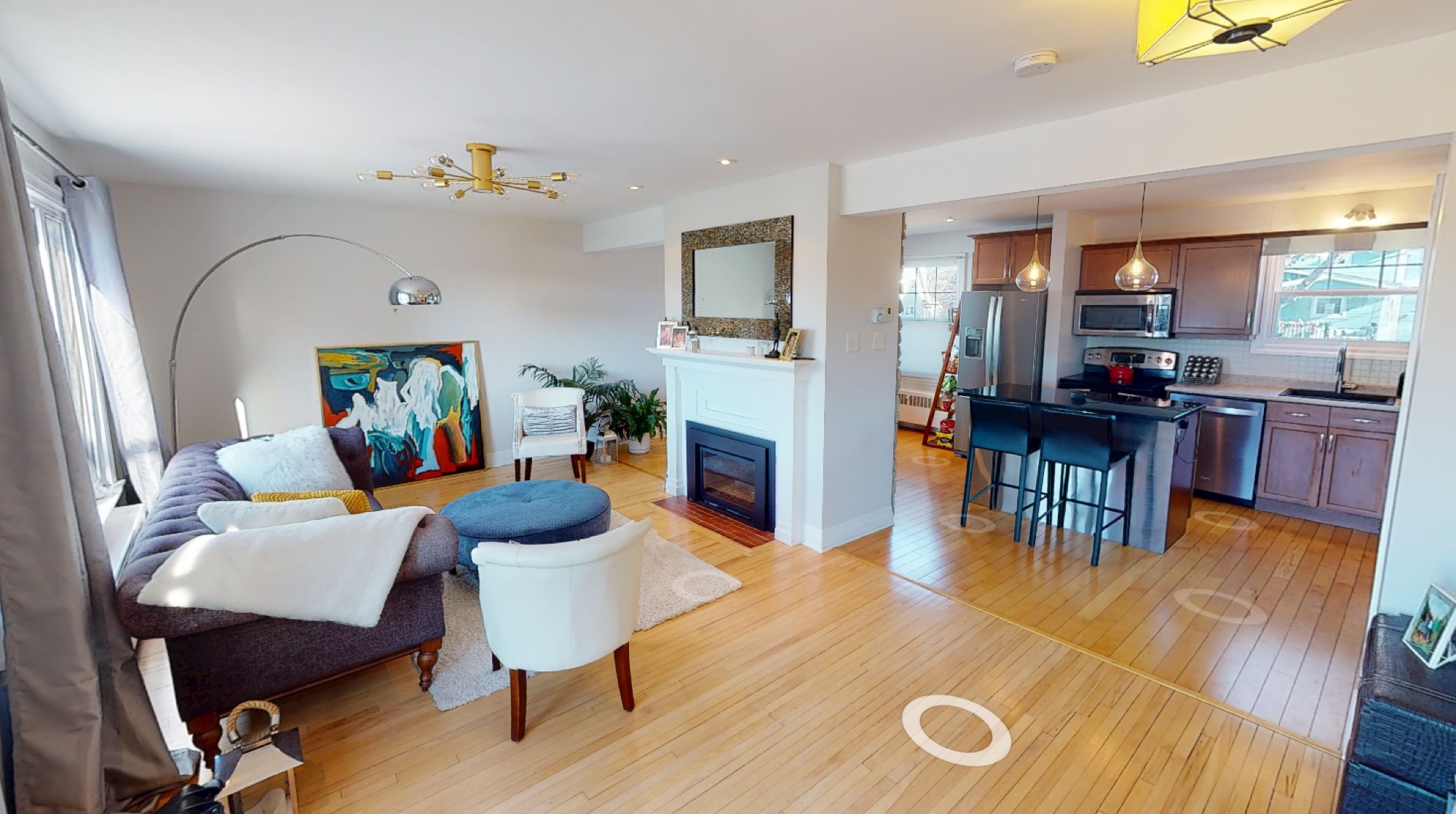
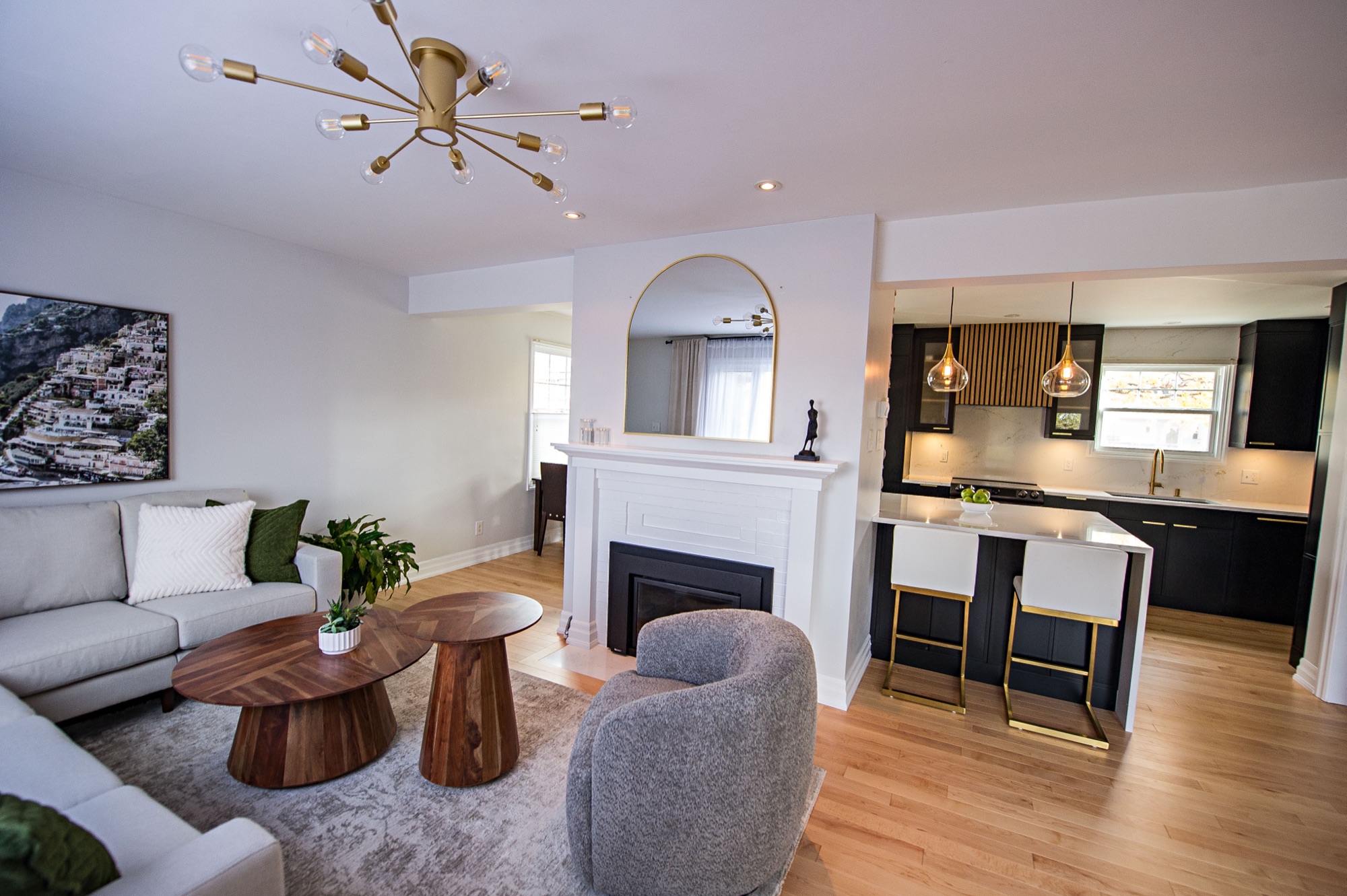
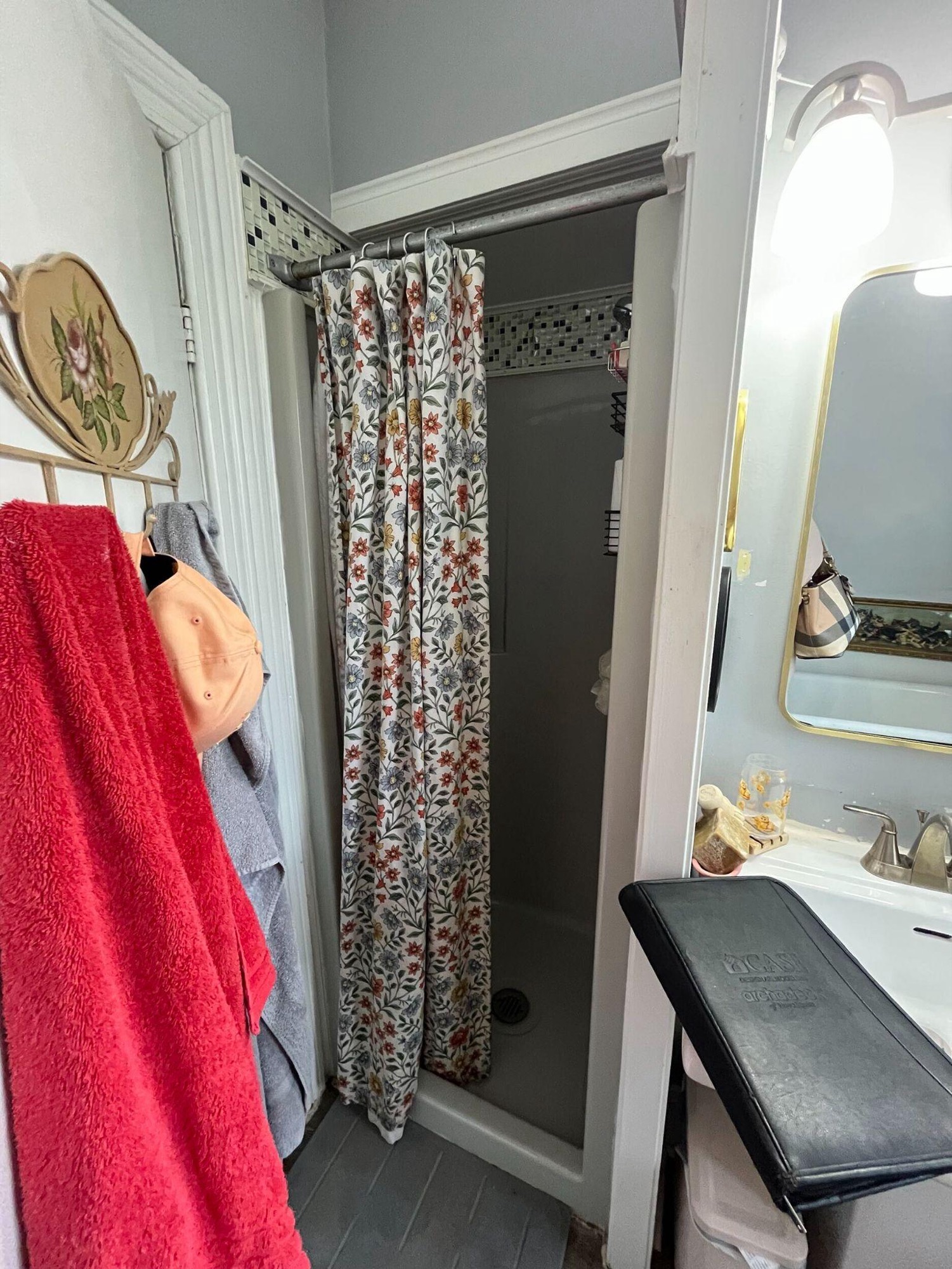
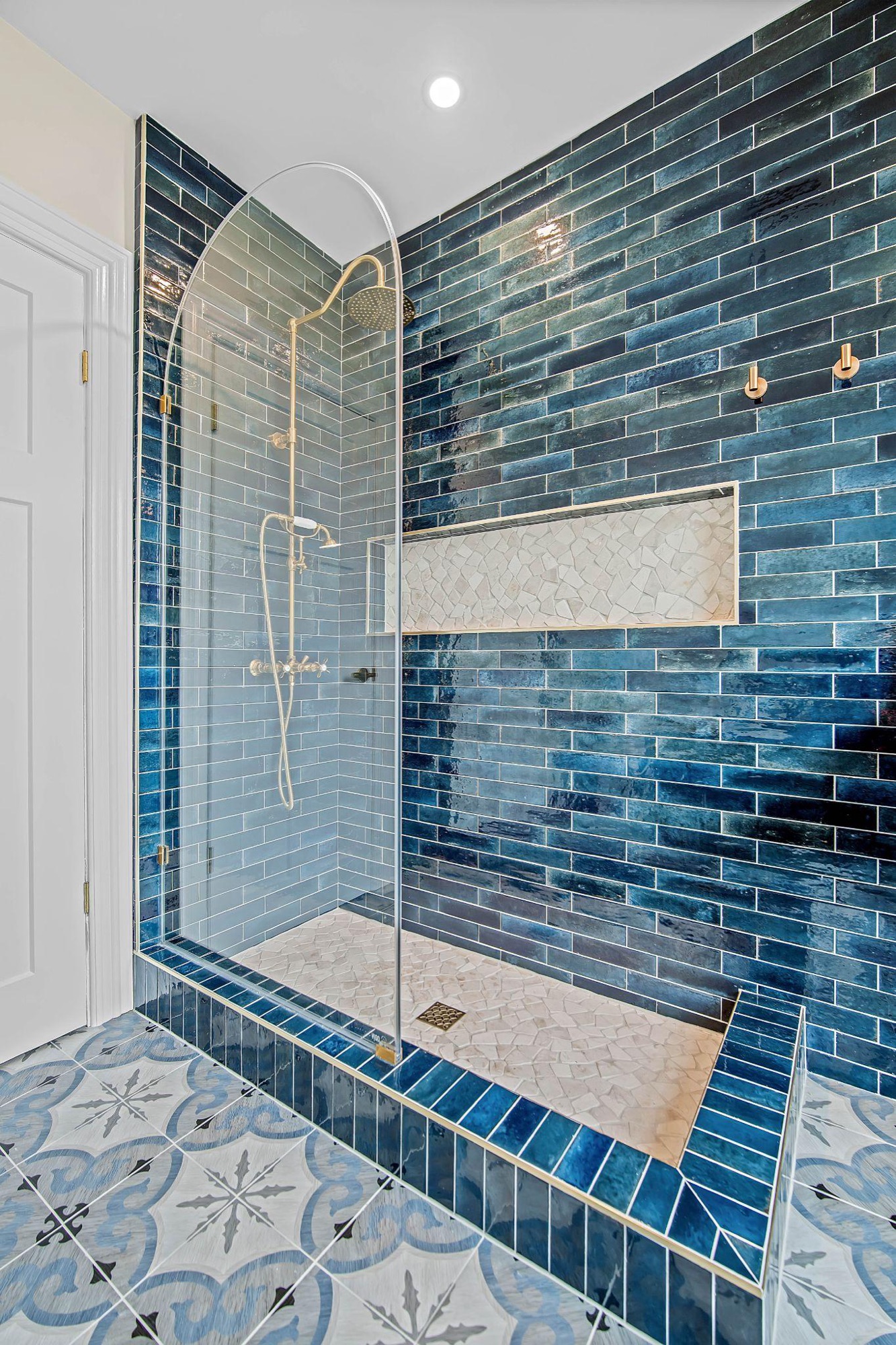
See the full project stories: Stone Wall Main Floor and Navy Attic Ensuite.
Why Ottawa Homeowners Choose OGC
200+ verified reviews across Google, Houzz, and HomeStars, from homeowners who trusted us with the house they live in.
True Design-Build, One Roof
Design, engineering, permits, and construction all live in-house. No finger-pointing between an architect and a builder, just one accountable team from the first assessment to the final inspection.
One Dedicated Project Manager
A single project manager runs your entire renovation and stays reachable by phone or text the whole way through. No handoffs, no gaps, no wondering who is in charge.
See It Before We Build It
Every renovation starts with full 3D renderings so you can see your home before a single wall comes down. Change layouts and finishes on screen, not on site.
A Fixed Price, Honest Allowances
You approve a fixed price for the scope in your contract, with a contingency for what older walls hide agreed up front, not sprung on you later. Our price-match policy applies to comparable, itemized quotes from GOHBA and RenoMark members.
7-Year Warranty
OGC backs every renovation with a 7-year warranty. An older home is a long-term investment, and the work in it should be backed for the long term too.
Recognized by Ottawa's Building Industry
OGC is a member of the Greater Ottawa Home Builders' Association (GOHBA), a RenoMark renovator, and a member of the Canadian Home Builders' Association (CHBA). Our work has been featured on CTV and CBC.
What Ottawa Homeowners Say About Us
The Problems We See Most in Ottawa Heritage Homes
Every older Ottawa home comes with its own surprises. These are the ones we run into most often, and how we deal with each.
Part IV designation protects the heritage attributes listed in a property's by-law, and changes that affect them need City consent. In a Heritage Conservation District (Part V), a permit is needed to alter any part of the property other than the interior, to put up a new building or structure, or to demolish. Heritage approval does not replace the building permit; it comes first. City fees for staff-approved applications are $309 for an alteration and $927 for an addition, restoration and maintenance applications are free, and larger changes go to Council at a higher fee. Work done without approval can bring fines of up to $50,000 for an individual. Read how a heritage permit works in Ottawa.
Knob-and-tube wiring dates from the early 1900s to the 1940s. It is not illegal, and a licensed electrical contractor can keep it safe, but many insurers will not cover a house that still has it. Galvanized supply pipe corrodes from the inside, and homes built before about 1958 often still have a lead water service: the City offers a free lead test through 3-1-1 and a rebate of up to $1,000 toward replacing it. Older panels often need an upgrade too. Electrical work is permitted through ESA; see electrical permits in Ottawa.
In a 90-year-old house, opening a wall can turn up rotted sills, pest damage, or framing that was never built for the load it has been carrying. We set a contingency with you before work starts, so a discovery is a decision you make with the numbers in front of you, not a surprise that stops the job.
Paint in a house built before 1960 likely contains lead, and many building materials made before 1990, vermiculite attic insulation among them, can contain asbestos. Ontario regulates how asbestos is handled during renovation under O. Reg. 278/05. We test anything suspect before it is disturbed, and licensed specialists remove it where testing finds it.
In a Heritage Conservation District, replacing windows, rebuilding a porch, or changing cladding needs City heritage approval, separate from any building permit. Each district has its own plan, and some plans exempt minor work. We check yours before design, so the drawings you approve are drawings the City will accept.
Baseboard profiles, crown moulding, window casings, and plaster details from these houses have not been manufactured in decades. When keeping or extending them matters to you, it takes custom millwork and experience with period materials. We have both, and we decide with you what is worth preserving before demolition starts.
What a Heritage Renovation Costs in Ottawa
Typical Ottawa ranges by scope. Older homes cost more than newer ones of the same size because what is behind the walls is unknown until you open them, and published Ottawa estimates put that premium at roughly 20 to 40 percent.
Mechanical Systems
Wiring, plumbing, and insulation are the biggest variable in an older home. Typical ranges published by Ottawa renovators: about $2,000 to $4,000 for a panel upgrade, $5,000 to $12,000 to re-pipe galvanized supply lines, and $8,000 to $15,000 or more to replace knob-and-tube wiring. What you need depends on what is there and how much of the house you are touching.
Structural and Carpentry Work
Load-bearing changes, new headers, and custom millwork drive a large part of the labour budget in older homes. Old framing is not always where it should be, and fixing it adds time. This is where experience matters most.
Heritage Details and Finishes
Matching original millwork profiles, sourcing period-appropriate tile, or restoring original hardwood all cost more than standard materials. They are also what makes the finished house feel right. We help you decide where those investments make the most sense.
Own a designated property? The City's Heritage Property Grant Program matches eligible restoration spending up to $15,000 on a house. For room-by-room numbers, see kitchen renovation costs in Ottawa, our bathroom renovations, and basement renovations.
Ottawa Heritage Renovation Questions
Only if the property is designated under Part IV of the Ontario Heritage Act or sits in a Heritage Conservation District under Part V. For a designated property, changes that affect the heritage attributes in its designation by-law need City approval. In a district, altering any part of the property other than the interior needs a permit. Heritage approval is separate from the building permit and comes first. A property that is only listed on the City's Heritage Register, and not designated, has no alteration controls in Ottawa, although demolition needs 60 days' notice. Read how a heritage permit works in Ottawa.
Look up your address on geoOttawa, the City's online map, under the heritage layers, or ask City heritage staff at heritage@ottawa.ca or 613-580-2463. A heritage confirmation letter from the City gives you a formal answer. If your home is listed on the Heritage Register but not designated, note that listings made before 2023 come off the register on January 1, 2027 unless the City issues a notice of intention to designate.
Generally, yes. For a Part IV designated property, interior work needs heritage approval only where the designation by-law lists interior attributes. In a Heritage Conservation District, the heritage permit covers the exterior and the property, not the interior. The usual building permit still applies to structural, plumbing, and other regulated work, and electrical work goes through the Electrical Safety Authority.
Typical ranges are about $40,000 to $150,000 for one room or area in an older home with the wiring and plumbing behind it, $150,000 to $400,000 for a full interior renovation with mechanical upgrades, and $400,000 or more for a full heritage restoration that includes structure, exterior, and character work. The condition of the wiring, plumbing, and framing moves the number most, and published Ottawa estimates put the older-home premium at roughly 20 to 40 percent.
Not as a whole. The Glebe contains Heritage Conservation Districts, including Clemow Estate East and the Clemow-Monkland Driveway and Linden Terrace district, but most Glebe streets sit outside them. Rockcliffe Park and New Edinburgh are Heritage Conservation Districts, Sandy Hill is covered by several separate districts, and Westboro and Old Ottawa South are not districts. Check your own address before you plan any exterior work.
Some still do. The Electrical Safety Authority dates knob-and-tube wiring to the early 1900s through the 1940s. It is not illegal, and it does not automatically have to come out: a licensed electrical contractor can assess whether it is safe and maintain it. The practical problem is insurance, because many insurers will not cover a house that still has it, so it is usually worth replacing while the walls are open.
Yes. Original plaster, hardwood floors, stained glass, and trim are often worth keeping, and we decide with you what stays before demolition starts. Where a baseboard, crown, or casing profile is no longer made, we have it custom milled to match, and salvageable original material is set aside during demolition so it can go back in. The Ontario Building Code also allows compliance alternatives for heritage buildings in some cases, so an original element does not always have to be replaced to meet current code.
Yes, for designated properties. The City's Heritage Property Grant Program matches what you spend on eligible restoration work, up to $15,000 for small-scale projects such as houses, on properties designated under Part IV or Part V of the Ontario Heritage Act. Restoration work qualifies, not general renovation. The 2027 intake runs October 19 to November 30, 2026. See the City's heritage funding programs.
Heritage Neighbourhoods We Work In
OGC renovates heritage and older homes across Ottawa's character neighbourhoods, including:
no-obligation quote


Visit us
1886 Merivale Road #200, Nepean, ON K2G 1E6Sit with a specialist and visit our design center.

