.svg)
Ottawa’s New Zoning By-Laws - What You Need To Know
Ottawa is entering a new phase of growth, and the City's new Zoning By-law is one of the most important tools shaping what comes next. This by-law is not a minor update — it's a citywide overhaul that replaces zoning rules largely in place since 2001, and redefines how housing, neighbourhoods, and commercial areas will evolve through 2046 and beyond.
For Ottawa residents, this change creates real opportunity. Homeowners, small investors, families, seniors, and business owners can all benefit by understanding how the new rules work and how they can be used to unlock housing options, income potential, and long-term value.
For the most recent update, also see our article on the City of Ottawa's Draft 2 of the 2026 Zoning By-law changes. To understand what zone your property falls in under the new rules, see our guide on how to check your new zoning classification in Ottawa.
What Is the New Zoning By-law?
Ottawa's new Zoning By-law replaces the 2008 Zoning By-law (By-law 2008-250) and aligns with the City's new Official Plan, approved by the Province in 2022. The new by-law simplifies and modernizes zoning across the entire city. The key objectives are:
- Increase housing supply by permitting more housing types by right, without requiring individual rezoning applications
- Create a simpler, more understandable framework by reducing hundreds of zone types to a cleaner set of categories
- Support the 15-minute neighbourhood concept by allowing more mixed uses in residential areas
- Align with provincial housing legislation, including Bill 23 and subsequent housing bills
Key Changes: From R Zones to N Zones
The most significant change for most Ottawa homeowners is the transition from the old R (Residential) zone system to the new N (Neighbourhood) zone system.
Old System: R Zones
The old system had multiple R zones (R1, R2, R3, R4, R5) with complex, overlapping, and often legacy rules that varied neighbourhood by neighbourhood. Many homeowners didn't know what zone they were in or what was permitted on their property.
New System: N Zones (N1–N4)
The new N zones replace the old R zones with a cleaner, more logical structure:
- N1 (Neighbourhood Core): Low-density residential — single detached and semi-detached homes are the primary use. Secondary suites and ADUs are now permitted as-of-right in most N1 zones.
- N2 (Neighbourhood Edge): Permits slightly more density — townhouses, stacked townhouses, and small multiplex buildings alongside single detached homes.
- N3 (Neighbourhood General): Allows mid-density housing — low-rise apartments, multiplexes, and mixed-use buildings in appropriate locations.
- N4 (Neighbourhood High): Applies near transit corridors and urban cores — permits taller, denser residential and mixed-use development.
What the New Zoning Means for Ottawa Homeowners
Secondary Suites and ADUs Are Now Permitted in More Zones
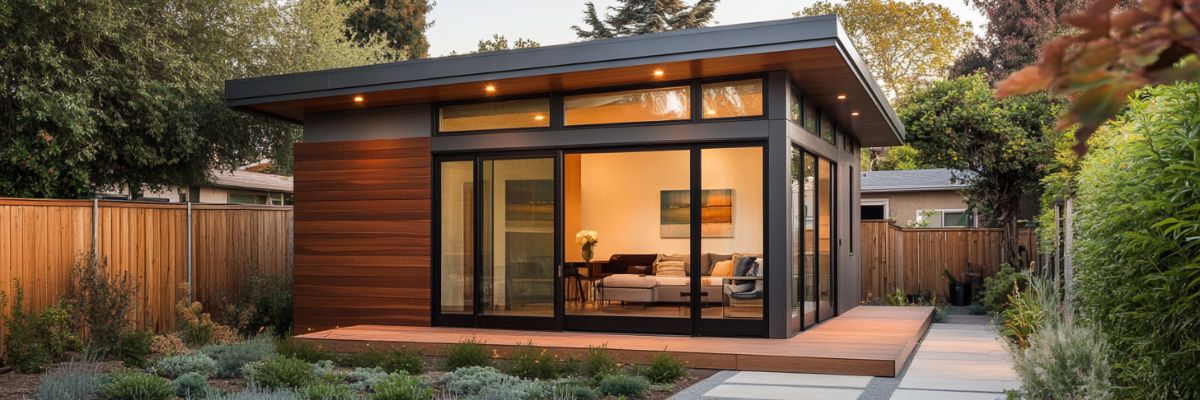
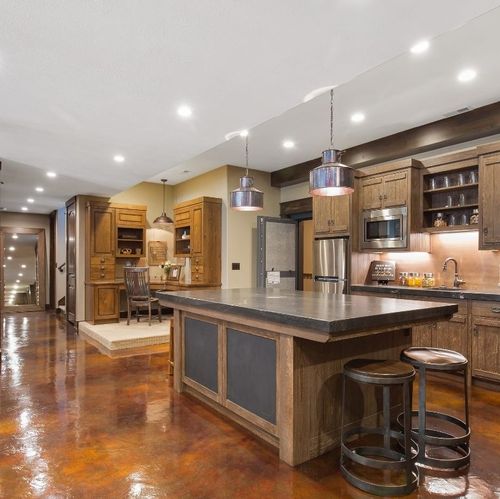
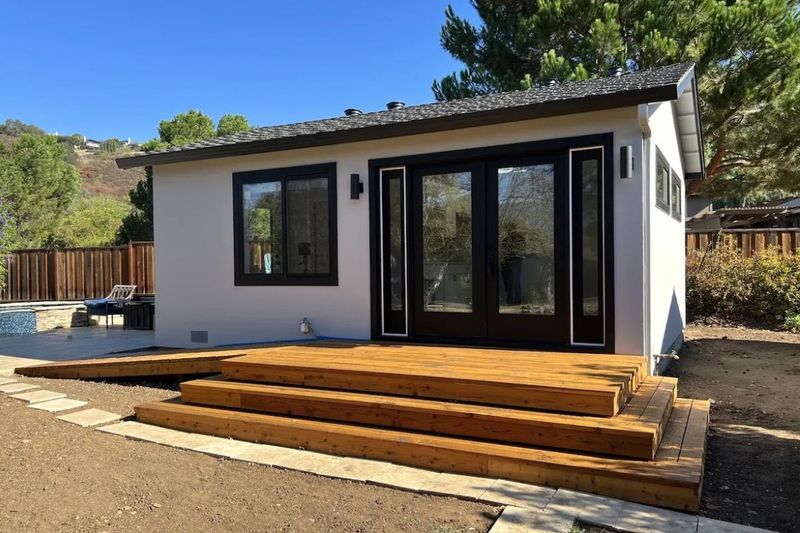
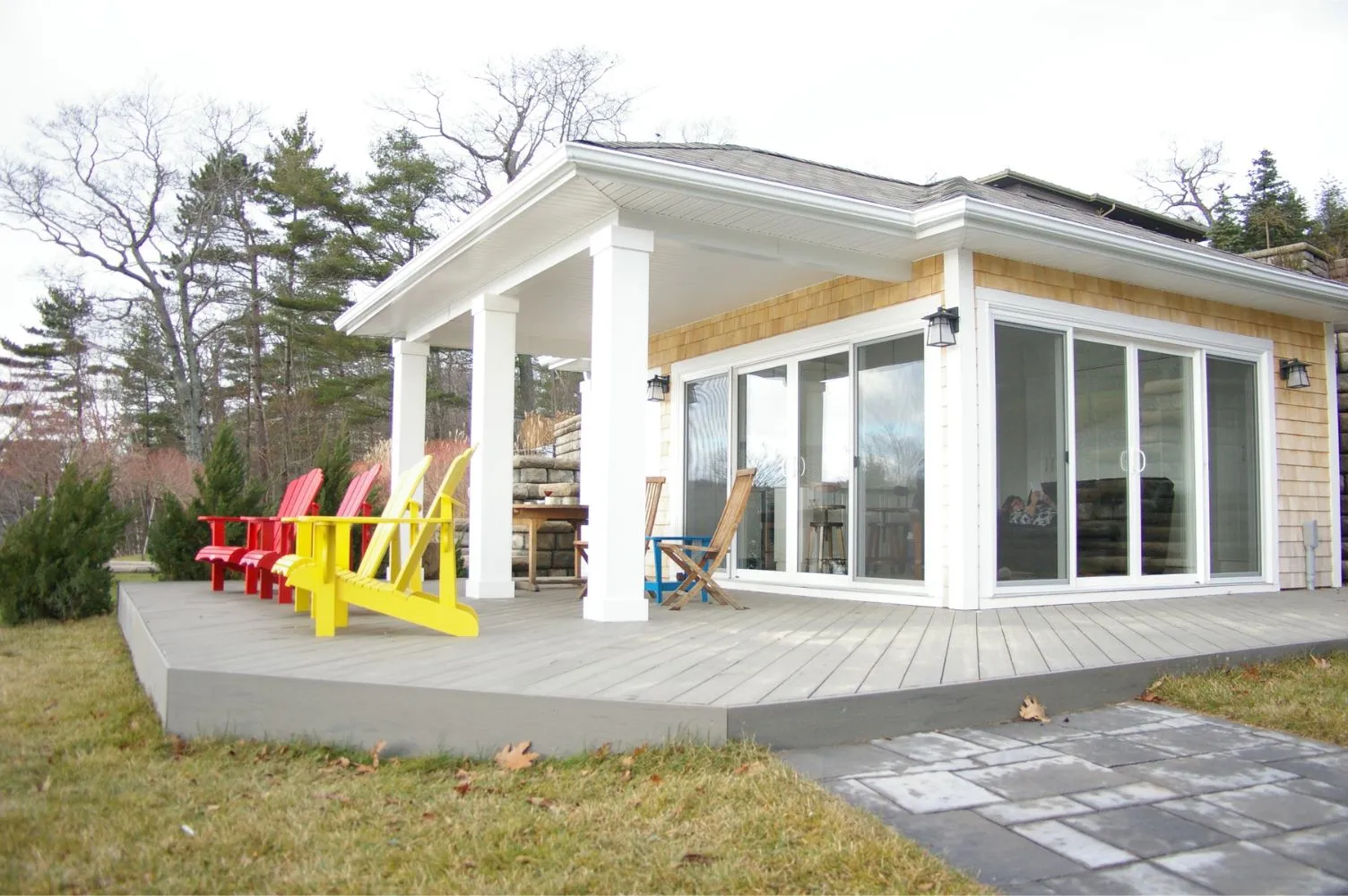
One of the most impactful changes for homeowners is the expanded permission for secondary suites and accessory dwelling units. Under the new by-law, most residential properties in Ottawa can now add a basement apartment as a secondary suite, or a garden suite, laneway home, or coach house as a detached ADU. These additions can generate significant rental income and increase property value. Explore the costs:
- Cost to build an ADU in Ottawa
- Cost to build a coach home in Ottawa
- Basement renovation permit requirements
More Housing Types Permitted As-of-Right
Previously, adding a triplex, fourplex, or small multiplex required a rezoning application. Under the new by-law, many of these conversions are now permitted as-of-right in N2 and N3 zones. This opens significant opportunities for:
- Building a legal duplex in Ottawa
- Building a triplex in Ottawa
- Cost to build a duplex in Ottawa
- Cost to build a triplex in Ottawa
Changes to Setbacks, Height Limits, and Lot Coverage
The new by-law has updated setback requirements, maximum building heights, and lot coverage limits across many zones. If you're planning a home addition, garage, or new structure, your allowances under the new rules may be different from what applied previously. Always confirm your current permissions before designing. See:
- Permit requirements for home additions
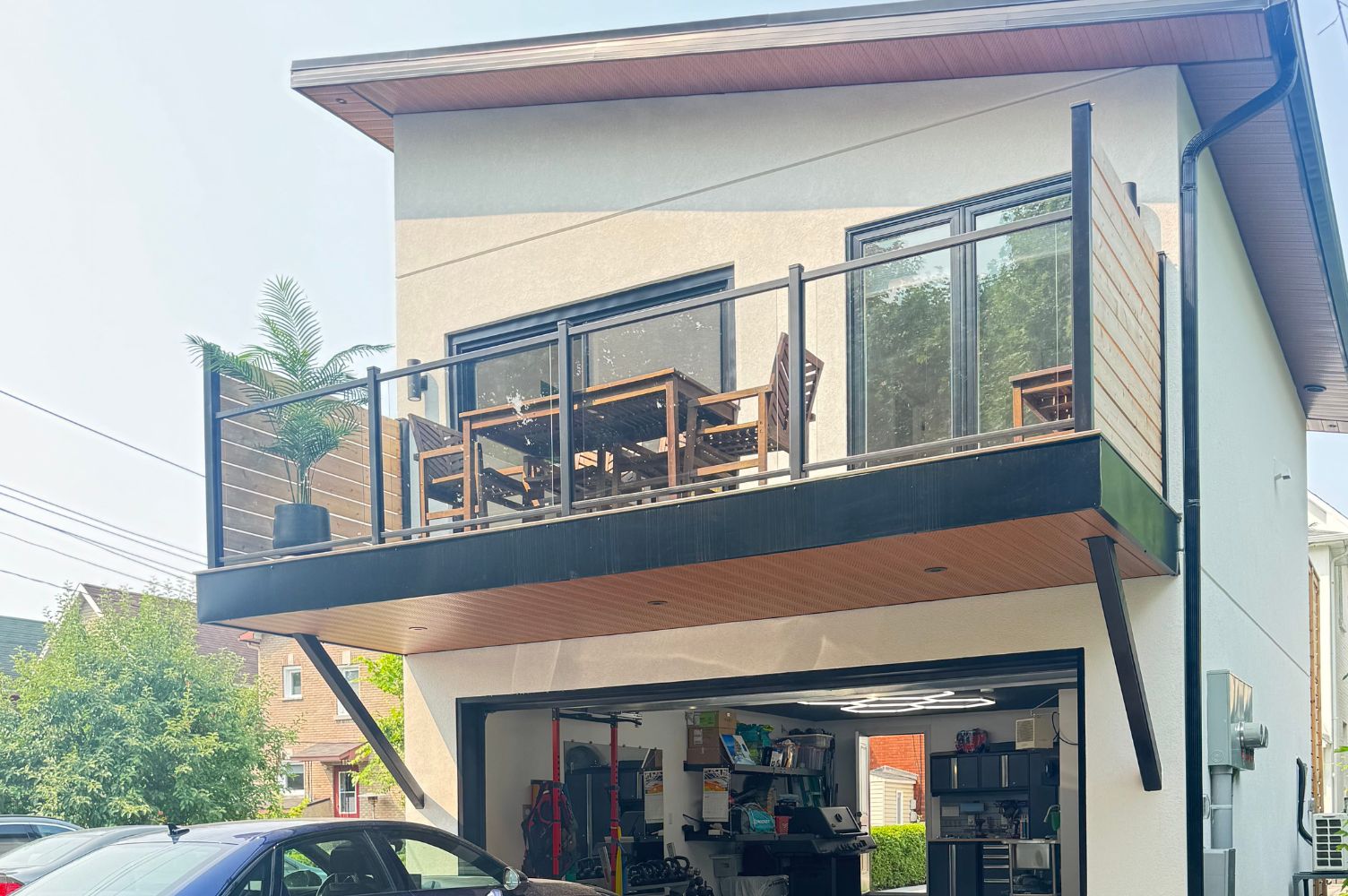
- Permit requirements for garage additions
- Home addition costs in Ottawa
How to Find Out What Zone Your Property Is In
Ottawa's new zoning map is publicly available through the City's online mapping tools. Visit Ottawa's GeoOttawa mapping portal, search your address, and select the Zoning layer to see your current designation. For a step-by-step walkthrough, see our guide on how to check your new zoning classification in Ottawa.
What Is the Timeline for Implementation?
Ottawa's new Zoning By-law was introduced in draft form in 2023 and has gone through multiple rounds of public consultation. Draft 2 was released in late 2024 with additional revisions. The by-law is expected to be finalized and come into full force in 2025–2026.
How Permits and Zoning Work Together
Your building permit application must comply with both the Ontario Building Code and Ottawa's zoning by-laws. A project that meets building code requirements can still be refused if it violates zoning rules. For a full guide to the permit process in Ottawa, see our article on how to get a building permit in Ottawa.
How Ottawa General Contractors Can Help
Ottawa's new zoning framework creates genuine opportunities — but navigating it requires knowing what your property allows and how to act on it. Whether you're adding a basement suite, building a coach home, adding a garage, or planning a full addition, we'll make sure your project is designed to maximize your property's potential within the new zoning framework. Contact us today to get started.
Planning a home addition in Ottawa? OGC builds custom home additions — second storeys, in-law suites, garages, sunrooms, and more. Get a free quote.
.jpeg)
.jpg)