.svg)
How to Rent Out Your Backyard Suite in Ottawa Legally
Backyard Suites Are a Real Income Opportunity — But Only If You Do It Right
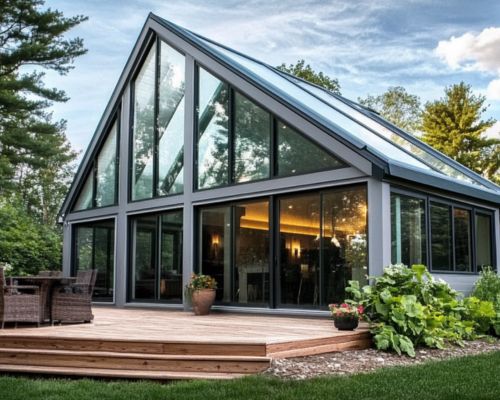
Ottawa’s backyard suites — also called coach houses, garden suites, or accessory dwelling units (ADUs) — are one of the most compelling income opportunities available to Ottawa homeowners right now. A well-built, legal suite can generate $1,500–$2,200+ per month in rental income, offset your mortgage substantially, and add significant value to your property.
But the word “legal” is doing a lot of work in that sentence. An illegal secondary suite — one built without permits, that doesn’t meet Ontario Building Code requirements, or that isn’t properly zoned — exposes you to fines, forced closure, insurance voidance, and potential liability if a tenant is injured.
This guide walks through every step of renting out a backyard suite in Ottawa legally, from permitting and construction through to tenancy setup and tax obligations.
OGC builds legal, permit-ready coach houses and backyard suites across Ottawa. Get a free quote or explore our guide to connecting utilities to your backyard suite.
Step 1: Confirm Your Property Is Eligible
Not every Ottawa property can have a backyard suite. Before investing in planning or design, confirm the following:
- Lot type: Under current City of Ottawa rules, coach houses are permitted on lots with a single-family dwelling, semi-detached dwelling, duplex, or certain townhomes (those with frontage on two public roads or a laneway and a road)
- No existing secondary unit: Lots that already have a secondary dwelling unit within the primary residence, a garden suite, or rooming units do not qualify to also build a coach house under current rules
- Serviced lot: Urban coach houses must connect to municipal water and sewer from the primary home’s existing connection. For rural lots, a Site Plan Control Application is required first to confirm on-site water suitability
- Zoning: Confirm your lot’s zoning classification permits additional dwelling units. Under Ottawa’s new Zoning By-law 2026-50 (expected to take full effect September 2026), up to four units are permitted as-of-right on serviced lots in N1 residential zones — a major expansion of current rules
Use the City of Ottawa Zoning Map to confirm your zoning, and read our guide on Ottawa’s New Zoning By-Laws to understand how the 2026 changes may affect your property.
Step 2: Get a Building Permit
A building permit from the City of Ottawa is mandatory for any new coach house or backyard suite. There are no shortcuts here — proceeding without a permit exposes you to stop-work orders, fines, and the potential forced removal of the structure.
To obtain a building permit, you’ll need:
- Architectural drawings prepared by a qualified designer or architect, showing the proposed coach house layout, dimensions, and construction details
- A site plan showing the location of the coach house on the lot, setbacks from all lot lines, and distance from the primary residence
- Compliance with Ottawa’s coach house setback requirements: typically 1 metre from side and rear lot lines, and minimum separation from the main dwelling
- Confirmation of utility servicing arrangements (water, sewer, electrical, gas if applicable)
Ottawa building permits for new residential structures typically take 4–8 weeks to process. Factor this into your project timeline. OGC manages the complete permitting process on behalf of its clients — from drawing preparation through permit issuance and all required inspections. For a full walkthrough of the Ottawa building permit process, see our guide: How to Get a Building Permit in Ottawa.
Step 3: Meet Ontario Building Code Requirements
A legal backyard suite must comply with the Ontario Building Code across all of the following categories:
Fire Safety
- Fire separation between the suite and any attached or adjacent structures
- Interconnected smoke alarms and carbon monoxide detectors
- Minimum two means of egress (exits) from the unit
- Egress windows of sufficient size for emergency escape
Minimum Standards
- Minimum ceiling height of 1.95 metres (6 feet 5 inches) in all habitable spaces
- Minimum room sizes per Ontario Building Code
- Adequate natural light and ventilation in all habitable rooms
Self-Contained Unit Requirements
- Private entrance (the unit cannot be accessed only through the primary residence)
- Independent kitchen with its own plumbing
- Independent bathroom with toilet, sink, and shower or bath
- Separate electrical panel or sub-panel
- Independent heating (or a separate controllable heating zone)
Structural and Envelope
- Foundation appropriate for the structure and soil conditions
- Insulation and air barrier meeting current Ontario Building Code energy performance requirements
- Weatherproof building envelope
These aren’t optional — they’re the baseline for a legal occupancy permit. A coach house that doesn’t pass its final inspection cannot be legally occupied, and therefore cannot be legally rented. For full details on utility connections, see our guide: Connecting Utilities to Your Backyard Suite in Ottawa.
Step 4: Obtain an Occupancy Permit
Once construction is complete and all required City of Ottawa inspections have been passed, you’ll receive an Occupancy Permit. This is the document that confirms your suite is legally habitable. You cannot legally rent the unit until this permit is issued.
Required City inspections during construction typically include: foundation, framing, rough-in plumbing and electrical, insulation, and final inspection.
Step 5: Update Your Insurance
This step is critical and frequently skipped: notify your insurance company or broker before renting the suite. Renting a secondary dwelling unit without informing your insurer can void your homeowner’s policy entirely — including coverage on your primary residence.
You’ll typically need to:
- Add a “rental dwelling” endorsement to your existing homeowner’s policy, or
- Obtain a separate landlord insurance policy for the suite
- Confirm liability coverage is adequate for a rental unit ($1M+ is standard)
The City of Ottawa’s own coach house guidance notes that your property taxes may also change as a result of adding a coach house, as assessed by MPAC.
Step 6: Understand Ontario Landlord-Tenant Law
Once you have a legal, permitted backyard suite and a tenant, you’re a landlord under Ontario’s Residential Tenancies Act. Key obligations and rights:
- Written lease: Use the Ontario Standard Lease form, which is mandatory for most residential tenancies
- Rent deposit: You may collect a rent deposit of no more than one month’s rent
- Rent increases: Subject to Ontario’s annual rent increase guideline for existing tenants
- Tenant rights: Tenants have strong protections in Ontario. Understand your obligations regarding maintenance, entry notice, and dispute resolution through the Landlord and Tenant Board before you take on a tenant
- Exempt from RTA?: If you share a kitchen or bathroom with your tenant (uncommon in a true coach house), different rules may apply — consult a lawyer
Step 7: Report Rental Income for Tax
Rental income from a backyard suite is taxable income under the Income Tax Act and must be reported on your annual T1 tax return. However, as a landlord you can deduct a pro-rated share of eligible expenses against that rental income:
- Mortgage interest (on the portion of your home attributable to the rental unit)
- Property taxes (pro-rated)
- Insurance (rental portion)
- Utilities (if included in rent)
- Maintenance and repairs
- Depreciation (CCA) — though claiming CCA may trigger capital gains implications on sale
Consult an accountant familiar with Canadian rental property taxation before your first rental year. The Canada Revenue Agency’s Rental Income Guide (T4036) is the authoritative reference.
What About Short-Term Rentals (Airbnb)?
Ottawa’s short-term rental rules are strict. Under City of Ottawa By-law 2021-104, short-term rentals are only permitted in an owner’s principal residence. This means a backyard coach house — which is a separate dwelling, not your principal residence — generally cannot be legally listed on Airbnb or other short-term rental platforms in Ottawa. Non-compliance can result in fines of up to $100,000 per day. If short-term rental income is your goal, consult a lawyer to confirm what’s permissible in your specific situation before proceeding.
Development Charges: Good News for Ottawa ADU Builders
As of September 18, 2020, coach houses and secondary dwelling units in Ottawa are exempt from development charges under provincial legislation. This is a significant saving — development charges for new residential units in Ottawa can run $20,000–$40,000+ — and makes the financial case for building a legal backyard suite considerably stronger.
Build a Legal Suite With OGC
OGC has built coach houses and secondary suites across Ottawa — fully permitted, Ontario Building Code compliant, and ready to rent from day one. Our team handles everything: design, permits, utility connections, construction, and final inspection.
- Explore OGC’s Custom Home and ADU Building Services
- Connecting Utilities to Your Backyard Suite in Ottawa
- Use the Ottawa Custom Home Cost Calculator
- Request a Free Quote for Your Coach House or ADU
Related reading: How to Get a Building Permit in Ottawa | Ottawa’s New Zoning By-Laws | Do You Need a Permit for a Basement Renovation in Ottawa?
.jpeg)