.svg)
How Close Can You Build? A Guide to Property Line Setbacks in Ottawa
One of the most common questions Ottawa homeowners and builders ask when planning a project is: how close to the property line can I build? The answer depends on your zone, the type of structure, and whether it's attached or detached from the main dwelling — all governed by Ottawa's Zoning By-law, which was significantly updated in 2026.
This guide explains Ottawa's property line setback requirements for homes, additions, garages, decks, accessory structures, and garden suites under the new 2026 zoning rules. For context on how the 2026 by-law changed these rules, see our guide on Ottawa's new zoning by-laws.
What Is a Setback?
A setback is the minimum required distance between a structure and a property line. Setbacks apply to all four sides of a lot: front yard (street-facing), rear yard, and the two side yards (interior and exterior if on a corner). Every structure on the property — the house, garage, deck, shed, and garden suite — must meet the applicable setbacks.
Setbacks serve multiple purposes: they maintain light and air between buildings, preserve privacy, allow emergency access, and prevent structures from encroaching on adjacent properties or municipal rights-of-way.
Ottawa Setback Requirements by Zone (2026)
| Zone | Front Yard | Rear Yard | Interior Side Yard | Exterior Side Yard (Corner) |
|---|---|---|---|---|
| N1 (Neighbourhood Core) | 3–6 m | 7.5 m | 1.2–1.5 m per side | 3 m |
| N2 (Neighbourhood Edge) | 3–5 m | 6 m | 1.2 m per side | 3 m |
| N3 (Neighbourhood General) | 3 m | 6 m | 1.2 m per side | 2.5 m |
| Rural Residential | 6–9 m | 15 m | 3 m per side | 6 m |
Note: These are general reference figures. Always verify your specific zone's setback requirements through the City of Ottawa's zoning maps or check your zoning classification before designing.
Setbacks for Specific Structure Types
Main Dwelling (House)
The setbacks in the table above apply to the main house. For custom home builds, the front setback is often determined by the "established setback" of the street — the City may require your home to be set back consistent with neighbouring homes rather than simply meeting the minimum. This can limit how close to the street you can build even if the zoning minimum would permit closer placement.
Attached Garage
An attached garage is part of the main dwelling and must meet the same setbacks as the house. If the garage door faces the street, the garage face must typically be set back at least 6 metres from the front lot line to allow a car to park in the driveway without overhanging the sidewalk. For full details, see our Ottawa garage building guide.
Detached Garage
A detached garage in the rear yard is treated as an accessory structure and has different (generally smaller) setbacks than the main house:
- Typically 0.5–1.0 m from the rear lot line in most N1/N2 zones
- Typically 0.6–1.0 m from the side lot line
- Must not encroach into the required rear yard setback of the main dwelling
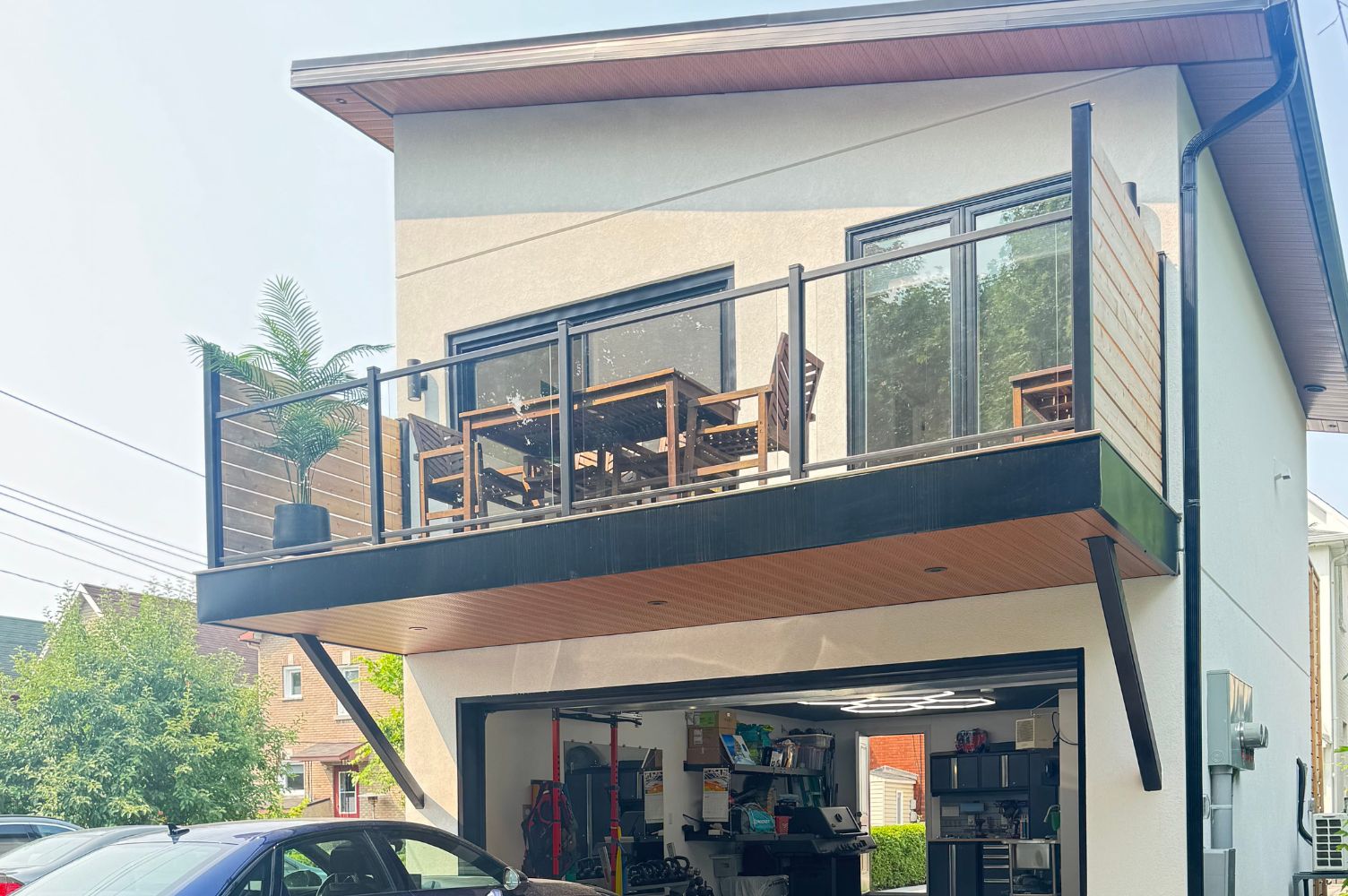
If the detached garage includes a dwelling unit above (coach home or loft apartment), it is no longer treated as an accessory structure — it becomes an ADU and must meet ADU-specific setbacks and performance standards. See garage addition permit requirements.
Deck
Decks must also meet setback requirements. Ground-level decks (under 0.6 m above grade) generally have reduced setback requirements and may be permitted closer to property lines. Elevated decks (above 0.6 m) are typically subject to the same setbacks as the main structure. A deck attached to the house must meet the house setbacks; a freestanding deck in the rear yard is treated more like an accessory structure.
Garden Suite / Coach Home / ADU
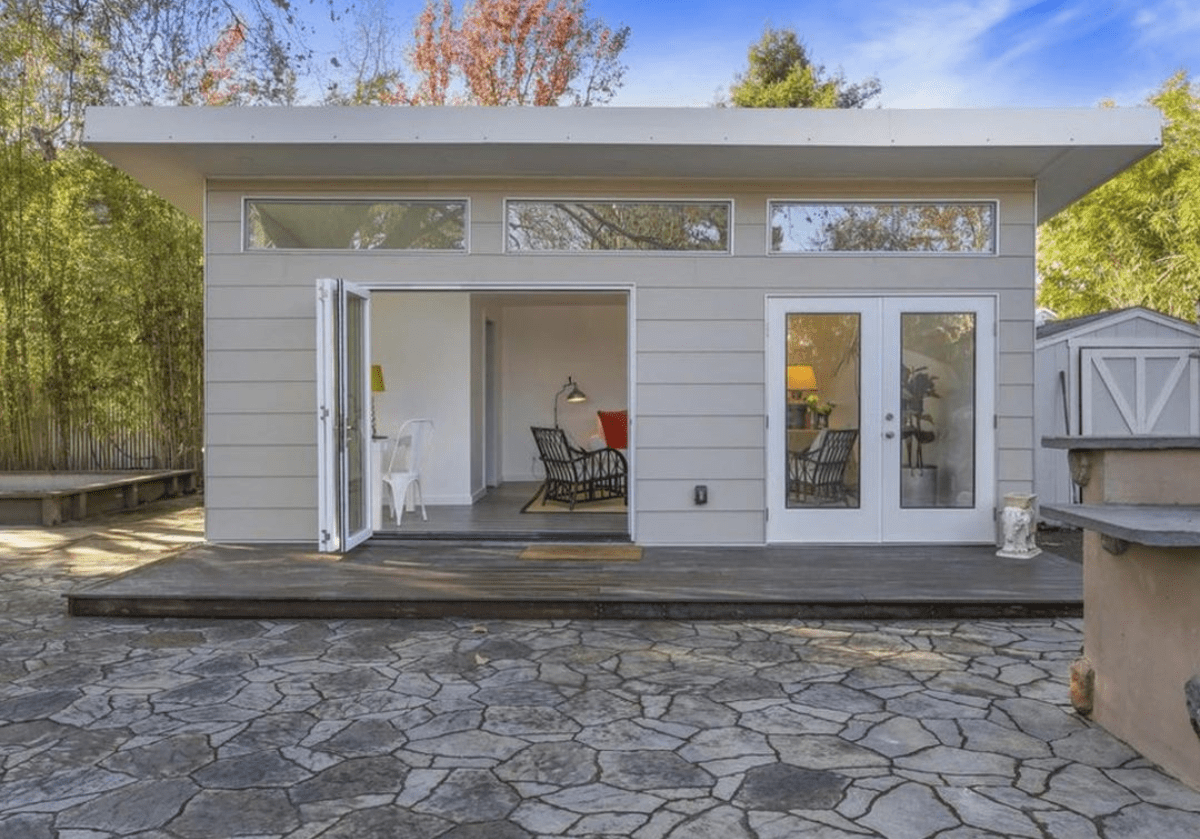
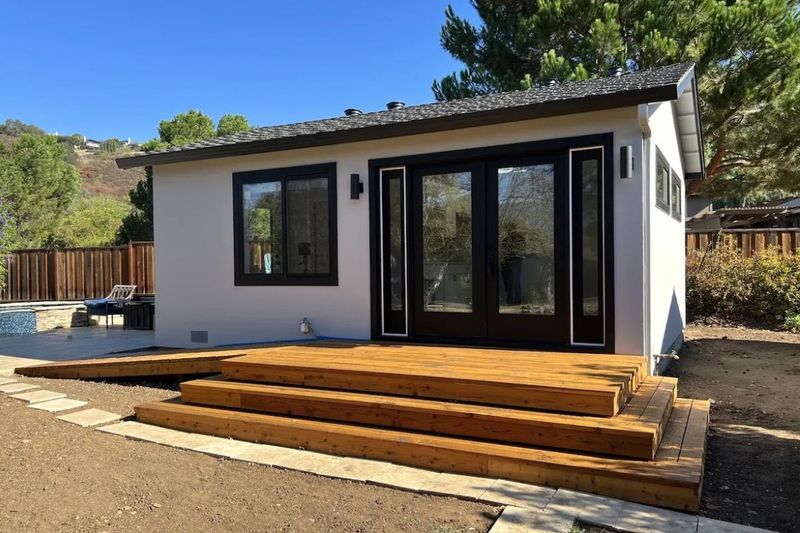
Under Ottawa's 2026 zoning by-law, accessory dwelling units in the rear yard have specific setback requirements that differ from the main dwelling:
- Rear lot line: Typically 1.0–1.5 m
- Side lot line: Typically 0.6–1.0 m
- From the main dwelling: Typically 1.0–1.5 m separation required
See our guides on ADU costs in Ottawa and connecting utilities to your backyard suite for full project context.
Sheds and Small Accessory Structures
Sheds and small accessory structures under 10 square metres (108 sq ft) generally do not require a building permit in Ottawa, but they still must comply with setback requirements — typically at least 0.5–1.0 m from all lot lines. A shed placed on the property line without meeting setbacks is a zoning violation even without a permit requirement.
What Happens If You Violate Setbacks?
Building within the required setback without a zoning variance is a violation of the Zoning By-law. Consequences include:
- Refusal of the building permit application
- Zoning violation order requiring removal or relocation of the structure
- Complications at resale (title search may reveal setback violations)
- Potential fines under the Planning Act
What Is a Minor Variance?
A minor variance is an application to the City of Ottawa's Committee of Adjustment for permission to build closer to a property line than the Zoning By-law normally permits. Minor variances are granted when the departure from the standard is genuinely minor, meets the four tests in the Planning Act, and is not opposed by neighbours or planning staff. The process typically takes 2–4 months and costs $1,500–$5,000 including application fees and professional fees.
How to Check Your Setbacks Before You Design
Before finalizing any design, confirm your property's zone and the applicable setbacks:
- Check your zone at Ottawa GeoOttawa
- Review the setback standards for your zone in the City of Ottawa Zoning By-law
- Have your property surveyed if you're unsure of the exact lot lines
- Work with an architect or designer who is familiar with Ottawa's zoning requirements
For zoning classification guidance, see how to check your new zoning classification in Ottawa.
Work With Ottawa General Contractors
Getting setbacks right is fundamental to every successful construction project. At Ottawa General Contractors, we review zoning requirements at the start of every project and coordinate with designers to ensure your plans work within the applicable rules. Contact us today to discuss your project.
.jpeg)