.svg)
How Ottawa's New Zoning Bylaw 2026 Affects Custom Home Building
Ottawa's New Zoning Bylaw 2026 Affects Custom Home Building
Ottawa's new Zoning By-law 2026-50, approved unanimously by City Council on January 28, 2026, is the most significant overhaul of Ottawa's land use rules in decades. For anyone planning to build a custom home in Ottawa, understanding how these changes affect lot eligibility, permitted density, setbacks, and design is essential before you purchase land or finalize plans.
This guide breaks down the key changes and what they mean specifically for custom home builders.
OGC's team knows the 2026 by-law inside out. Explore OGC's custom home builders in Ottawa or request a free consultation.
The Core Change: Up to Four Units As-of-Right
The headline change under Zoning By-law 2026-50 is that up to four dwelling units are now permitted as-of-right on fully serviced residential lots in N1 zones, without requiring a zoning amendment or Committee of Adjustment approval. This means a single lot can now support:
- A primary custom home
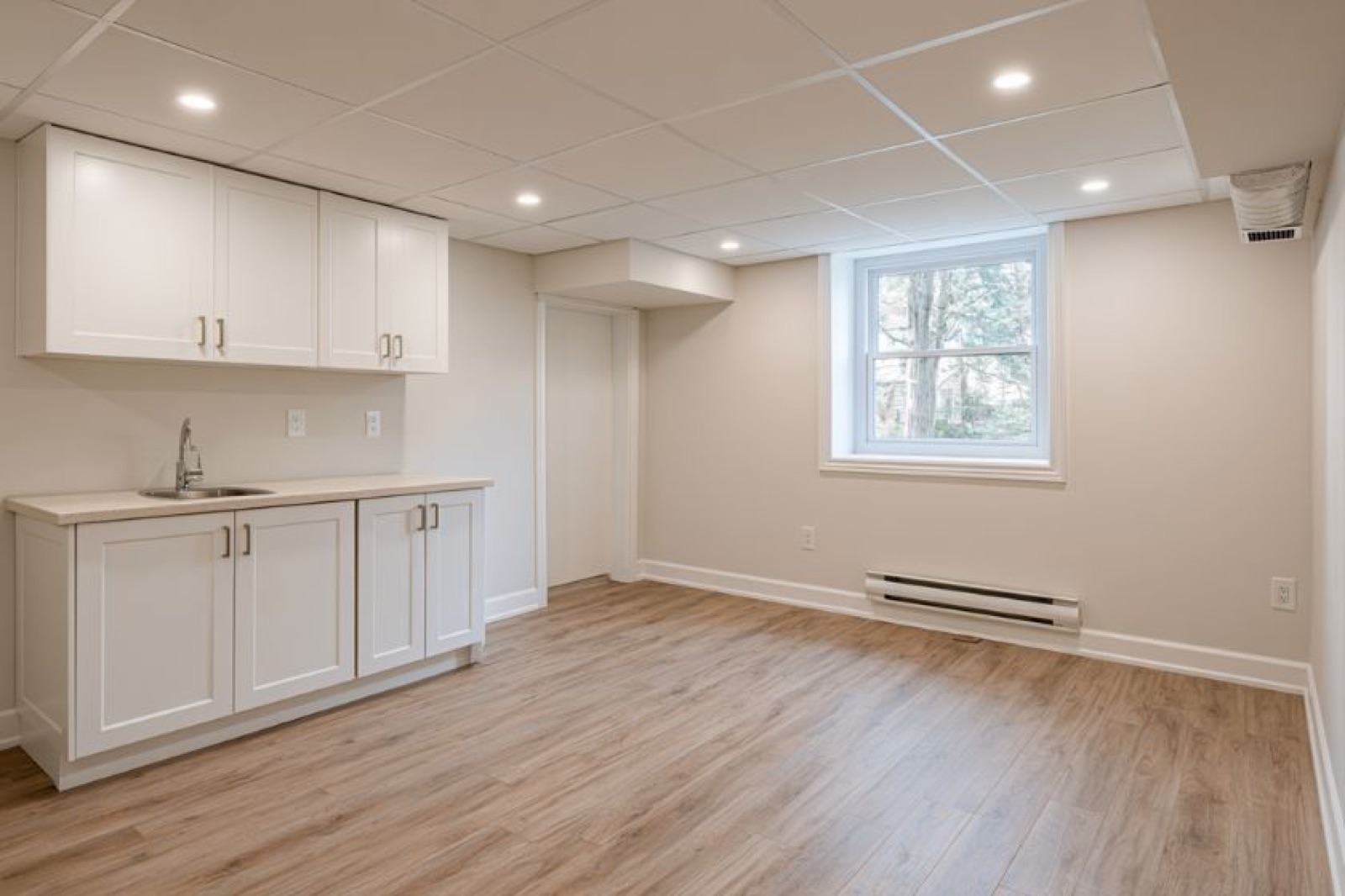
- A secondary suite within the home (basement apartment, main-floor side suite)
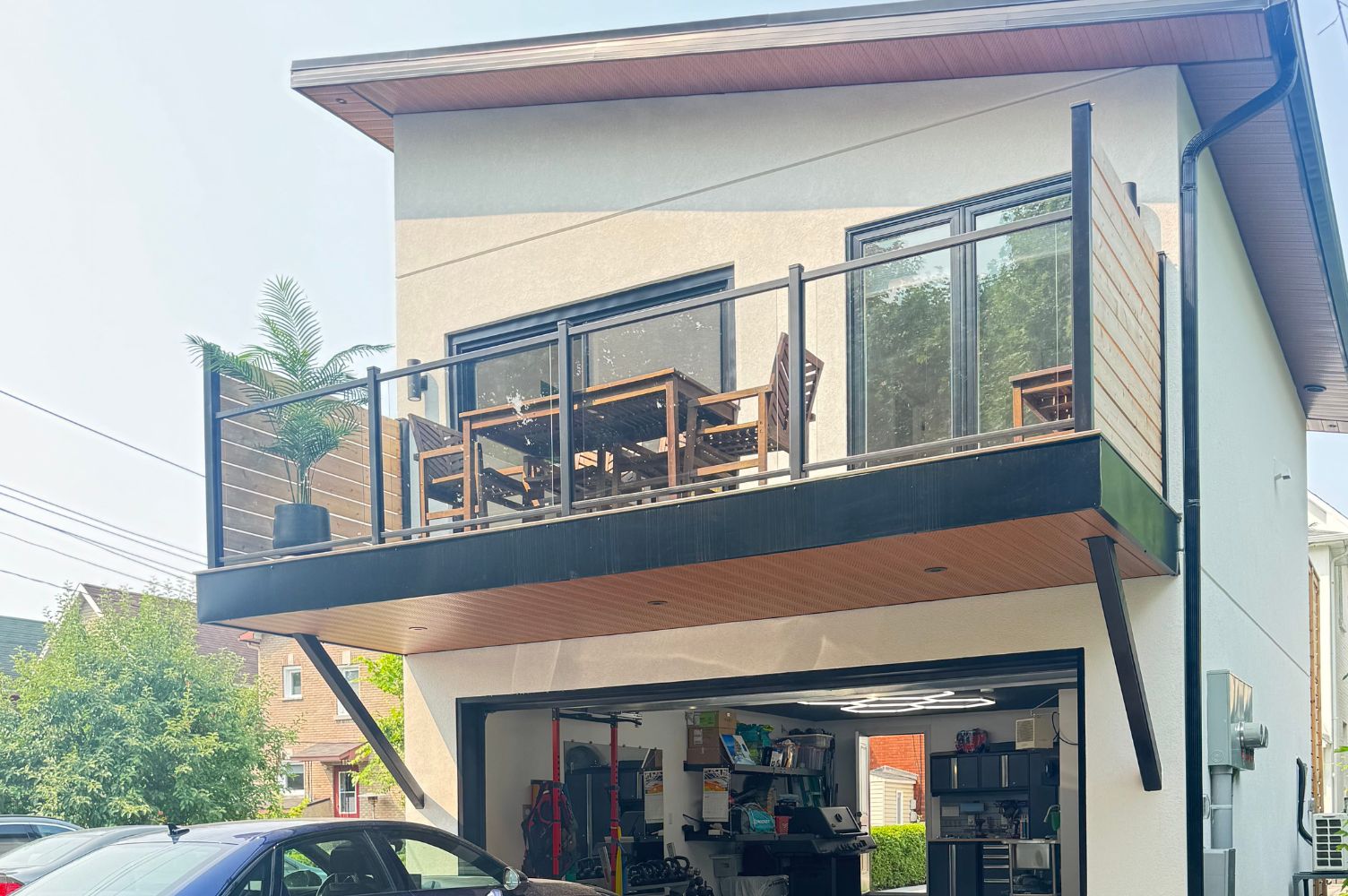
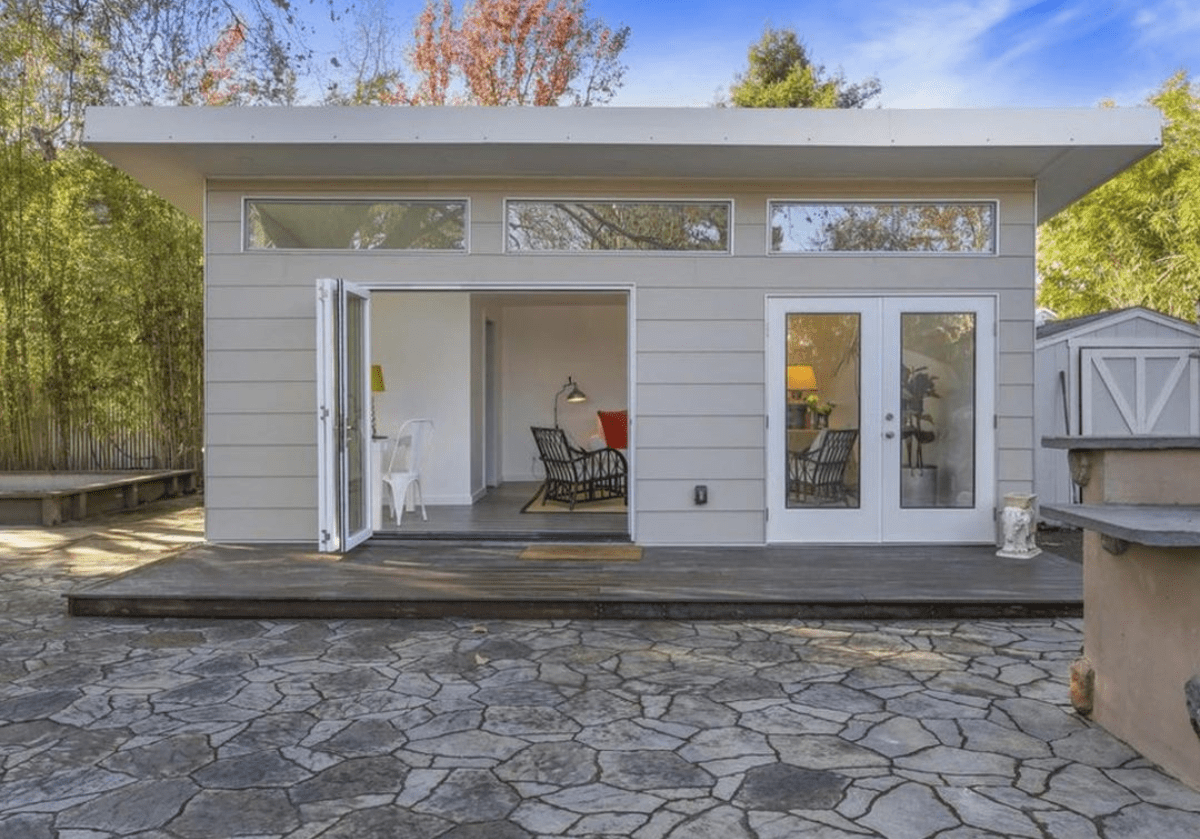
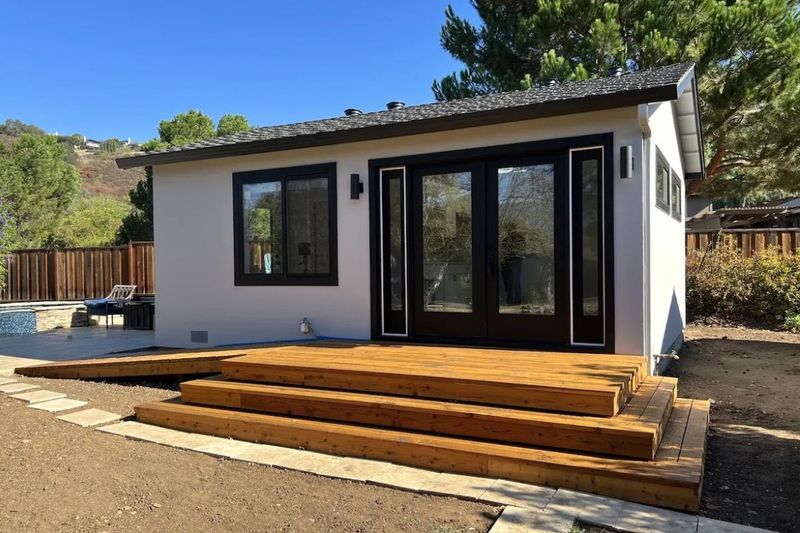
- A detached garden suite or coach house in the backyard
- A fourth unit, depending on lot configuration
For custom home buyers, this is a significant opportunity. You can design your custom home from day one with income-generating suites built in — maximizing the return on your land investment without any additional approvals.
New Zoning Classification: What N1 Means for Custom Home Builders
Ottawa's 2026 by-law replaces the previous R1/R2/R3/R4 zoning system with a new N (Neighbourhood) classification. N1 is the primary low-rise residential zone that covers most single-detached and semi-detached neighbourhoods across Ottawa.
Under N1 zoning:
- Up to four units permitted as-of-right on serviced lots
- No parking minimums for additional dwelling units in urban and suburban areas
- Simplified setback rules compared to the old by-law
- Height limits and lot coverage maximums still apply — verify specifics for your lot
Read our detailed breakdown: Ottawa N1 Zoning Rules — What You Can Build.
Transition Period: Which Rules Apply Right Now?
The new Zoning By-law 2026-50 was approved January 28, 2026, but is subject to an Ontario Land Tribunal appeal period. During the transition (expected to end around September 2026), the more restrictive provisions of both the current and new by-laws apply.
In practical terms, this means you should verify with the City of Ottawa which rules govern your specific permit application at the time of submission. OGC's team navigates this on behalf of every client — confirming which by-law provisions apply before any design work is finalized. Read our full guide: Ottawa's New Zoning By-Laws — What You Need to Know.
Setbacks and Building Envelope
The 2026 by-law adjusts setback requirements across many zones. For custom home builders, the most important setback rules to verify are:
- Front yard setback: Generally aligned with the established streetline of adjacent homes in infill situations
- Rear yard setback: Reduced in many N1 zones, giving more usable building footprint depth
- Side yard setback: Minimum 1.2–1.5 metres depending on zone and structure height
- Accessory structure setbacks: Garden suites and coach houses typically require 1 metre from rear and side lot lines
These setbacks directly determine your buildable envelope — the area of the lot where your home can physically sit. Always have your builder sketch the buildable envelope against your intended design before purchasing any lot. See our lot selection guide: Custom Home Lot Selection Ottawa: What to Look For.
Height and Lot Coverage
The 2026 by-law maintains height and lot coverage limits in residential zones, though specific numbers vary by subzone. For custom home planning purposes:
- Maximum building height in most N1 zones: 11 metres (approximately 3 storeys)
- Lot coverage (footprint of all structures as a percentage of lot area): typically 40–55% depending on subzone
- Accessory structures (garden suites, garages) count toward lot coverage
If your custom home design requires height or lot coverage beyond what your zone permits, a minor variance through the Committee of Adjustment may be required. OGC manages this process where needed. Read: How to Apply for a Zoning Variance in Ottawa.
What This Means for Infill Custom Home Builds
Ottawa's urban neighbourhoods — Westboro, Glebe, Hintonburg, Alta Vista, and others — have seen strong demand for infill custom homes (teardown and rebuild on existing lots). The 2026 by-law impacts infill builds in a few key ways:
- More density permitted: Infill lots that previously supported only a single-family home can now accommodate a custom home plus secondary suites as-of-right
- Urban design policies still apply: Ottawa's urban design guidelines for compatible infill remain in effect — new builds must be compatible with neighbourhood character
- Parking minimums reduced: Eliminating parking minimums for secondary units removes a constraint that previously blocked some infill designs
Budget and Cost Implications
The 2026 by-law changes have direct cost implications for custom home builders:
- Development charges: Secondary suites (SDUs and ADUs) remain exempt from development charges under provincial legislation — building your custom home with a suite included costs significantly less in charges than adding it later
- Design complexity: Multi-unit custom homes are more complex to design and permit than single-family builds — budget for more detailed architectural and engineering work upfront
- Land value: Lots that can accommodate four units are worth more than equivalent lots under the old by-law — factor this into your lot purchase negotiations
Use OGC's Ottawa Custom Home Cost Calculator to build a realistic budget, and read our full cost guide: How Much Does It Cost to Build a Custom Home in Ottawa?
Work With a Builder Who Understands the 2026 Zoning By-law
Ottawa's new zoning by-law creates real opportunity for custom home builders — but only if your design team and contractor understand how to work within it. OGC builds custom homes across Ottawa and knows the 2026 by-law rules inside out.
- Explore OGC's Custom Home Builders in Ottawa
- Use the Ottawa Custom Home Cost Calculator
- Learn about OGC's Design + Build Process
- Request a Free Quote
Related reading: Ottawa's New Zoning By-Laws | Custom Home Lot Selection Ottawa | How to Get a Building Permit in Ottawa | Top Custom Home Builders in Ottawa for 2026
.jpeg)