.svg)
Building a Rental Property in Ottawa: What You Need to Know
Ottawa's rental market is one of the most compelling cases for income property investment in Canada right now. Purpose-built rental vacancy sits at 3.0% citywide, and in the condo rental segment, it's just 0.6%, less than half the national average of 1.3%. Average rents on new 2-bedroom leases are running around $2,300/month. The City expects to add roughly 530,000 residents by 2051, requiring over 118,000 new households by 2035 alone.
At the same time, Ottawa's new Zoning By-law (By-law 2026-50, in force March 2026) now permits four units as-of-right on virtually every residential lot in the city. Development charge exemptions under Bill 23 have eliminated $20,000–$40,000 in costs on garden suites and small multi-unit projects. And federal financing programs offer construction loans at rates well below what banks charge.
This guide covers everything you need to know before you build, from zoning and permits to real build costs, ROI analysis, financing programs, landlord law, and the most common mistakes Ottawa investors make.
Ottawa's Rental Market in 2026: The Investment Case
Before looking at what to build or what it costs, it helps to understand the demand picture you're building into.
Average rents (CMHC, 2025 data, purpose-built rental):
- Studio/bachelor: $1,332/month (up 13.6% over two years)
- 1 bedroom: $1,593/month (up 13.1% over two years)
- 2 bedroom: $1,916/month (up 13.2% over two years)
- 3 bedroom+: $2,090/month
These are in-place rents across the existing purpose-built stock. New-lease asking rents run significantly higher, approximately $1,850 for a 1-bedroom and $2,300+ for a 2-bedroom, because rent control keeps in-place rents below market. This gap is one of the strongest arguments for building new: your units start at market rent, with no below-market legacy tenants.
Vacancy across Ottawa's condo rental stock is 0.6%, meaning roughly 994 out of every 1,000 condo rental units in the city are occupied. In the most sought-after neighbourhoods (Westboro, Hintonburg, Centretown, Kanata tech corridor), vacancy approaches zero. Even with the slowdown in immigration in 2025, the structural undersupply of rental housing in Ottawa remains severe: the city estimates a shortage of approximately 40,000 homes relative to what's needed to house current residents at pre-shortage affordability levels.
Ottawa's population is projected to grow from 1.15 million today to 1.68 million by 2051, roughly 19,600 new residents per year. That demand has to live somewhere.
Types of Rental Properties You Can Build in Ottawa
Ottawa's 2026 zoning changes dramatically expanded what's legally buildable on a standard residential lot. Here's a breakdown of the most common rental property types, from lowest to highest capital commitment.
Basement Apartment (Secondary Dwelling Unit)
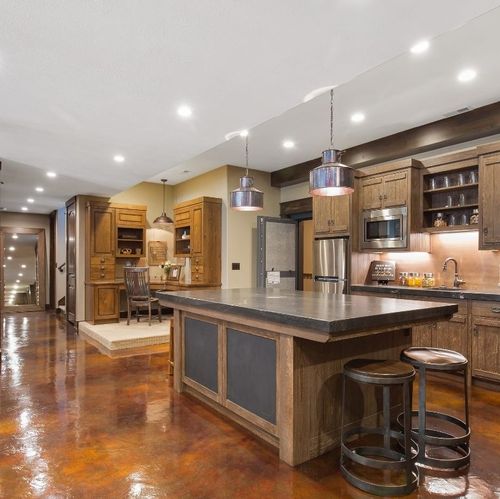
The lowest-cost entry point for rental income. A secondary dwelling unit (SDU) is an additional self-contained unit within your existing home, typically in the basement, but can be a main-floor conversion or a separate wing. SDUs are permitted as-of-right on essentially all serviced residential lots in Ottawa under the new by-law.
Build cost: $30,000–$150,000 depending on scope. A mid-range basement apartment (700–900 sq ft, full egress windows, new bathroom, kitchenette, firewall separation) typically runs $60,000–$120,000.
Rental income potential: $1,300–$1,700/month for a 1-bedroom basement unit in Ottawa.
Development charges: Interior secondary suites are exempt from development charges.
Full guide: Basement Apartments in Ottawa.
Garden Suite / Backyard Suite / Detached ADU
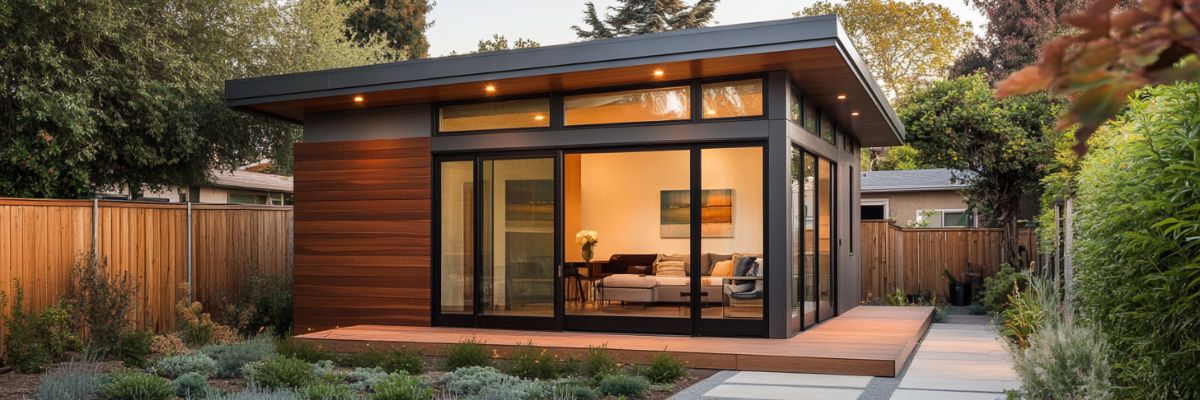
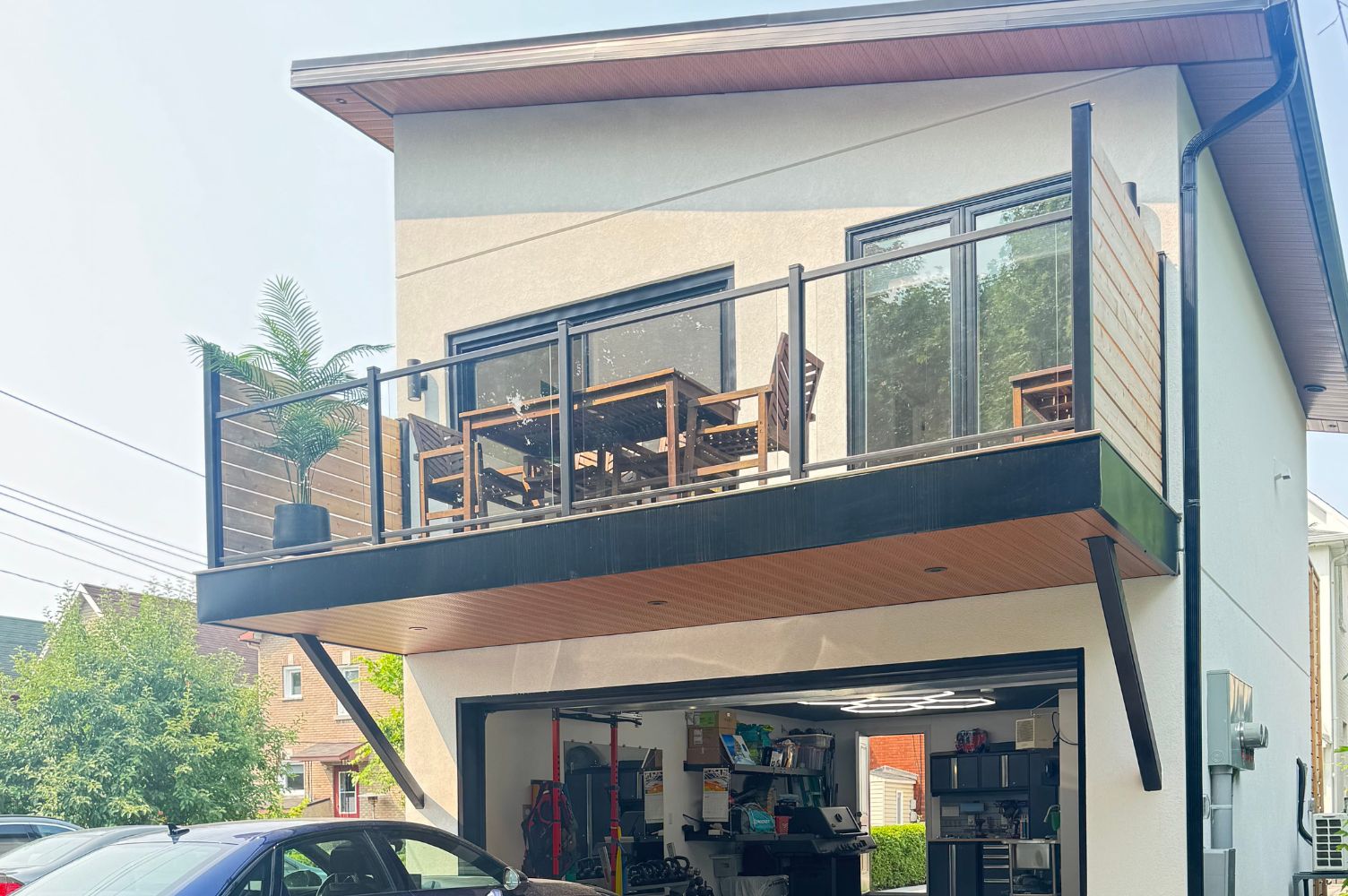
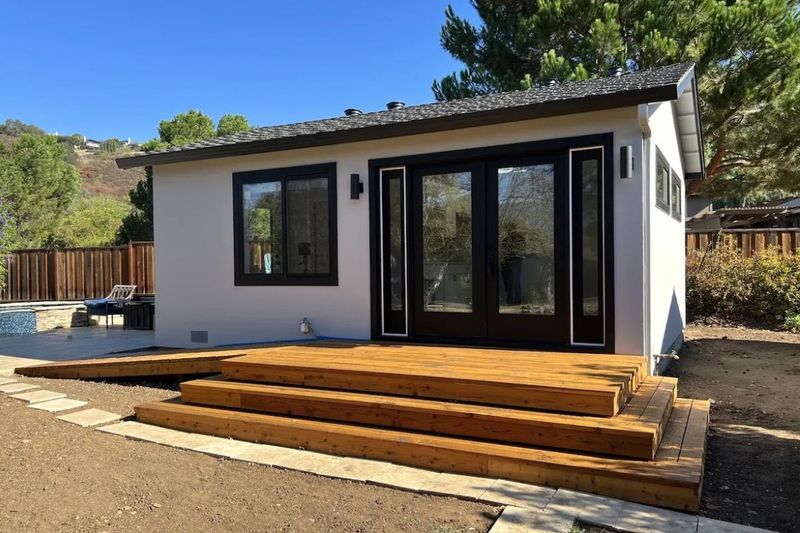
A fully detached rental unit built in the rear yard of your property. Garden suites became dramatically easier to build in Ottawa after the 2025–2026 zoning reform, and are now permitted on most serviced lots without any variance or rezoning required.
Build cost: $150,000–$400,000+ depending on size and finish.
- 400–500 sq ft: approximately $150,000–$200,000
- 500–700 sq ft: approximately $225,000–$300,000
- 700–1,000+ sq ft: approximately $300,000–$400,000+
Site costs (utility hookups, grading, landscaping restoration) typically add $15,000–$45,000 on top of construction.
Rental income potential: $1,600–$2,200/month for a well-designed 1–bedroom garden suite in Ottawa.
Development charges: Garden suites under 100 square metres (approximately 1,076 sq ft) are exempt from development charges under Bill 23, a saving of approximately $39,600 per unit compared to what a new apartment unit would otherwise attract.
See: Backyard Suite Design Ideas: 10 Floor Plans Under 600 Sq Ft, How Much Does It Cost to Build an ADU in Ottawa?
Legal Duplex
A building with two complete self-contained dwelling units, either stacked (one above the other) or side-by-side. Duplexes are permitted as-of-right in virtually all Ottawa residential zones under the new by-law.
Build cost (new construction): $910,000–$1,200,000 for a standard 2,800–3,200 sq ft duplex. Purpose-built duplexes run $325–$500/sq ft.
Rental income potential: $3,500–$4,200/month combined (both units).
See: How to Build a Legal Duplex in Ottawa, How Much Does It Cost to Build a Duplex in Ottawa?
Triplex or Fourplex
Three or four self-contained units on a single lot. Under Ottawa's new by-law, up to four units are permitted as-of-right on most serviced lots, which means a triplex or fourplex can now be built in most Ottawa neighbourhoods without a zoning amendment. This is a fundamental shift from the old by-law.
Build cost (new triplex): $1,170,000–$1,575,000 for a standard 3,600–4,200 sq ft triplex. Build costs run $325–$525/sq ft.
Rental income potential: $5,200–$6,400/month combined.
Development charges: A three-unit configuration on an existing residential lot qualifies for the Bill 23 three-unit DC exemption, eliminating development charge liability entirely. This can save $80,000–$120,000 on a project that would otherwise face DCs.
See: How to Build a Triplex in Ottawa, How Much Does It Cost to Build a Triplex in Ottawa?
Multiplex Conversion
Converting an existing single-family home into three or more units. Bill 23 and Ottawa's Housing Accelerator Fund commitments make this significantly more attractive than it was before 2023.
See: How to Convert Your Ottawa Home to a Multiplex.
Purpose-Built Low-Rise Apartment (5+ units)
A newly constructed apartment building, typically in an N3 or N4 zone. These projects attract CMHC MLI Select financing (see Section 7 below) and the Apartment Construction Loan Program, making the economics meaningful for developers willing to commit to 5+ units. The federal government committed $136 million in ACLP funding to Ottawa projects in 2025 alone, resulting in 316 new rental homes.
See: Ottawa N4 Zoning Rules.
Ottawa's New Zoning By-law: What It Means for Investors
On January 28, 2026, Ottawa City Council approved By-law 2026-50, which came into force on March 11, 2026. It replaced the previous by-law (By-law 2008-250), which had been in place for 18 years and had over 140 residential zoning subzones.
The most important change for rental property investors:
- Four units as-of-right on virtually every serviced residential lot in the city, with no zoning amendment required
- Three storeys (11 metres) permitted as-of-right in most residential areas
- Parking minimums eliminated in urban and suburban areas, removing a previous constraint on lot coverage and unit count
- Simplified zone structure: 140+ R-zone subzones replaced by N1–N6 Neighbourhood zones
Under the old by-law, adding a third unit in an R1 zone required a zoning amendment: a 9–18 month process that could cost $25,000–$75,000+ in professional and application fees before a single nail was driven. That barrier is now largely gone.
Not sure what zone your property is in? Start here: How to Find Out What You Can Build on Your Ottawa Property. Check your classification: How to Check Your New Zoning Classification in Ottawa.
Development Charges: What You'll Pay (and What Bill 23 Eliminated)
Development charges (DCs) are one-time fees levied by the City on new residential construction to fund the infrastructure needed to service growth. They are a significant cost that many first-time investors overlook.
Current Ottawa DC rates (2025, inside Greenbelt):
- Single or semi-detached home: approximately $81,700
- Large apartment unit (2 bedrooms or more): approximately $39,600
Bill 23 exemptions; what you don't have to pay:
- Interior secondary suites (basement apartments): Exempt from DCs
- Garden suites under 100 sq m (~1,076 sq ft): Fully exempt from DCs under Ontario Regulation 332/12, saves approximately $39,600
- Up to three units on a serviced residential lot: Exempt from DCs, Parkland Dedication fees, and Community Benefit contributions, a total saving that can reach $120,000 on a three-unit project
In October 2025, Ottawa City Council also approved an interest-free 18-month DC deferral for rental residential projects, meaning where DCs do apply, investors can defer payment for 18 months from permit issuance without carrying costs.
For purpose-built rental projects of 5+ units, development charges are payable at occupancy (not at permit issuance) following the November 2025 amendment to the Development Charges Act, a cash flow improvement for larger projects.
What It Actually Costs to Build a Rental Property in Ottawa (2025–2026)
Build costs in Ottawa have been under pressure from construction inflation and labour shortages. Here is a realistic breakdown based on current market data.
Soft Costs: The Budget Item Investors Most Often Underestimate
Hard costs (labour and materials) are only part of the picture. Soft costs add 15–30% on top of hard construction costs and include:
- Architectural and engineering design fees: $8,000–25,000+
- Survey (if required): $2,000–6,000
- Building permits (Ottawa): approximately $12–20 per $1,000 of construction value; plus $400–1,400 per trade permit (electrical, plumbing, HVAC)
- Development charges (where applicable)
- Construction financing interest costs
- Utility hookup fees: $10,000–25,000 for a detached garden suite
- HST on new construction (input tax credits may partially offset this for investors)
For a $300,000 garden suite, expect $45,000–90,000 in soft costs for an all-in range of $345,000–$390,000. Plan for soft costs; don't budget on hard costs alone.
See: How to Get a Building Permit in Ottawa. For basements specifically: Do You Need a Permit for a Basement Renovation in Ottawa?
Building Permits and Code Compliance
Every rental unit in Ottawa must be built with proper permits. The Ontario Building Code sets minimum standards for:
- Ceiling height: Minimum 1.95 metres for basement suites (1.8m permitted in some conditions)
- Egress windows: Minimum 0.35 sq m net clear opening; minimum 0.38m width and 0.38m height
- Fire separation: Minimum 30-minute fire separation between units; 60 minutes in many configurations
- Smoke and carbon monoxide detectors: Required in each bedroom and on each storey
- Separate metering: Not mandatory, but strongly advisable for investor units (separate hydro metering protects cash flow)
Unpermitted rental units create serious legal, insurance, and safety risks. An unpermitted unit can trigger an order to vacate, removal of the unit, and difficulty refinancing or selling. There are no shortcuts here.
Financing Your Ottawa Rental Property Build
The financing landscape for Ottawa rental construction has improved materially in the last two years. Here are the key programs available in 2026.
Canada Secondary Suite Loan Program (SSLP)
The single most accessible financing product for homeowners adding a secondary unit.
- Maximum loan: $80,000 (doubled from the original $40,000 in early 2025)
- Interest rate: 2% fixed
- Repayment term: 15 years
- Monthly payment example: $80,000 at 2% over 15 years = approximately $517/month, potentially covered by the rental income itself
- Eligible projects: New garden suites, basement suite conversions, in-law suite upgrades
- Eligibility: Must own the property and use it as your primary residence
This is one of the most attractive financing products in the Canadian market. A 2% 15-year loan is dramatically cheaper than conventional construction financing, which currently runs Prime + 1–2% (approximately 5.4–6.4% as of 2026).
See: Canada Secondary Suite Loan Program in Ottawa, CMHC Secondary Suite Loan: Who Qualifies?
CMHC MLI Select (5+ Units)
For investors building five or more rental units, CMHC's MLI Select program offers the best financing terms in the market:
- Loan-to-Value: Up to 95% (highest scores), meaning you may need as little as 5% equity
- Amortization: Up to 50 years, dramatically reducing monthly debt service
- Rates: Lender-set but CMHC-insured; typically 3.65–5.00% on 5-year fixed, below conventional multi-family rates
- Point system: Projects must earn at least 50 points through affordability, accessibility, and energy efficiency commitments to qualify; 100 points unlocks maximum LTV and amortization
A 50-year amortization on a CMHC-insured rate can significantly improve monthly cash flow versus a conventional 25-year mortgage at higher rates. For larger Ottawa projects, purpose-built low-rise apartments near LRT stations, this is the financing product to model your pro forma around.
See: CMHC MLI Select Program.
CMHC Apartment Construction Loan Program (ACLP)
A $55 billion federal program providing low-cost construction-to-permanent financing for purpose-built rental projects of 5+ units. Ottawa received $136 million in ACLP commitments in 2025 for 316 new rental homes, demonstrating active use of this program in the local market. Post-November 2024 reforms allow up to 100% Loan-to-Cost on qualifying projects, with up to 36-month construction terms and 50-year permanent amortization.
Multigenerational Home Renovation Tax Credit (MHRTC)
A 15% federal refundable tax credit on up to $50,000 of eligible renovation costs, a maximum credit of $7,250, for homeowners creating a self-contained secondary unit to house a qualifying senior family member or a person eligible for the Disability Tax Credit. This credit is refundable, meaning you receive it even if you owe no income tax.
Key limitation: The secondary unit must house a qualifying family member in a multigenerational living arrangement, not a market-rate rental tenant. For the right family situation, this is effectively free money layered on top of the SSLP financing.
See: Multigenerational Home Renovation Tax Credit in Ottawa.
Conventional Financing
- HELOC on principal residence: Ottawa homeowners with equity can access a Home Equity Line of Credit at approximately Prime rate (4.45% as of mid-2026) to Prime + 0.5%; limited to 65% LTV standalone, or 80% combined LTV
- Construction loan: Typically Prime + 1–2% (~5.4–6.4%); advanced in draws against construction progress; converts to term mortgage on completion
- Investment property mortgage: Minimum 20% down; best Ottawa rates currently as low as 4.19% on 5-year fixed (conventional, uninsured)
See OGC's financing options: Home Renovation Financing with OGC.
The Investment Numbers: What to Actually Expect
Real estate investment decisions should be made on real numbers. Here is what the data says about Ottawa rental property returns in 2026.
Cap Rates
A capitalization rate (cap rate) is Net Operating Income divided by property value, the yield you earn before financing costs.
Current Ottawa cap rates (2026):
- Class A multi-family (newer, well-located): 4.5–5.2%
- Class B / value-add: 5.2–6.2%
Ottawa's cap rates are 0.7–1.4 percentage points higher than Toronto and 1.0–1.7 points higher than Vancouver, reflecting better relative yield on a lower purchase price base, at the cost of slower long-term appreciation.
Income Property Transaction Data (2025)
Real transactions show what investors are actually paying:
- Duplex/triplex/fourplex sales (Jan–Jul 2025): 89 transactions; average price $919,791
- Days on market: 61 days average for smaller buildings (down from 103 days the prior year, the market is moving faster)
- 5+ unit buildings (same period): 20 transactions; average price $1,795,853; approximately $235,000–$330,000 per unit
Cash Flow Example: Ottawa Duplex Purchase (2025)
Scenario A: Standard investment purchase
- Purchase price: $800,000
- Down payment: 25% ($200,000)
- Mortgage: $600,000 at 4.19% over 25 years → ~$3,210/month
- Combined rental income: $3,800/month (two units at market rent)
- Expenses (property tax, insurance, maintenance, vacancy reserve): ~$800/month
- Monthly cash flow: approximately −$210 (slightly negative)
- Capital paydown + appreciation: the equity build makes this viable as a wealth-building strategy despite negative cash flow
Scenario B: House-hacking (owner-occupied, CMHC-insured)
- Purchase price: $650,000 (Vanier or Gloucester duplex)
- Down payment: 10% ($65,000)
- CMHC-insured mortgage: $585,000 + premium at ~3.9% over 25 years → ~$3,040/month
- Rental unit income: $1,916/month
- Net monthly cost to live in your unit: approximately $1,124 + expenses, below market rent for an equivalent apartment
Scenario C: Building new garden suite on existing property
- Construction cost: $270,000 all-in (550 sq ft, good finish)
- Financed via SSLP at 2%/15 years: $517/month on $80,000; remainder from HELOC or savings
- Rental income: $1,750/month
- Net cash flow after SSLP payment and operating costs: positive from day one in most scenarios
- No development charges on units under 100 sq m (Bill 23 exemption)
The honest picture: pure cash flow positive returns from day one are achievable but not guaranteed in Ottawa's current market, particularly on purchase transactions at today's prices and interest rates. The stronger case for most investors is a combination of equity build, rent growth (especially with rent-control-exempt new units), and long-term appreciation driven by Ottawa's structural undersupply.
Why New Units are Rent-Control Exempt, and Why That Matters
Residential units first occupied on or after November 15, 2018 are entirely exempt from Ontario's annual rent increase guideline. You can set rent at market and increase it to market on renewal without restriction; there is no 2.1% cap that applies.
For investors, this is a material difference from purchasing an older property with existing below-market tenants. A tenant in a pre-2018 basement apartment paying $1,300/month can only be increased to $1,327/month in 2026 (2.1% guideline). A new suite you build today starts at market rate and can be adjusted freely at lease renewal.
Ontario Landlord Law: What You Must Know Before You Collect Rent
Rental income is subject to Ontario's Residential Tenancies Act (RTA). As a landlord in Ottawa, your key obligations and protections include:
The Standard Ontario Lease
You must use the provincial standard lease form for all residential tenancies (Ontario Regulation 9/18). Leases that don't use the standard form can be void or give tenants special rights. Every new tenancy requires a completed standard lease provided to the tenant within 21 days of signing.
The 2026 Rent Increase Guideline
For rent-controlled units (occupied before November 15, 2018):
- 2025 guideline: 2.5%
- 2026 guideline: 2.1% (the lowest cap since 2022)
You must give a minimum 90 days' written notice using LTB Form N1 before any rent increase takes effect. You can only raise rent once every 12 months.
Landlord and Tenant Board Processing Times
The LTB processes eviction applications and tenancy disputes. Current wait times (January 2026 data): 80% of cases are heard between 2.7 and 15.7 months from filing, an improvement from the 2024 peak backlog of 53,057 open cases, but still 3× longer than pre-pandemic baselines.
Practical implication: a non-payment of rent eviction, from issuing the first N4 notice to a tenant vacating, realistically takes 4–8 months all-in. Budget for vacancy and legal costs accordingly, strong tenant screening upfront is your most effective risk management tool.
Personal Use (Own Use) Eviction, N12
If you need to reclaim a unit for yourself or a close family member, you must serve an N12 Notice to End Tenancy, with a minimum 60-day notice period. Required compensation: one month's rent paid to the tenant on or before the termination date. The stated occupant must intend to live in the unit for at least one year. Bad faith N12s carry fines up to $50,000.
Above-Guideline Rent Increases (AGI)
On older buildings with significant capital expenditures (new roof, HVAC, elevators, balconies, accessibility upgrades), you can apply to the LTB for a rent increase above the guideline using Form L5. Maximum AGI: 9% over a 3-year period (maximum 3% above guideline in any single year). The process typically takes 12–24 months given current backlogs.
Short-Term Rentals vs. Long-Term Rentals in Ottawa
Long-Term Rentals
Long-term rentals (month-to-month or fixed-term leases of 30+ days) are governed by Ontario's RTA. They offer stable, predictable income and strong tenant protections. For most investors, long-term rental is the appropriate model for secondary suites and garden suites on their primary residence, and essentially the only viable model for investment properties.
Ottawa Short-Term Rental Rules (2025)
Ottawa's short-term rental by-law restricts STRs strictly to principal residences:
- Principal residence only: You can only operate an STR in the home where you live for the majority of the year. Investment properties, secondary homes, and vacant units cannot be listed as STRs under any circumstances
- Annual permit required: Every STR host must obtain a Short-Term Rental Host Permit from the City; $100/year; must be renewed annually
- Insurance minimum: $1 million liability coverage required
- Permit number on listing: Must appear on all Airbnb, Vrbo, and Booking.com listings; platforms now require registration verification before publishing Ottawa listings
- Municipal Accommodation Tax: 4% on stays under 30 days; must be collected and remitted to the City
- Fines: $500–$100,000 per day for violations; enforcement has intensified since 2024
The practical effect: you cannot run an Airbnb operation on an investment property in Ottawa. STRs are limited to owner-occupants supplementing their income from their primary home.
See: Can You Airbnb a Backyard Suite in Ottawa?, How to Rent Out Your Backyard Suite in Ottawa Legally.
Designing Your Rental Unit for Long-Term Investment Performance
The decisions made at the design stage directly affect your NOI (Net Operating Income) for the life of the property. These design considerations matter:
Separate Utility Metering
Request a separate hydro meter for each rental unit. Ottawa Hydro accommodates this on most projects. Tenants paying their own utilities consume less, removing a variable cost from your operating expenses and simplifying management. For gas, separate metering is more complex; a common approach is to include gas in rent and factor it into the monthly rate.
Soundproofing Between Units
The Ontario Building Code sets minimum STC (Sound Transmission Class) requirements between units, but exceeding the minimum pays dividends in tenant retention. Common upgrades: resilient channel on shared ceilings, acoustic batt insulation in party walls, and floating floor assemblies. Budget $5,000–10,000 for meaningful acoustic upgrades beyond code minimum on a duplex.
Private Exterior Access
Units with a dedicated private entrance, not shared with the primary dwelling, command higher rents, attract better tenants, and are easier to manage. Design the rear unit (or basement suite) with its own secure exterior door from the outset; retrofitting separate access is significantly more expensive.
In-Unit Laundry
In-suite washer/dryer hookups command a rent premium of $75–$150/month in Ottawa compared to shared laundry. On a 10-year hold, that's $9,000–18,000 in additional rental income, significantly more than the $1,500–3,000 incremental cost of running the rough-in during construction.
Storage
Adequate storage reduces tenant turnover. A dedicated, lockable storage locker or in-unit storage room is a meaningful amenity for renters who have belongings that don't fit in a small suite.
Common Mistakes Ottawa Rental Property Investors Make
Underestimating Soft Costs
Budgeting only hard construction costs, then being surprised by design fees, permit fees, development charges, utility hookups, and HST, which is the most common mistake on first projects. Add 20–25% to your hard cost estimate for soft costs before you assess viability.
Building Without Permits
Unpermitted rental units will surface when you try to refinance, sell, or insure the property. Insurance companies increasingly ask specifically about rental units during renewals. An unpermitted unit can result in a vacate order, loss of rental income for months, and remediation costs that exceed what the permit would have cost. There is no version of this that ends well.
Ignoring Rent-Control Status
Investors acquiring existing properties often fail to assess the in-place rent vs. market rent gap on older units. A 2-bedroom basement apartment with a tenant paying $1,100/month (2019 rent) that market now supports at $1,800/month is a permanent $700/month income gap until that tenant vacates; there is no mechanism to bridge it faster under the RTA. Model your acquisition around in-place rents, not market rents, unless the unit is vacant.
Skipping Tenant Screening
Given LTB processing times of 4–15 months for evictions, a problematic tenant is not a 30-day problem; it can be a 12-month problem. Run credit checks, verify income (ideally 3× monthly rent), call previous landlords, and trust the information you gather.
Miscalculating the Development Charge Exemptions
Bill 23 created meaningful DC exemptions, but they have specific conditions. A garden suite over 100 sq m, or a 4-unit configuration rather than 3 units, may lose exemption eligibility. Know your project parameters before you apply for permits, not after.
Not Modelling the Full Project Timeline
A basement suite can be completed in 3–6 months. A garden suite takes 6–12 months from permit application to occupancy. A new duplex or triplex takes 12–18 months. Every month of construction is a month without rental income. Include the carry cost of that vacancy period in your project financial model.
Frequently Asked Questions
Can I build a rental unit on my Ottawa property?
Very likely yes. Under Ottawa's new By-law 2026-50 (in force March 2026), most residential properties can accommodate up to four units as-of-right, without any rezoning application or Committee of Adjustment hearing. Check your specific zone for any applicable setback or height rules that affect your specific lot.
How much can I charge for rent in Ottawa?
For newly built units, you set the initial rent at whatever the market supports; there is no control on initial rents. Units first occupied after November 15, 2018 are also exempt from the annual rent increase guideline, giving you full flexibility at renewal. In 2026, purpose-built rental averages run $1,593/month for 1-bedrooms and $1,916/month for 2-bedrooms; new-lease asking rents for comparable units run approximately $1,850 and $2,300 respectively.
Are secondary suites and garden suites subject to development charges in Ottawa?
Interior secondary suites (basement apartments) are exempt from development charges. Detached additional residential units (garden suites, coach homes) under 100 square metres are also exempt under Bill 23. Configurations of up to three units on an existing serviced residential lot are exempt from DCs, Parkland Dedication, and Community Benefit charges under Bill 23's three-unit exemption.
What financing is available for building a rental unit in Ottawa?
The Canada Secondary Suite Loan Program offers up to $80,000 at 2% fixed over 15 years for eligible homeowners adding a secondary suite. CMHC MLI Select offers up to 95% LTV financing with 50-year amortization for projects of 5+ rental units. The CMHC Apartment Construction Loan Program funds larger purpose-built rental projects. The Multigenerational Home Renovation Tax Credit provides up to $7,250 in refundable federal tax credits for eligible multigenerational renovations. See: CMHC Secondary Suite Loan: Who Qualifies?
Do I need a permit to rent out a basement in Ottawa?
Yes. A basement apartment must meet Ontario Building Code requirements and be built with proper permits (building, electrical, plumbing). Operating an unpermitted rental unit creates insurance, legal, and safety risks that can result in orders to vacate and demolish the unit.
What is the Ontario rent increase guideline for 2026?
The 2026 Ontario rent increase guideline is 2.1%, the lowest since 2022. This applies to residential units first occupied before November 15, 2018. Units first occupied on or after November 15, 2018 are entirely exempt from the guideline; landlords can set and increase rents freely on those units.
How long does it take to evict a non-paying tenant in Ottawa?
From issuing the first N4 notice to a tenant vacating, a non-payment eviction currently takes approximately 4–8 months all-in, accounting for the notice period, LTB application processing, and hearing scheduling. The LTB's current backlog shows 80% of cases are heard between 2.7 and 15.7 months from filing. Strong tenant screening upfront is your most effective risk management.
Can I Airbnb my investment property in Ottawa?
No. Ottawa's short-term rental by-law restricts STRs to the host's principal residence only. You cannot list an investment property, a secondary home, or a vacant unit on Airbnb or similar platforms. Fines run from $500 to $100,000 per day for violations. See: Can You Airbnb a Backyard Suite in Ottawa?
What is the best type of rental property to build in Ottawa right now?
It depends on your capital, your lot, and your goals. For most homeowners, a basement suite or garden suite offers the best risk-adjusted entry point: lower capital requirement, strong DC exemptions under Bill 23, access to the $80,000 SSLP at 2%, and rent-control-exempt income from a new unit. For investors with more capital and appetite for development, a triplex or fourplex under Bill 23's four-unit as-of-right rule, with full DC exemption on the first three units, which is currently one of the strongest value propositions in Ottawa's housing market.
.jpeg)
.jpg)